Two villages, two cantons, the Diocese of Basel, Angenstein Castle and the SAC
21 October 2026
On 14 March 1194, Pope Celestine III (1106–1198) confirmed to the Beinwil Abbey all its present and future possessions, including those of the village of Büren, which was mentioned for the first time. A little later, on 1 February 1196, he also confirmed farms and estates in Büren to the Cathedral Chapter of Basel.
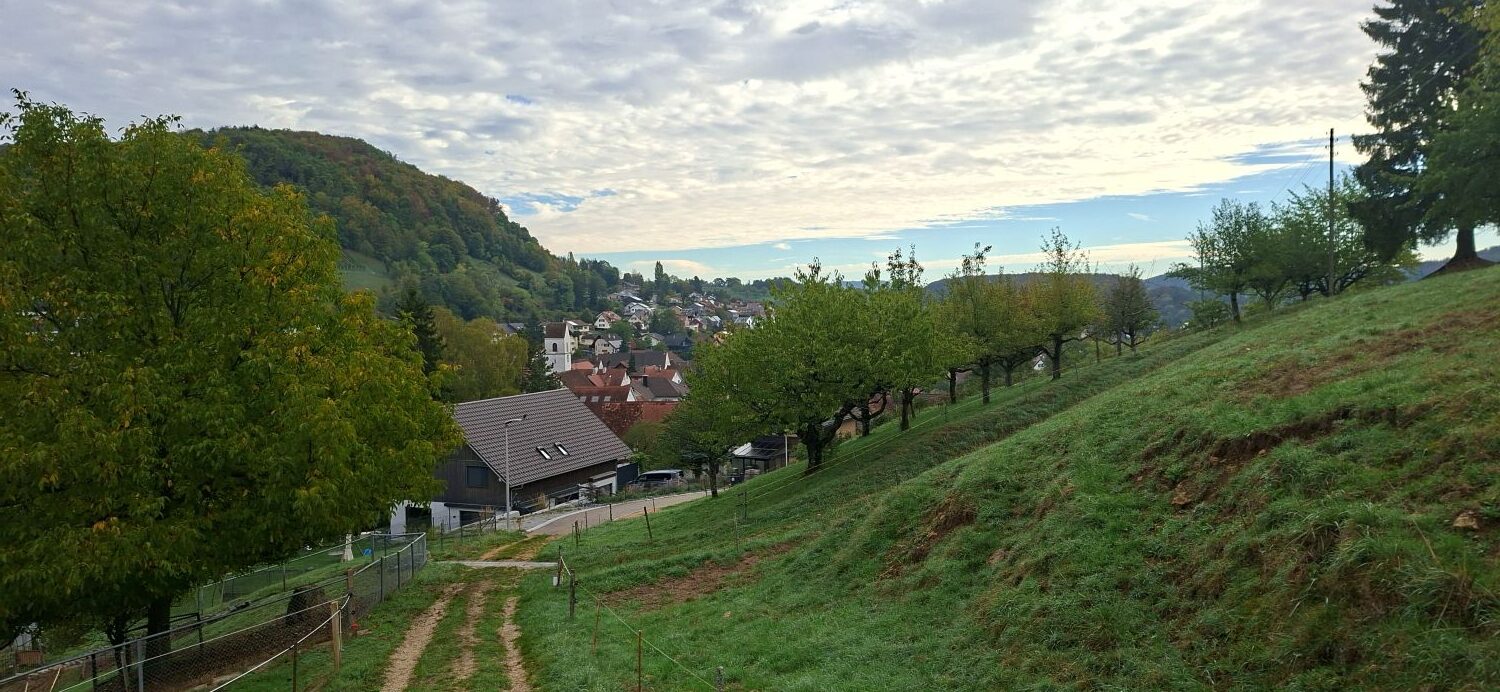
Büren
Büren is a common place name. Seven localities in Switzerland share this name. In the German federal state of North Rhine-Westphalia, a town called Büren also exists, and in the Netherlands, a town called Buren. Queen Juliana (1909–2004) also occasionally referred to herself (to remain anonymous) as Countess van Buren, just as King Willem-Alexander (1967) occasionally refers to himself as W. A. van Buren.
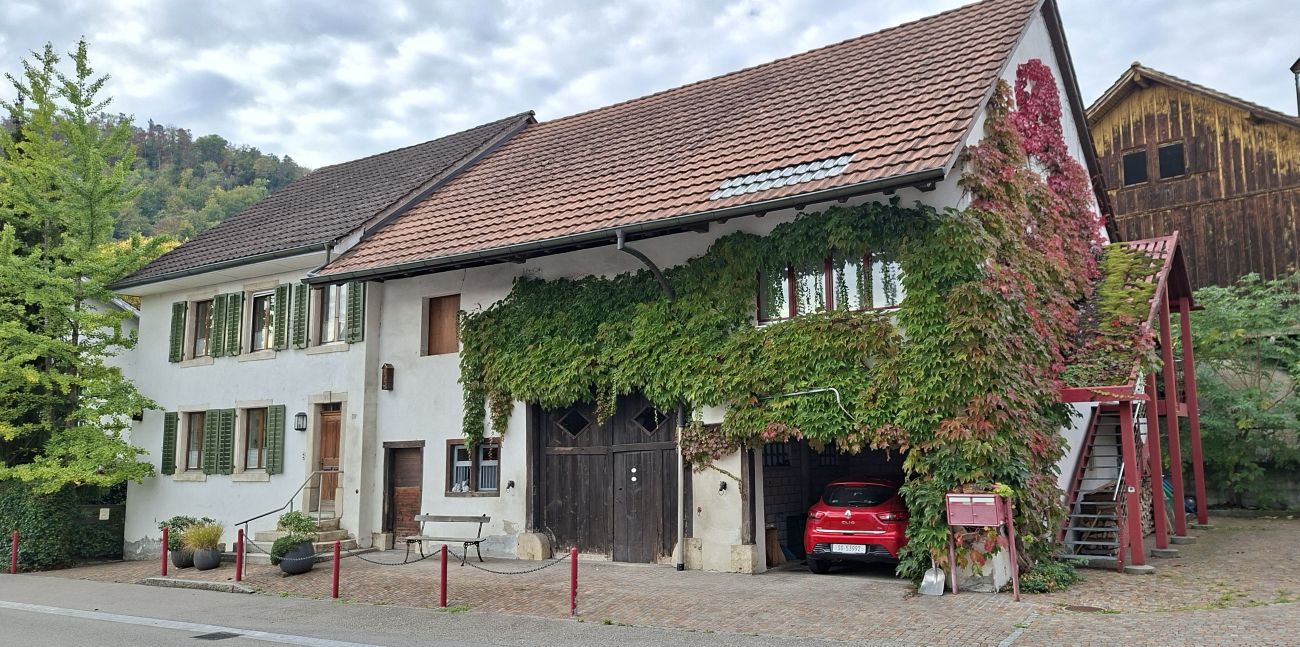
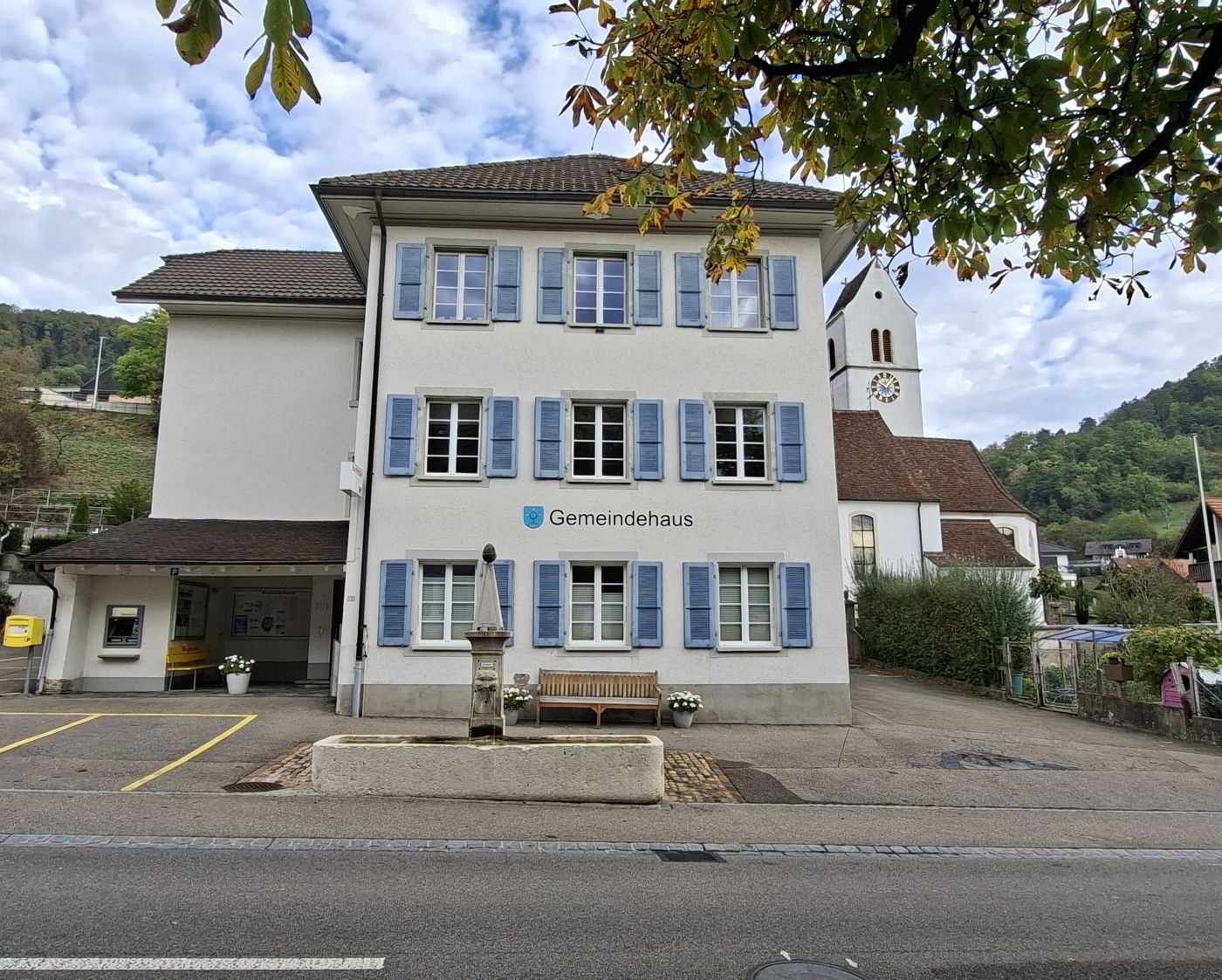
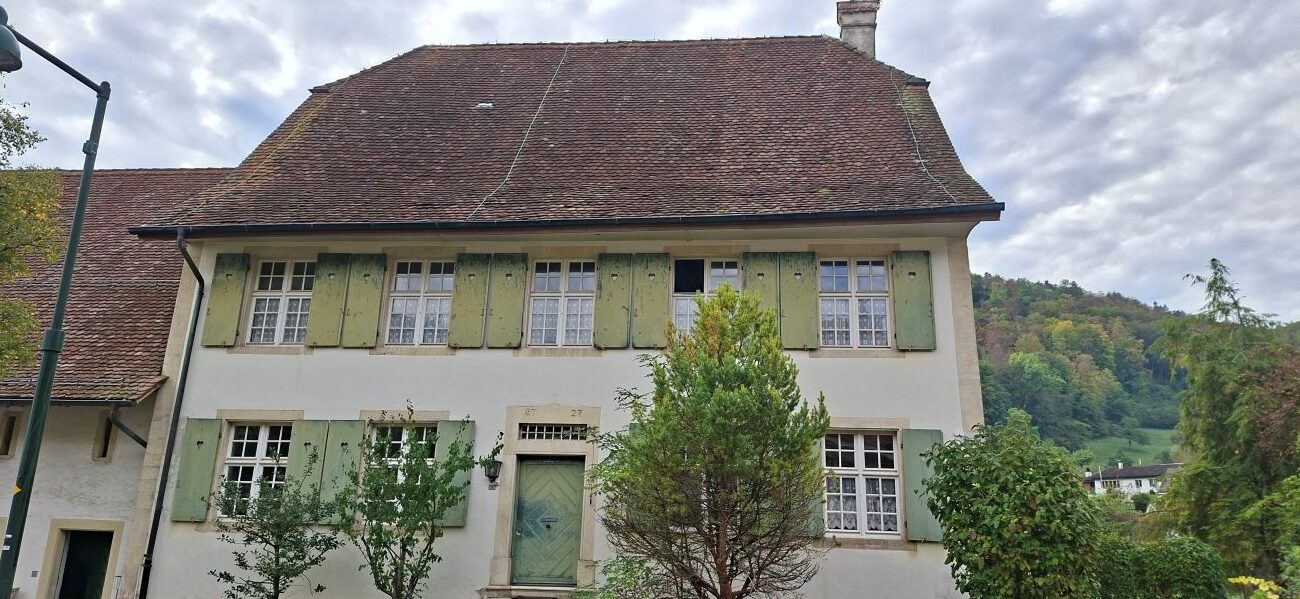
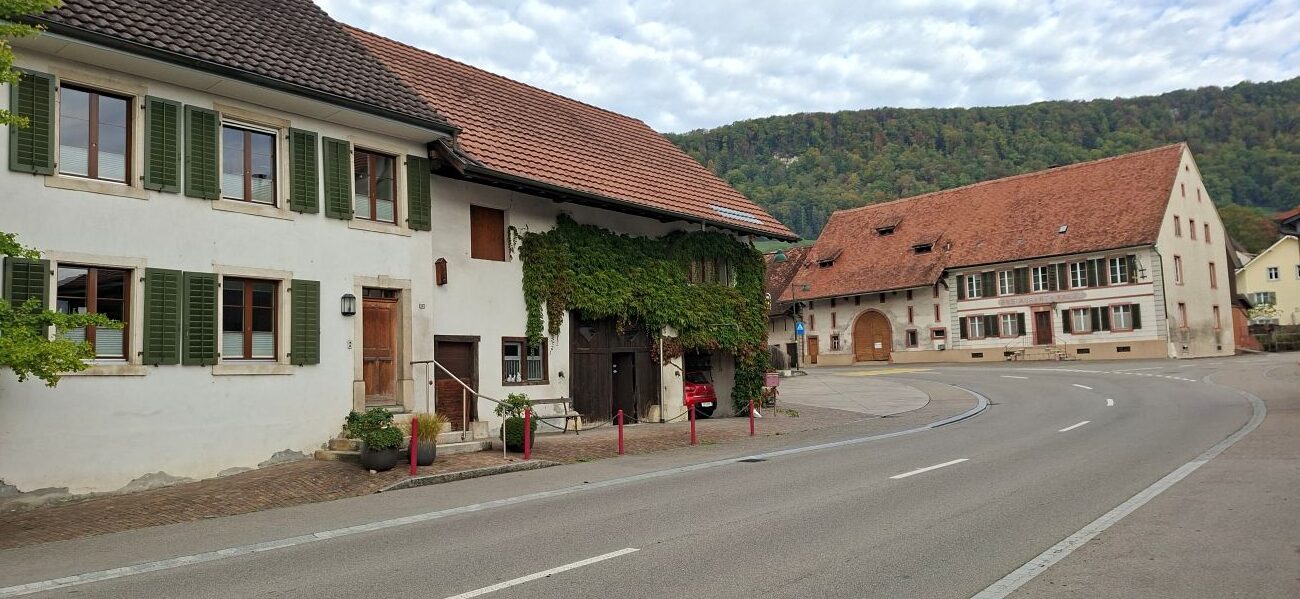
Feudal period
Büren (canton of Solothurn) once belonged to the Pfirt (Ferrette) domain and was subsequently divided, with part passing to the Diocese of Basel and part to the Dukes of Austria. In 1502, Solothurn acquired half of the village’s feudal rights. Austria’s rights lapsed after the Battle of Dornach in 1499. In 1522, Solothurn acquired the episcopal rights, along with the Thierstein domain. By then, Sternenfels Castle had already fallen into ruin.
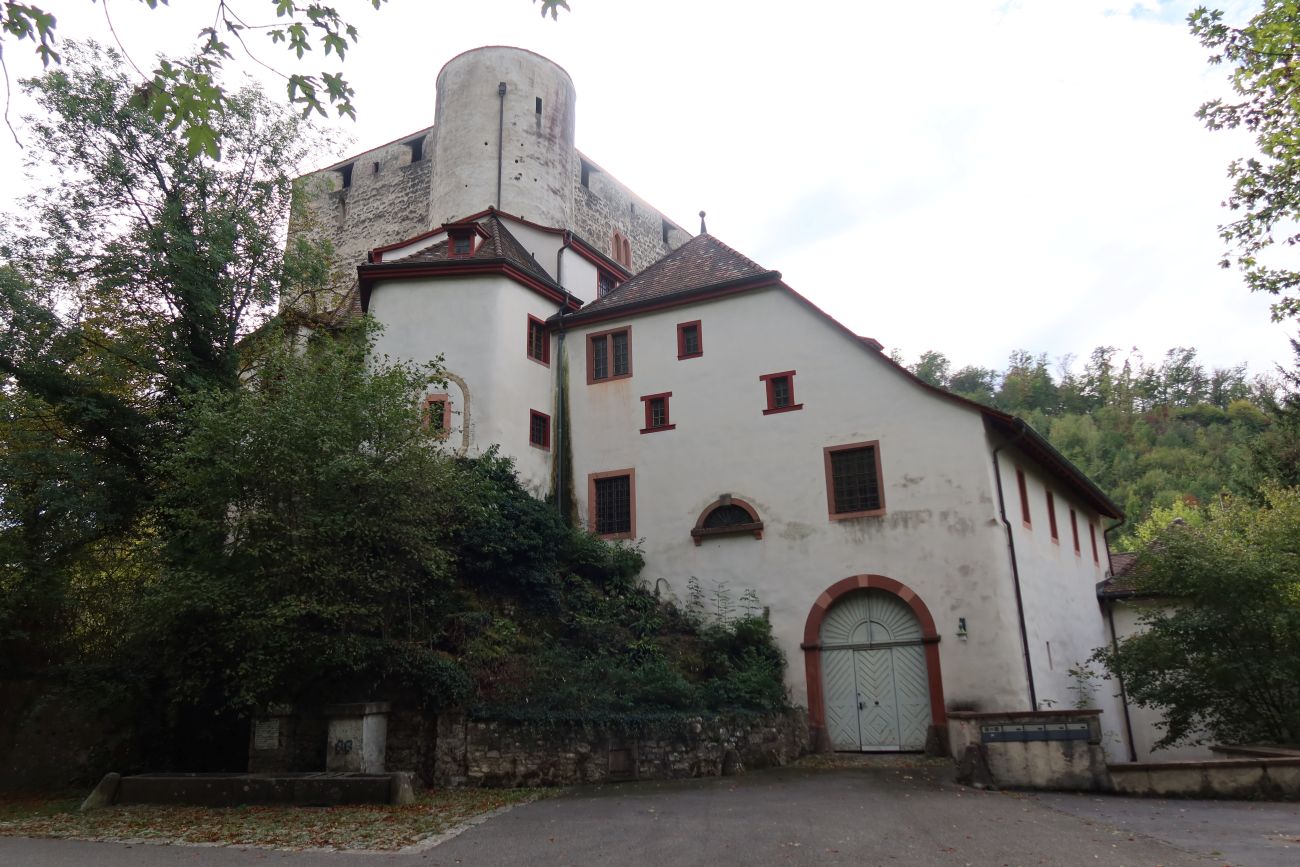
Angenstein Castle in Duggingen
Angenstein Castle is situated in Duggingen in the canton of Basel-Landschaft. The castle dates back to the 13th century. It was built either by the Counts of Pfirt (Ferrette in Alsace) or by the Lords of Münch from Münchenstein (canton of Basel-Landschaft), who were also bishops of the medieval Diocese of Basel.
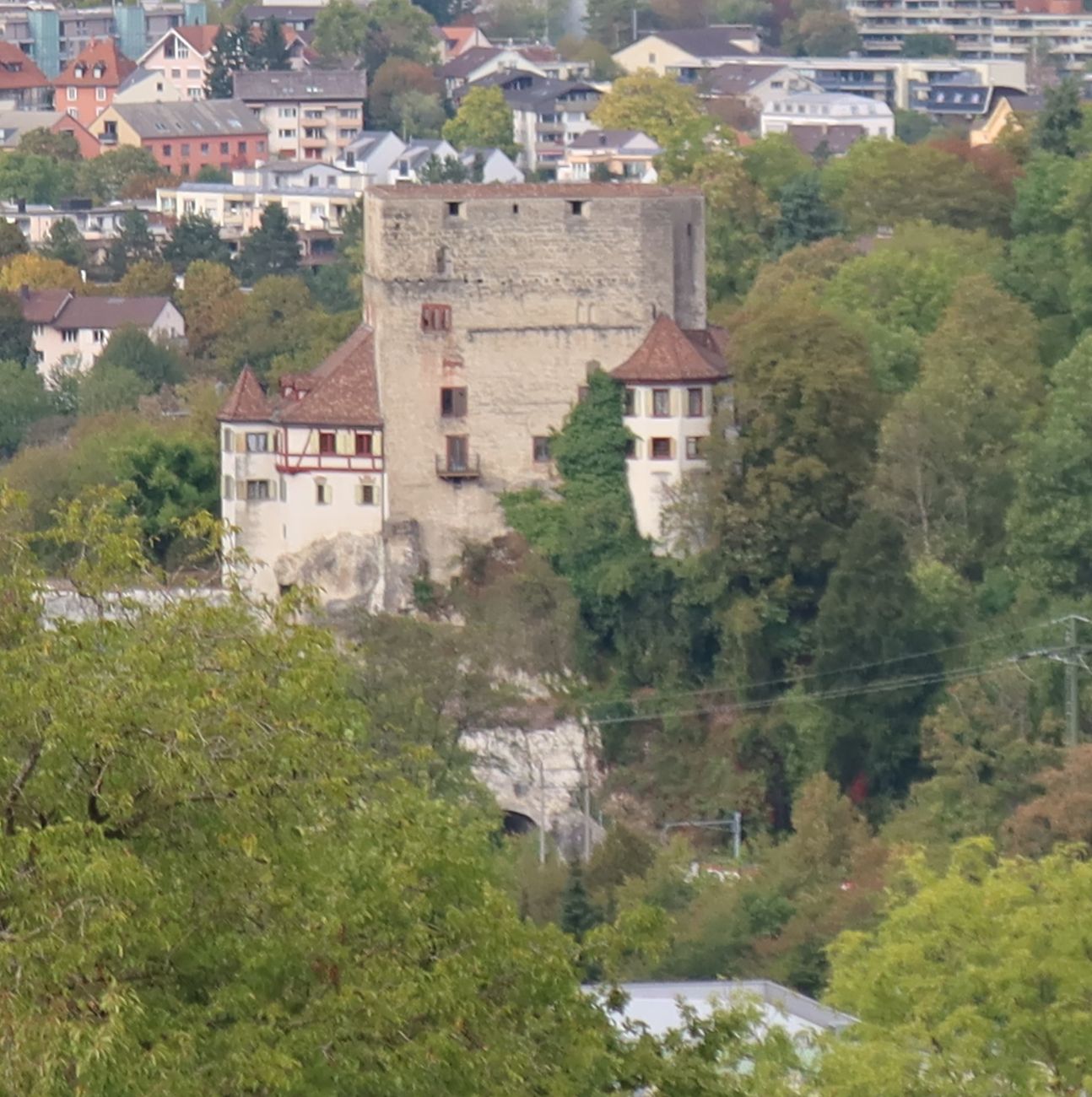
Earthquakes (1356) and fires destroyed the castle several times, but it was always rebuilt. Today it is privately owned.
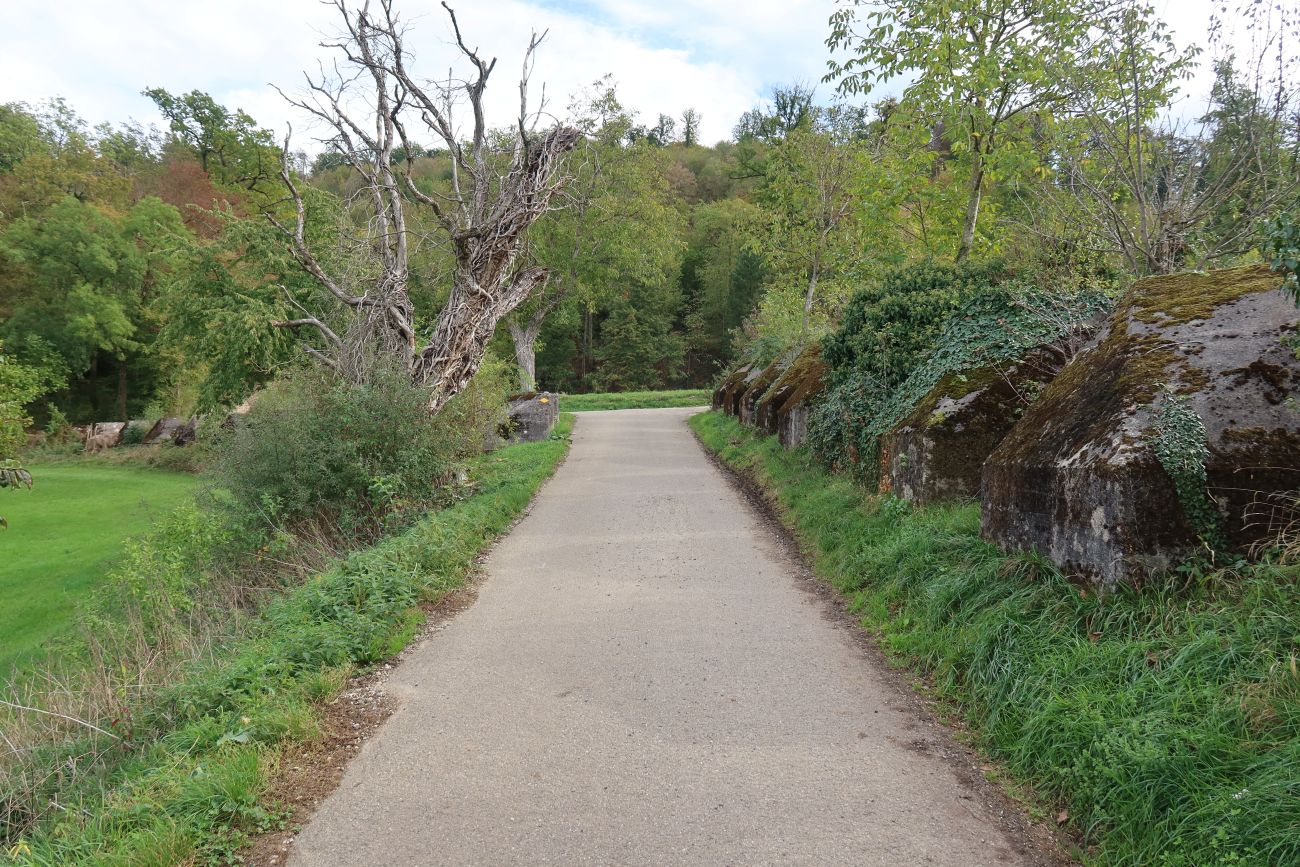
Owing to its strategic location at the entrance to the Laufental valley and on the River Birs, it served as an important military base during both World Wars (1914–1918 and 1939–1945). Several so-called ‘Toblerone’ anti-tank barriers in the immediate vicinity also serve as a reminder of this.
The Basel Section, the Angenstein Section and the SAC
Angenstein Castle also holds special significance for the Basel Section of the SAC. As is well known, members of the Basel Section founded the first SAC section on 17 April 1863. The Swiss Alpine Club was founded on 21 April 1863. In 1932, members of the Basel Section founded the Angenstein Section, which still exists under this name today and has around 1,300 members.
Conclusion
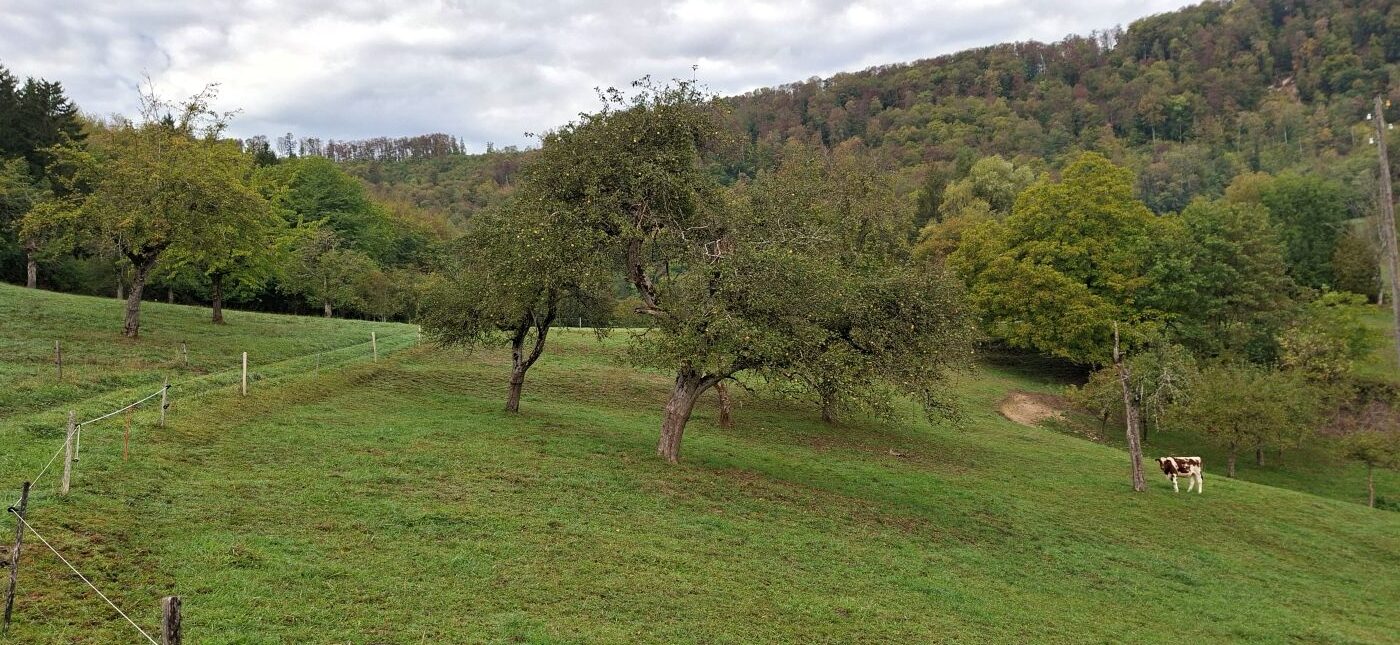
Even within a few kilometres, history, culture, and nature offer a varied and fascinating picture. Several villages and towns in the immediate vicinity that are well worth a visit have not yet been mentioned, including Seewen with its museum, as well as Hochwald and Gempen.