

Thun, Brahms, Thun-Panorama and the Middle Bridge in Basel
20 May 2025
Almost every village and town in Switzerland harbours cultural and historical surprises. Thun (canton of Bern) is no exception. The city not only gives its name to Lake Thun (Thunersee) but is also the subject of one of the best-preserved panoramic paintings in the world. In Switzerland, three other panoramas can be seen in Einsiedeln, Murten, and Lucerne.

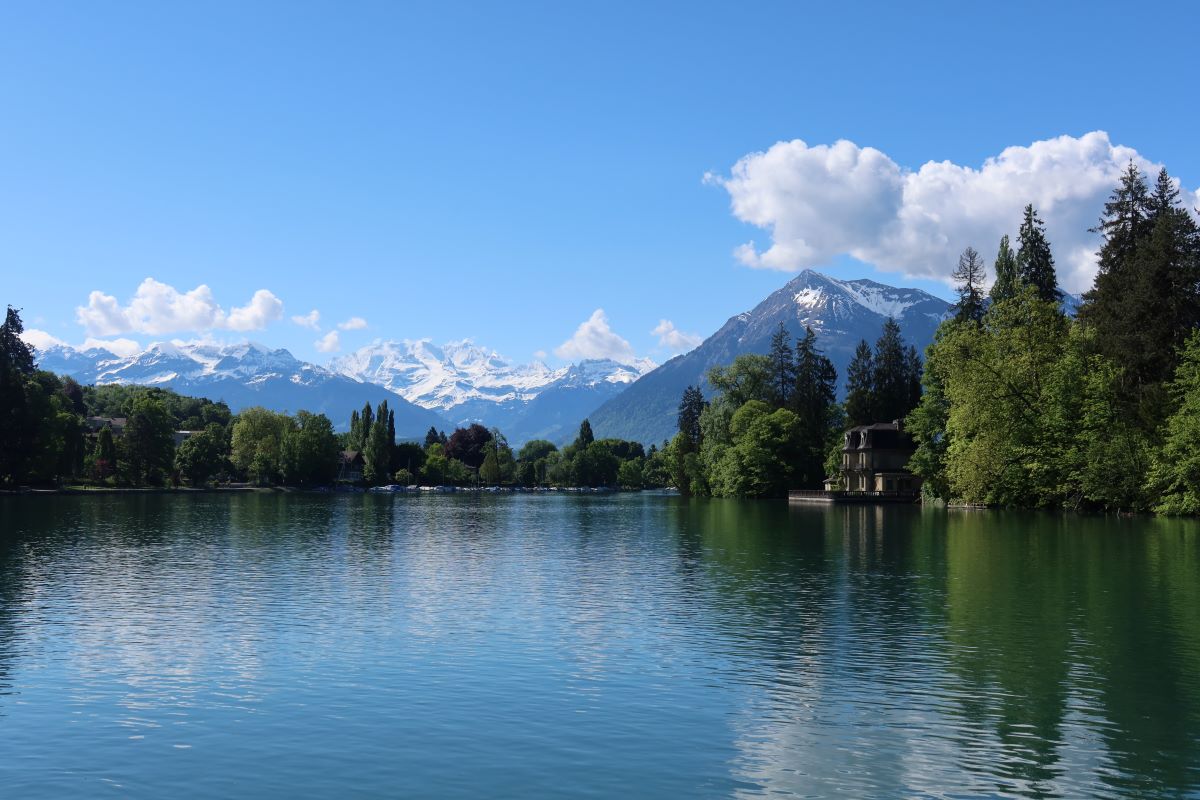
Marquard Wocher (1769-1830), the creator of the Thun panorama, lived along the River Aare, which flows through Lake Thun, Interlaken, and Lake Brienz.

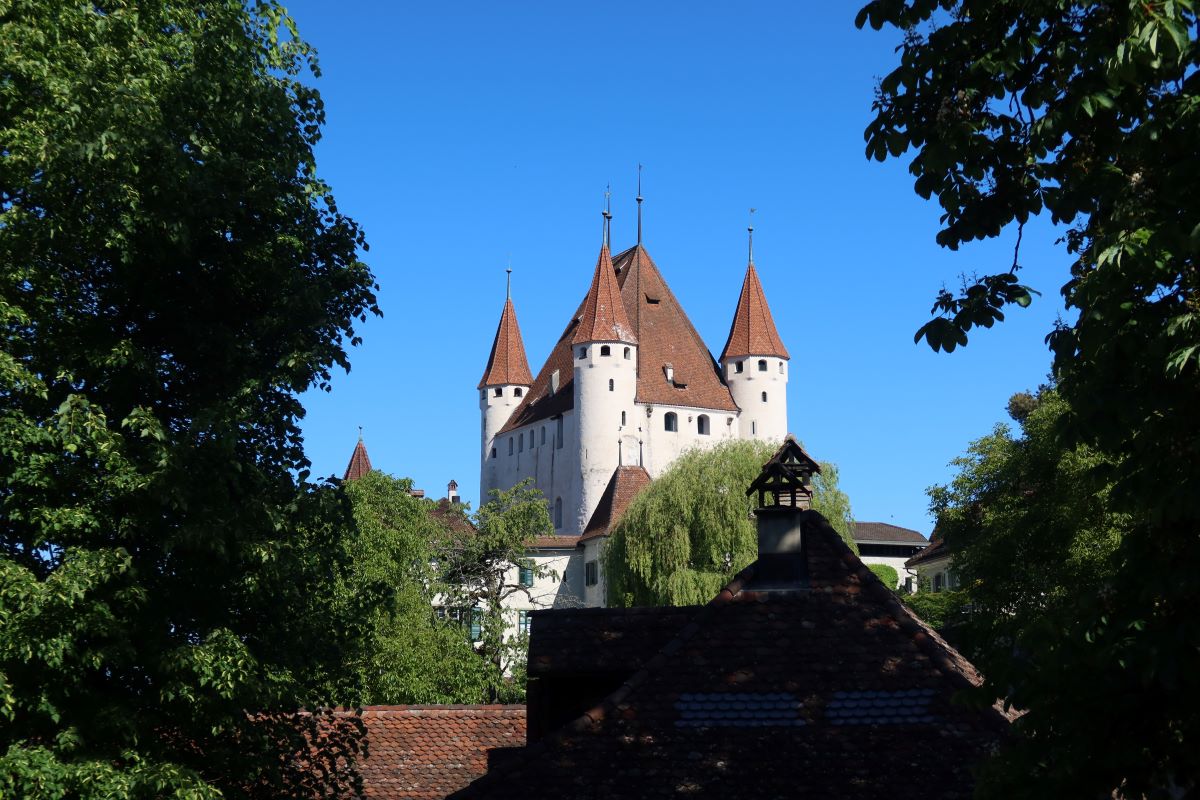
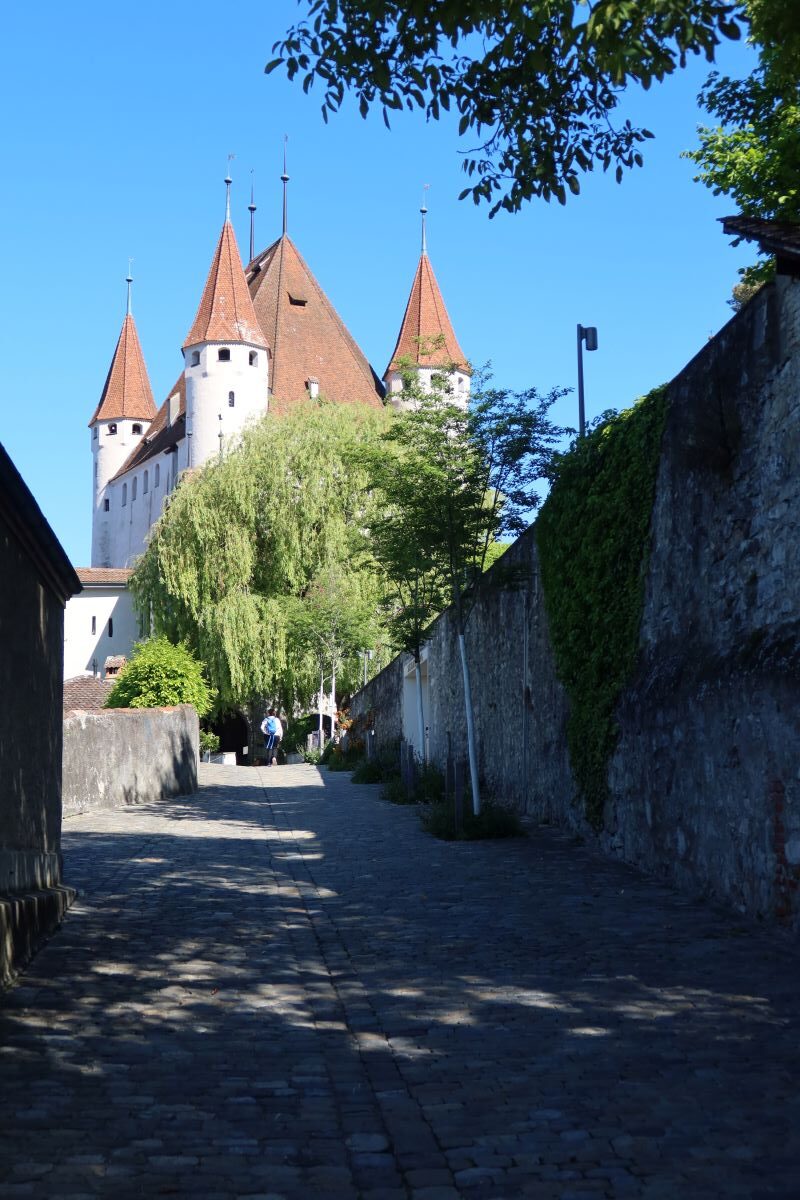
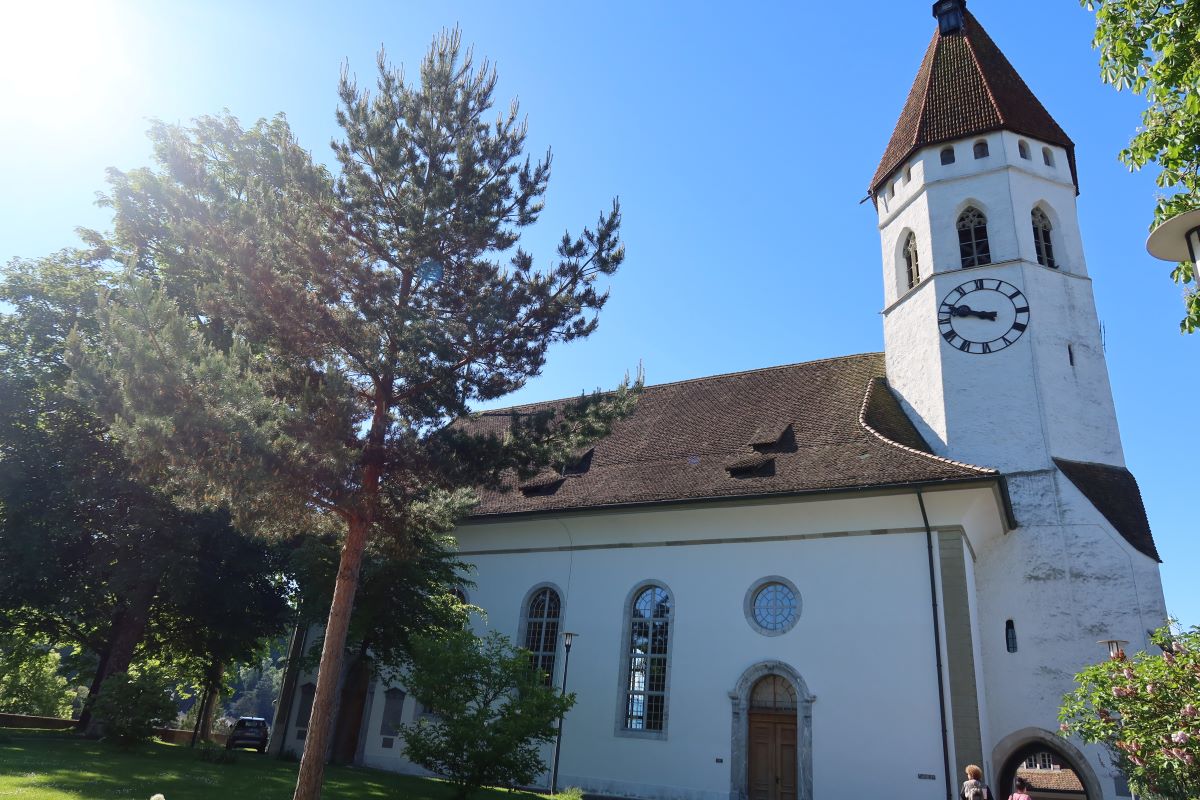
The Dukes of Zähringen also left their mark on Thun. They built the castle, the town church and the old town centre. This dynasty died out in 1218, whereupon their successors, the Counts of Kyburg, granted Thun its town charter in 1264. After a brief Habsburg interlude, Bern acquired the town in 1384.
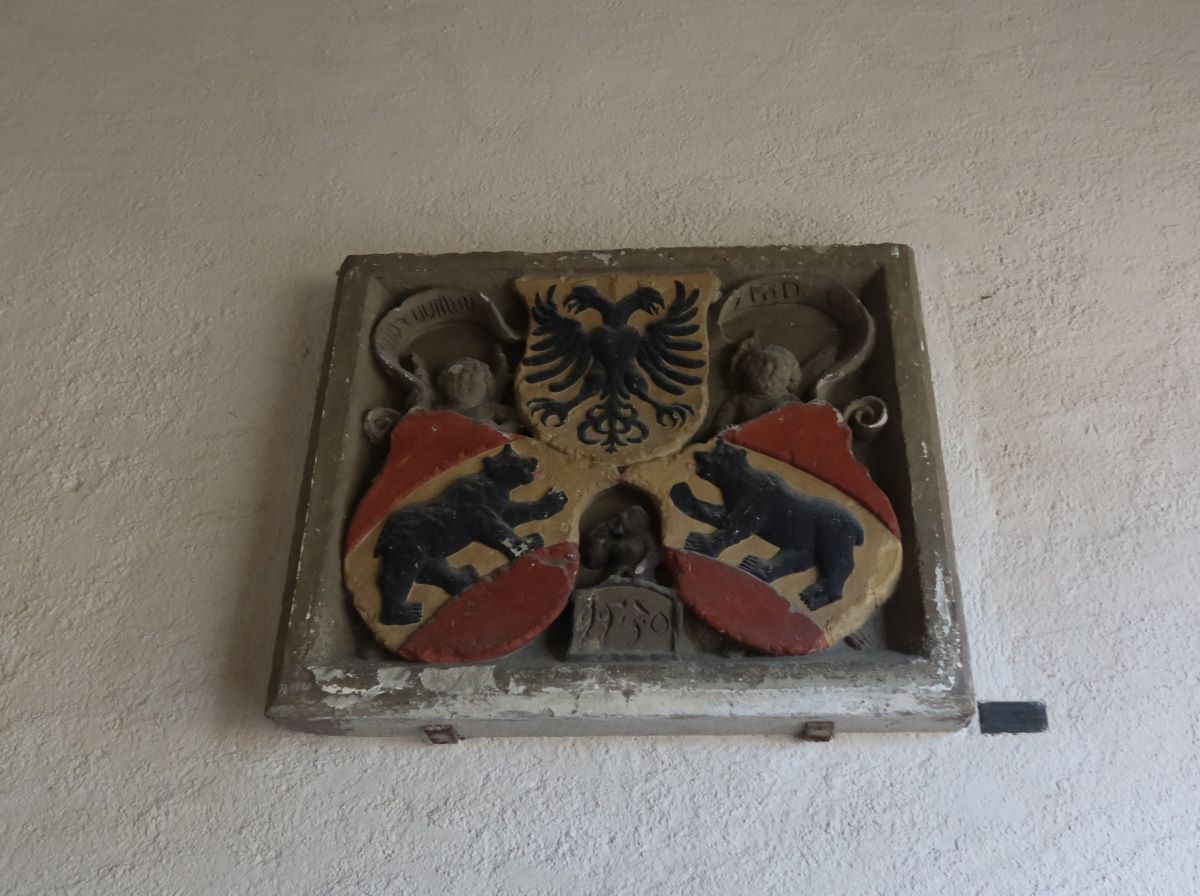
The Holy Roman Empire is also still present in Thun
Another local dynasty, the Barons of Thun, played a prominent role in other towns in the 13th century. Henry II of Thun was the Prince-Bishop of Basel from 1216 until his death in 1238, succeeding Walter von Rötteln. Henry II built the Middle Bridge in Basel in 1225 (only replaced by the current bridge in 1905!).

Basel, Rheinsprung 1, Relief from 1914. Bishop Heinrich von Thun (with staff) and the construction of the bridge.
Thun developed into a tourist magnet in the 19th century. The Eiger, Mönch, and Jungfrau, along with the lake’s location, beautiful nature, hiking opportunities, and the construction of the railway network, attract many visitors at all times of the year. Marquard Wocher knew Thun as a small town with a few thousand inhabitants. Two hundred years later, the city has almost 44,000 inhabitants!
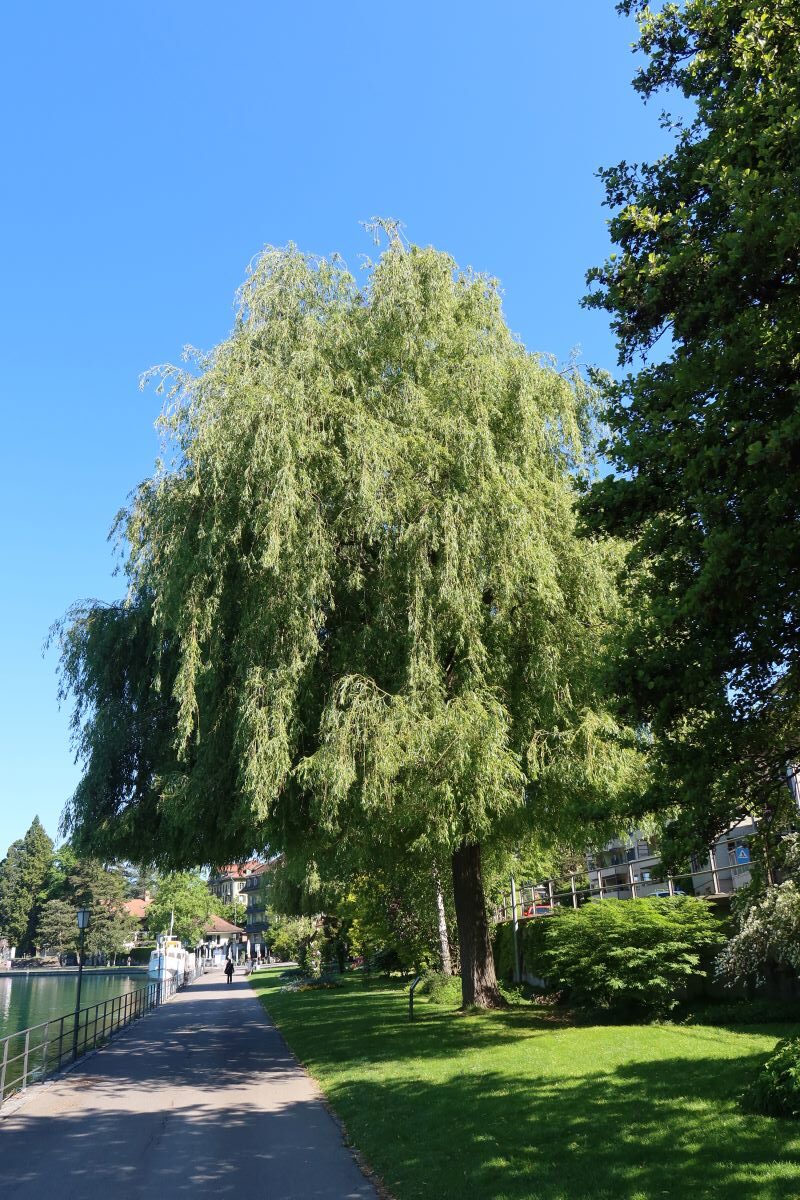

Johann Brahms’ monument and tree, where he spent several summer months in Thun
(Source and further information: City of Thun)

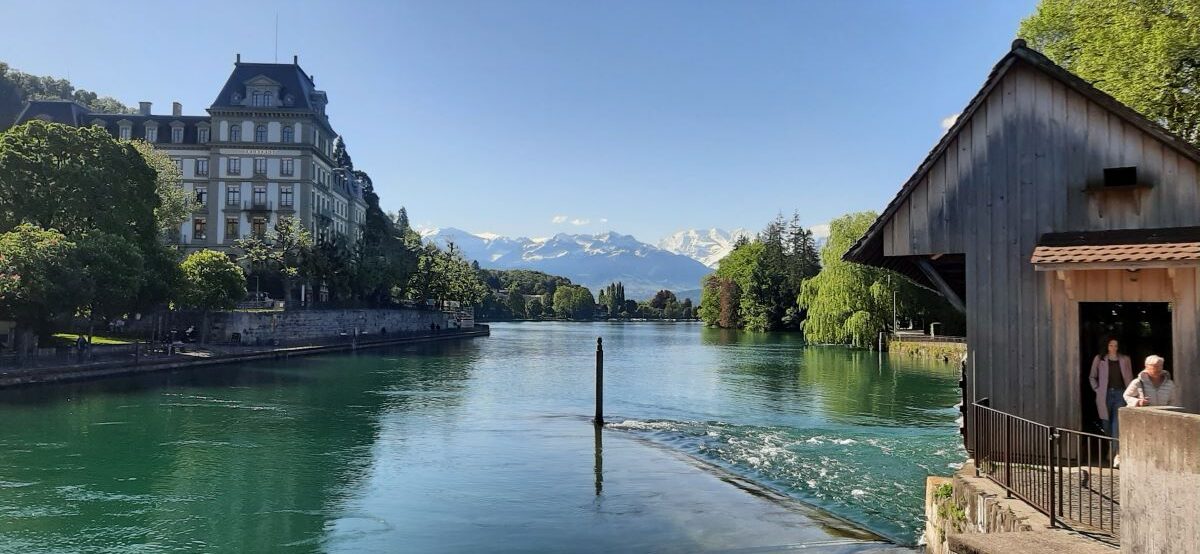







Schadau Castle

Complex of the former Carthusian monastery
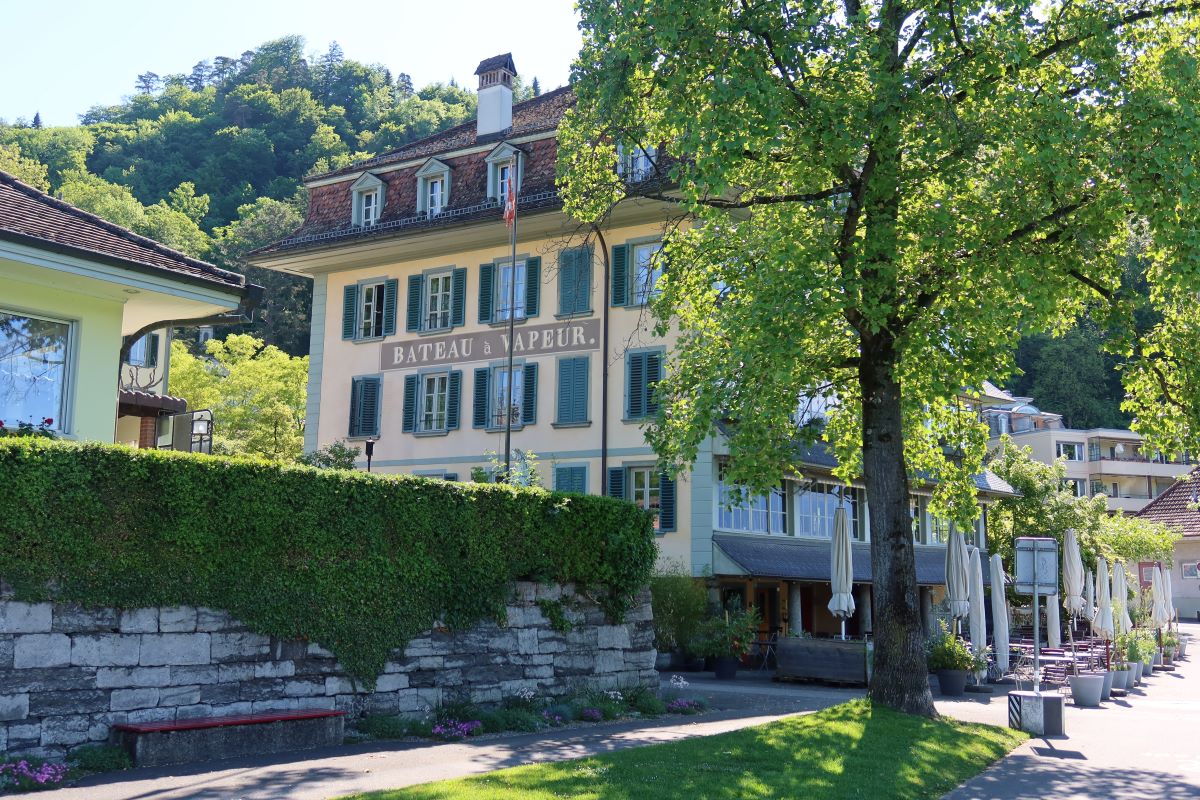
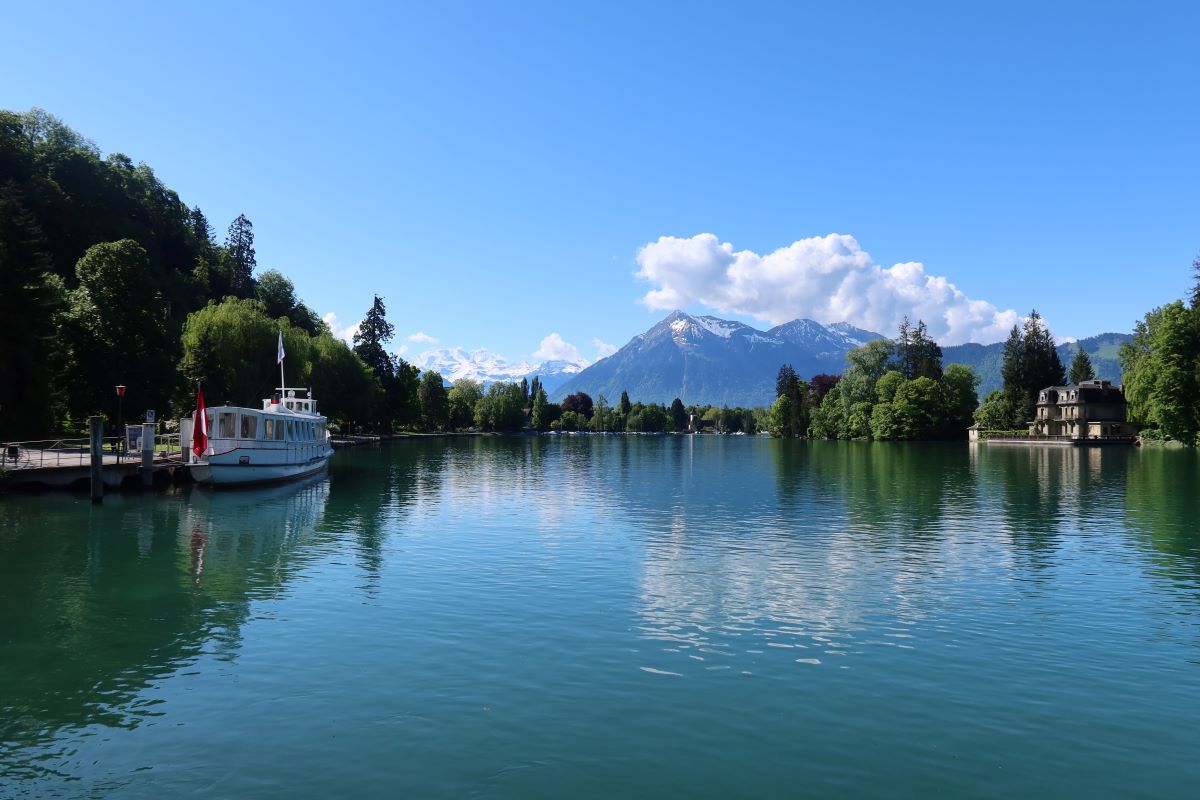
Le bateau à vapeur

