

Romanesque Churches, Castles and Suspension Bridges along Lake Thun
19 May 2025
Not only do the Eiger, Mönch and Jungfrau look out over Lake Thun (Thunersee), but also twelve Romanesque churches and five castles. In addition, the Sirius observatory looks upwards into the infinite universe and its countless stars. The St. Beatus Caves will never have this view! Lake Thun owes its name to the town of Thun.

Thun
On the other side of the lake, Interlaken (named after the former monastery Inter lacus) separates it from Lake Brienz. However, the River Aare connects the two lakes. Lake Thun was formed when the Aare glacier melted around 12,000 years ago.
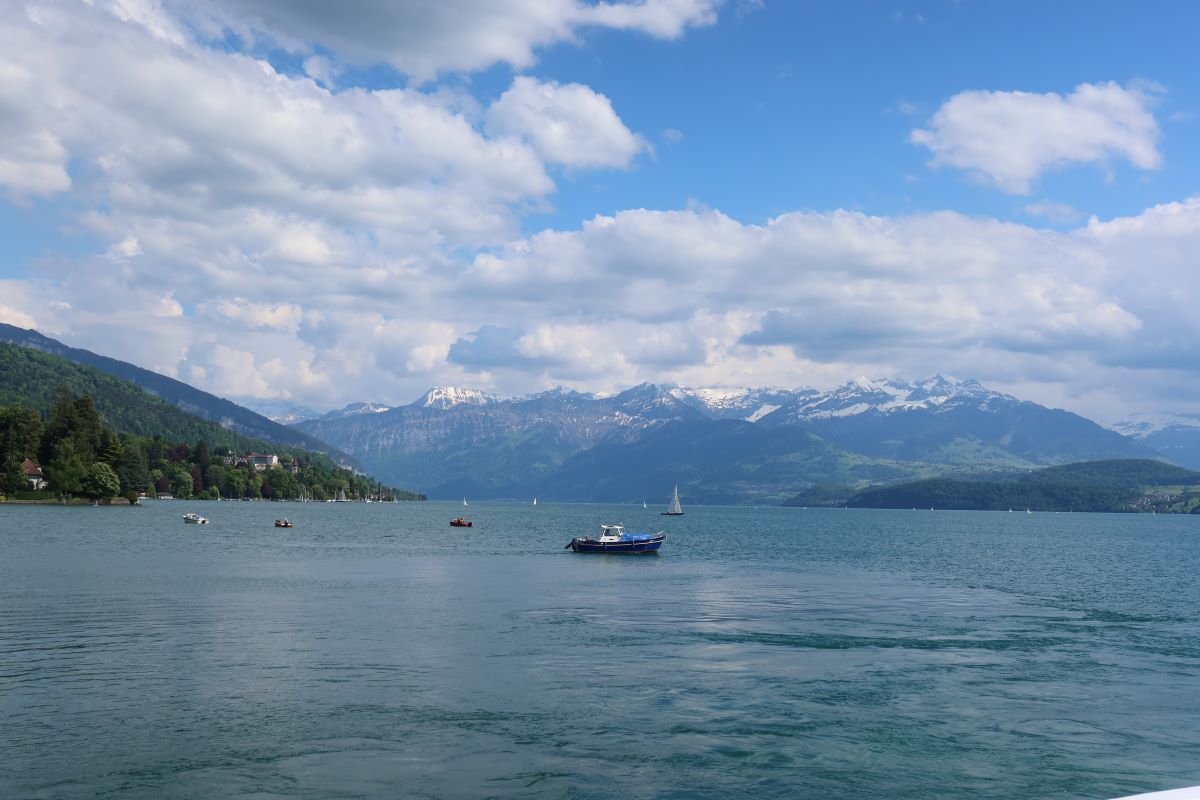
This glacier was hundreds of metres thick. The melting also caused the displacement of earth and stone, ultimately separating Lake Brienz and Lake Thun near Interlaken. Anyone who sees the vineyards on the sunny slopes today cannot imagine that time.
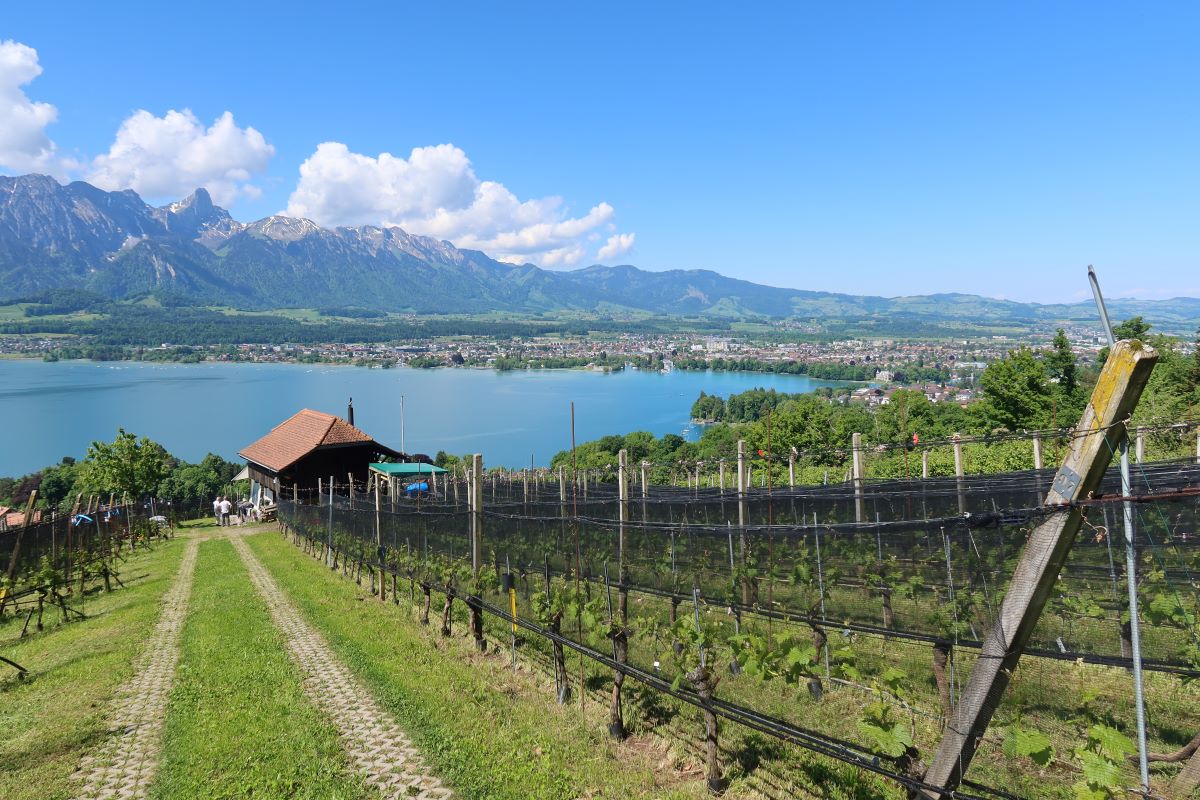
Lake Thun was first mentioned around 660 as lacus Dunensis. The area was already inhabited before the Celts colonised it. After the Celts, Romans, Alemanni, Burgundians, and Franks, came the dukes of Zähringen, the counts of Kyburg and Habsburg. Bern ruled from 1384 onwards.
Twelve Romanesque churches
The River Aare and Lake Thun have long been the cultural border between the French-speaking diocese of Lausanne, the Kingdom of Burgundy (888-1032), and the mighty Abbey of Cluny, on one side, and the German-speaking bishopric of Constance and the Abbey of St. Gall, on the other.

Sigriswil
The commissioner of these 12 churches is unknown. However, there are indications that King Rudolf II of Burgundy commissioned them in the Romanesque-Lombard style. Twelve is, of course, no coincidence; it refers to the twelve apostles.
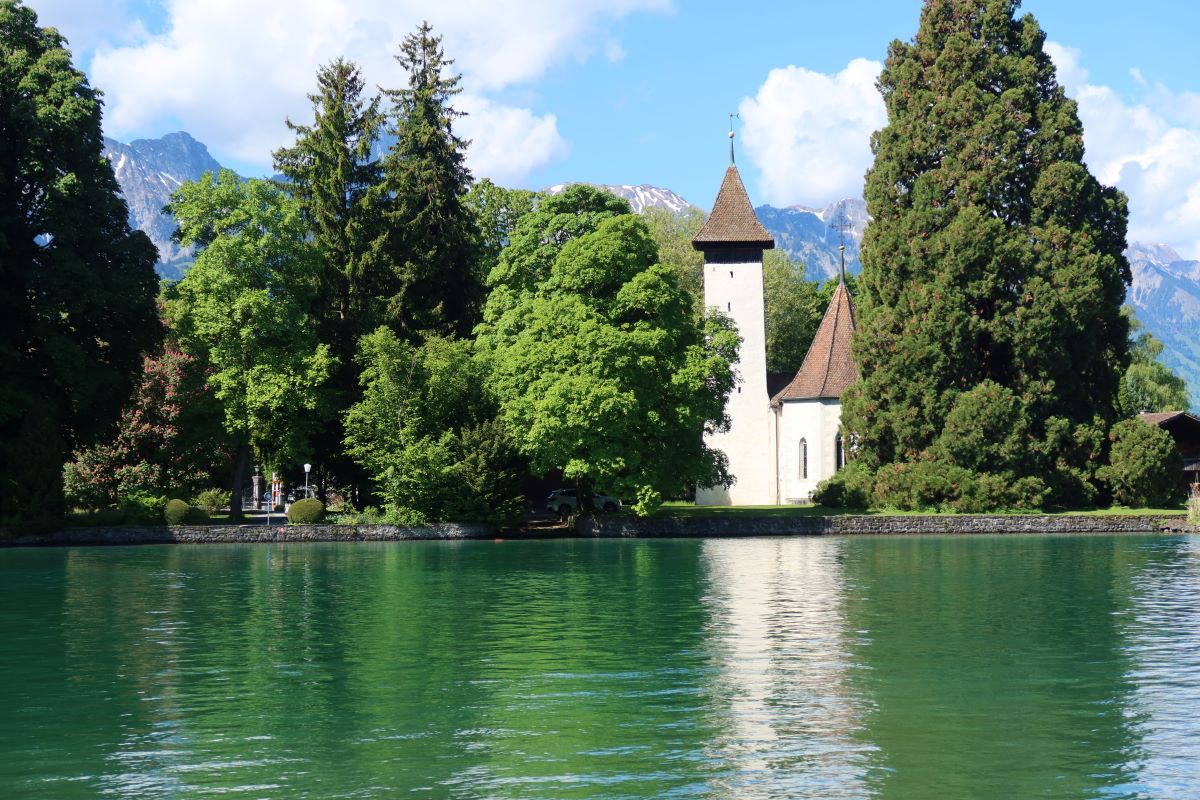
Thun
They surrounded the mother church in Einigen. Most churches still retain their authentic architectural style. The church in Uttigen was destroyed by fire in 1536. For this reason, there are twelve, not thirteen, churches. The year 1536 is also no coincidence, as it is the time of the Reformation in the canton of Bern!
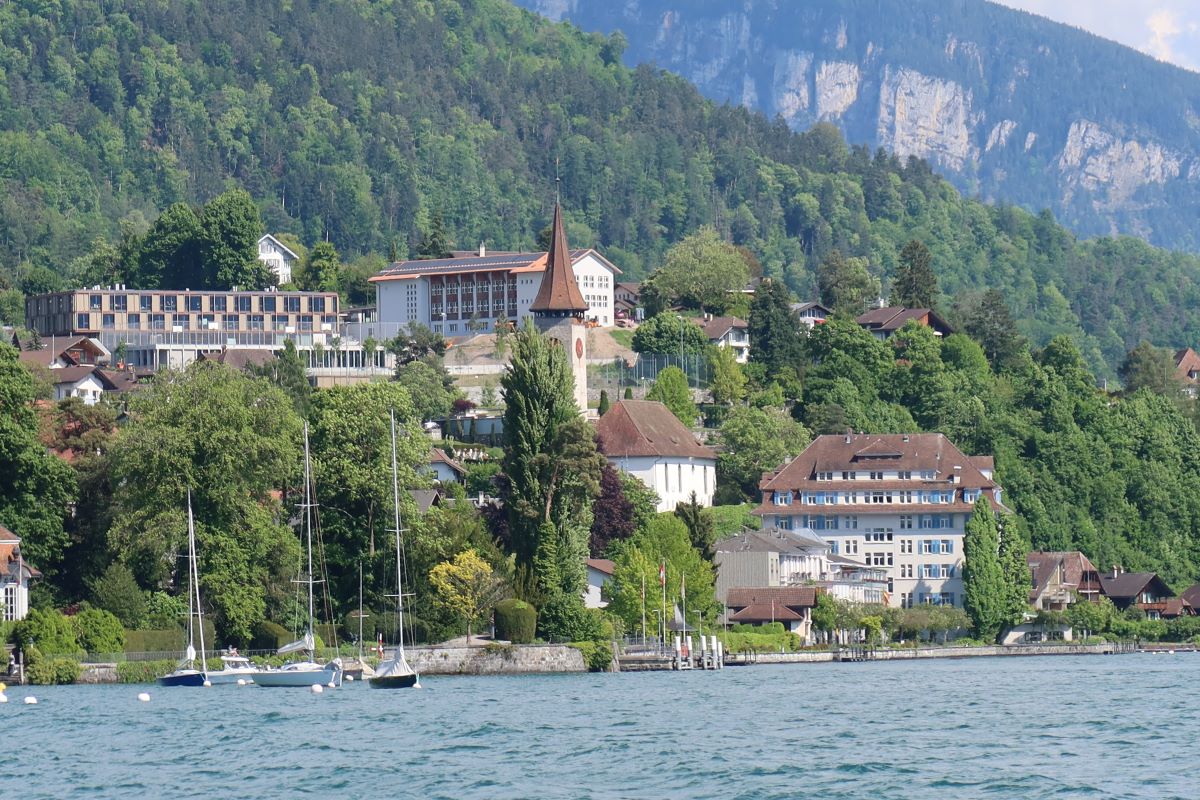
Hilterfingen
The twelve Romanesque churches are located in Thun, Hilterfingen, Sigriswil, Leissigen, Frutigen, Aeschi, Wimmis, Spiez, Einigen, Amsoldingen, Thierachern and Scherzligen.
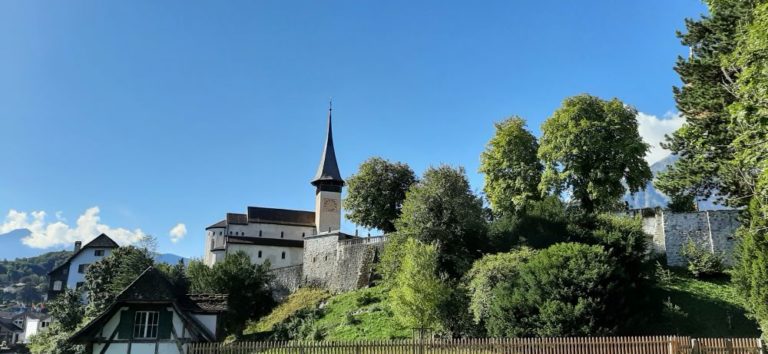
Spiez
The five castles
Thun Castle, Oberhofen Castle, Spiez Castle, Hünegg Castle and Schadau Castle stand along the lake. The history of these monuments dates back to the Middle Ages and the 19th century.
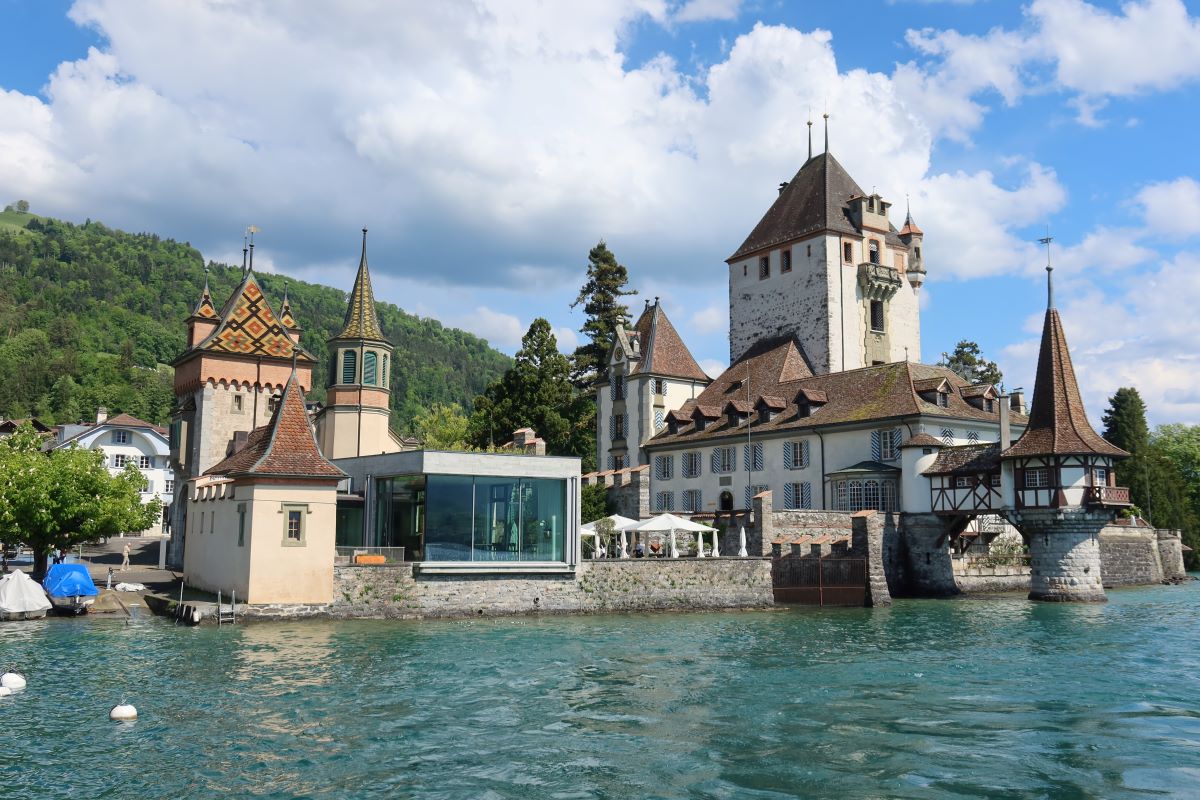
Oberhofen Castle
They represent different eras and give a good impression of life in those times. Thun Castle, Oberhofen Castle, Spiez Castle and Hünegg Castle house a museum, while Schadau Castle is home to a hotel and restaurant
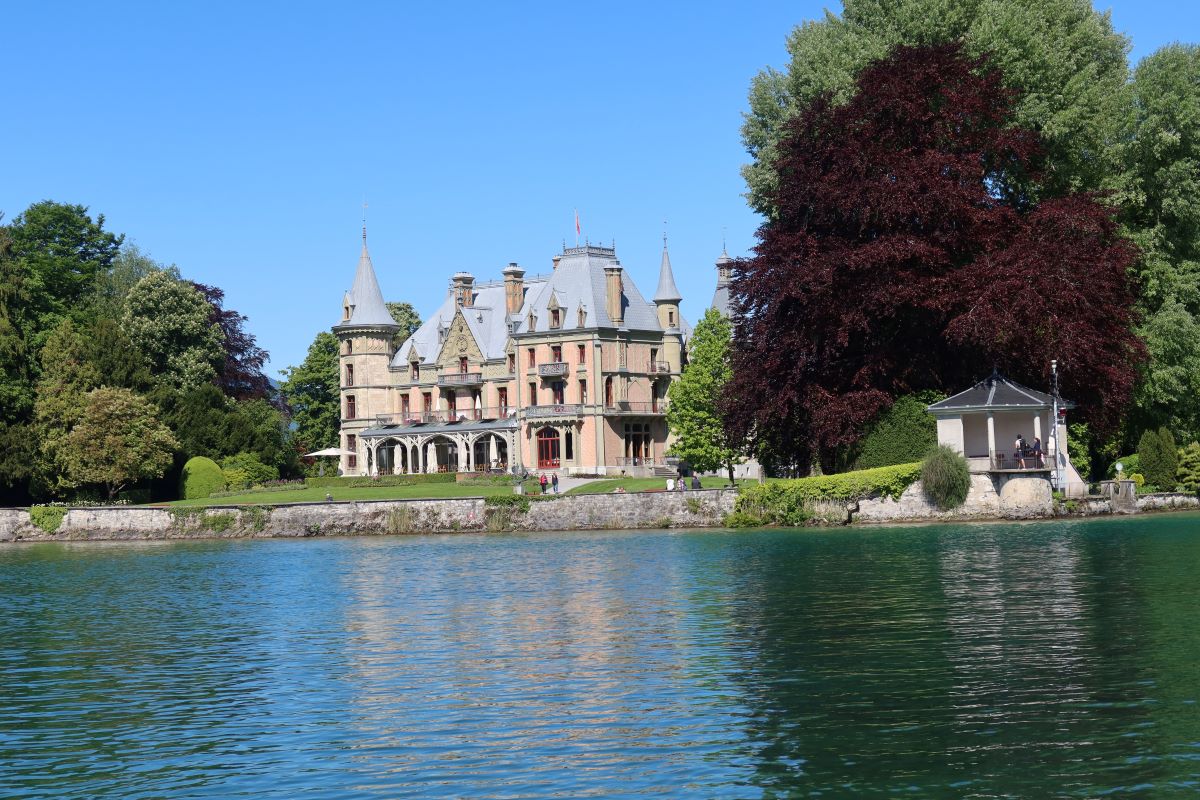
Schadau Castle
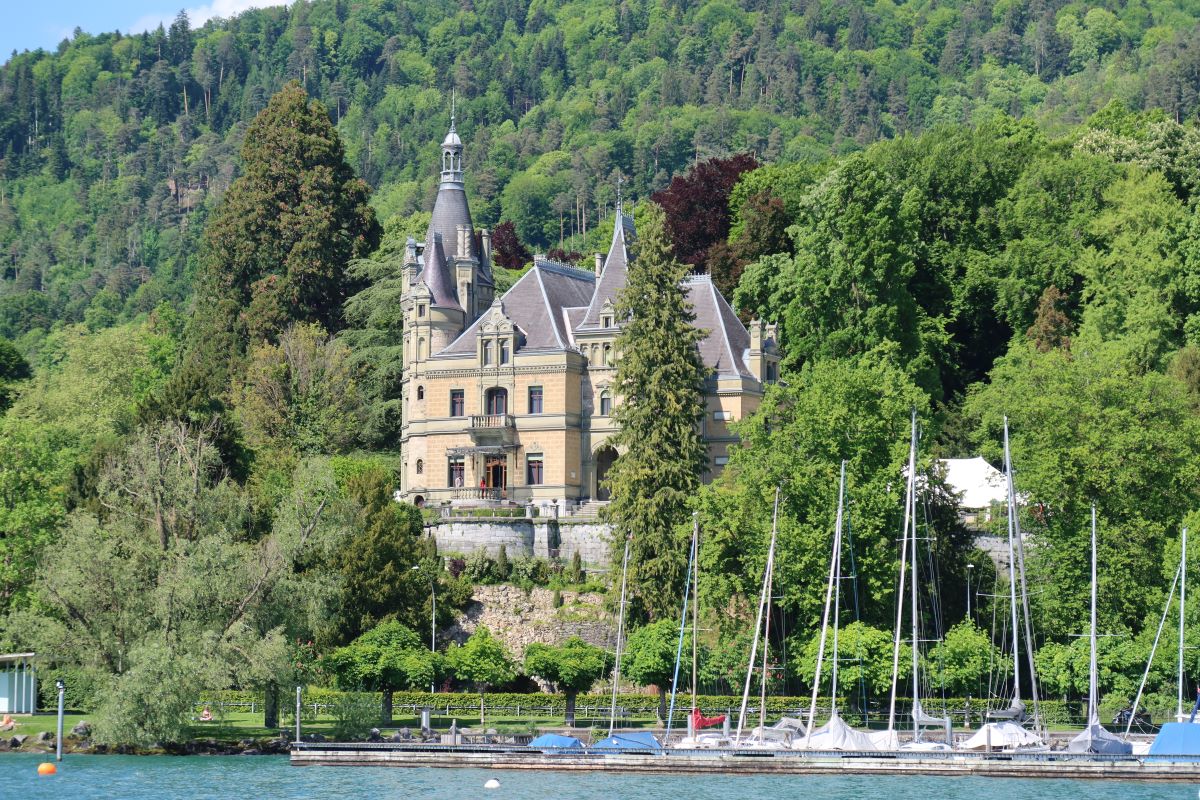
Hünegg Castle
The surrounding area
Those who climb the mountains will be rewarded with breathtaking views, flower-filled meadows, dense forests, and one of Switzerland’s longest suspension bridges.
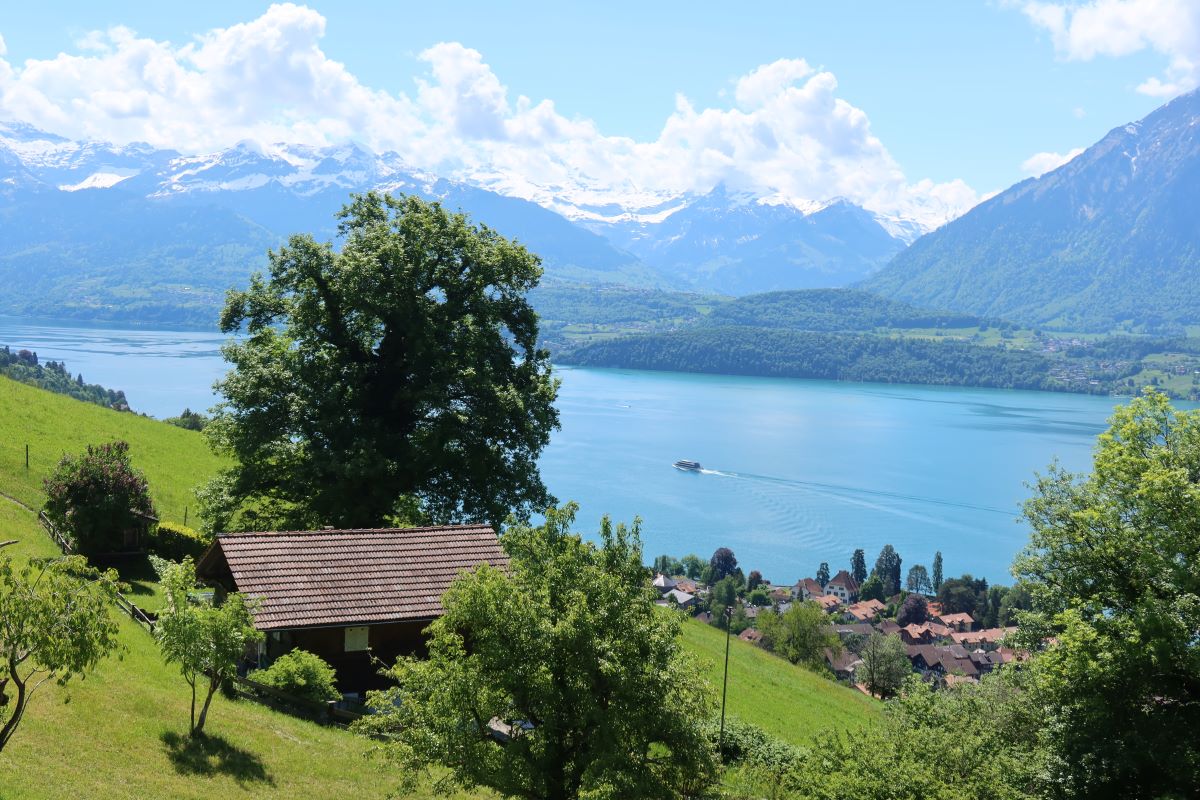

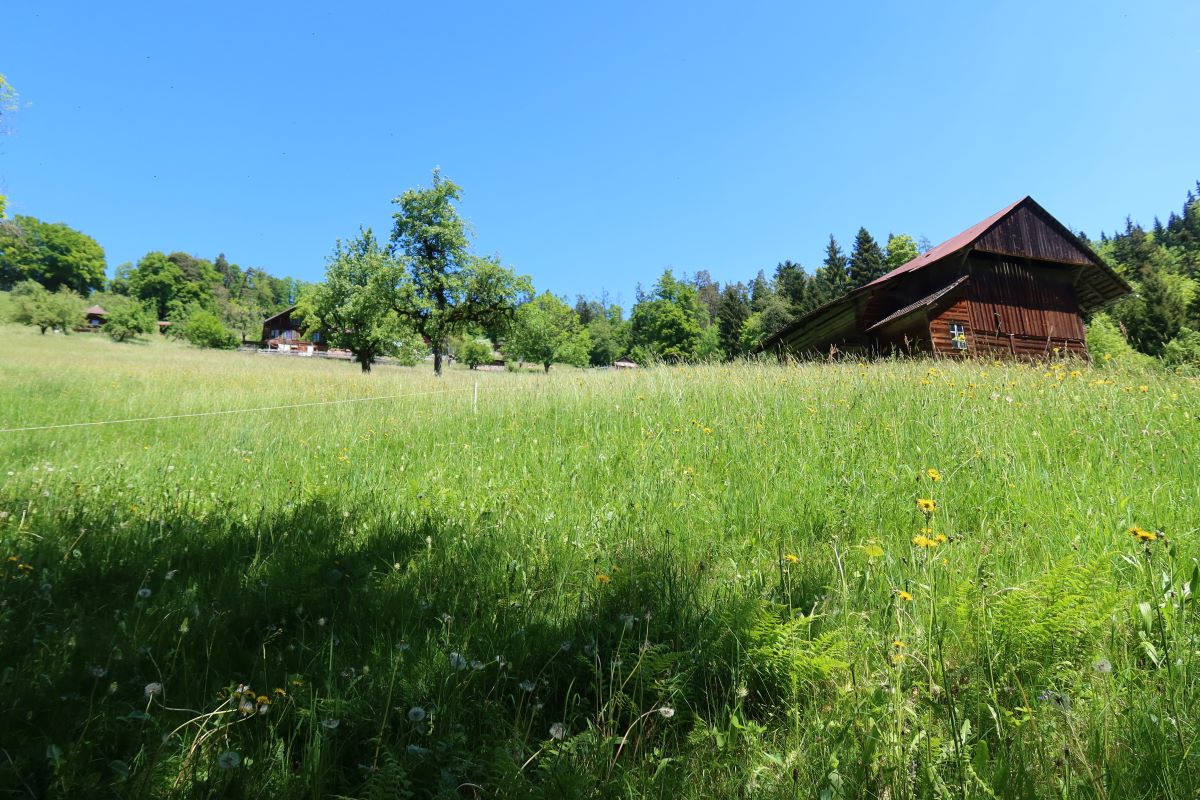
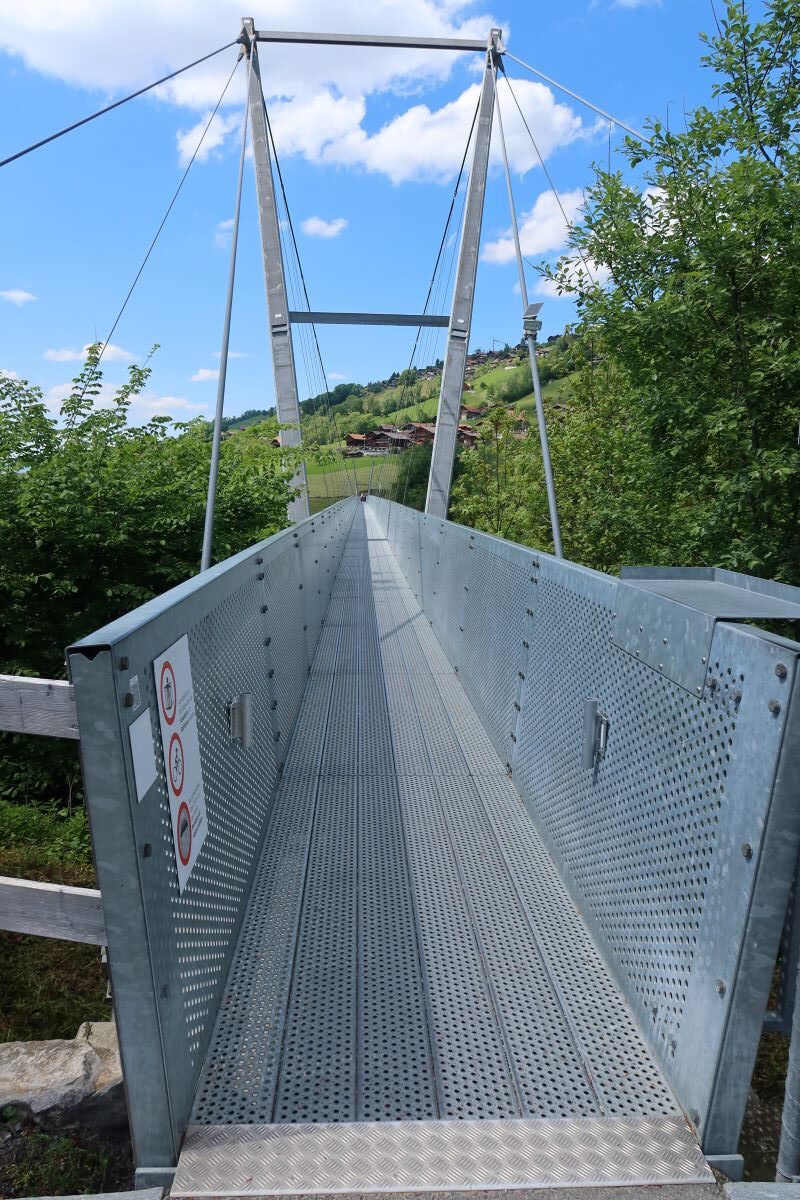
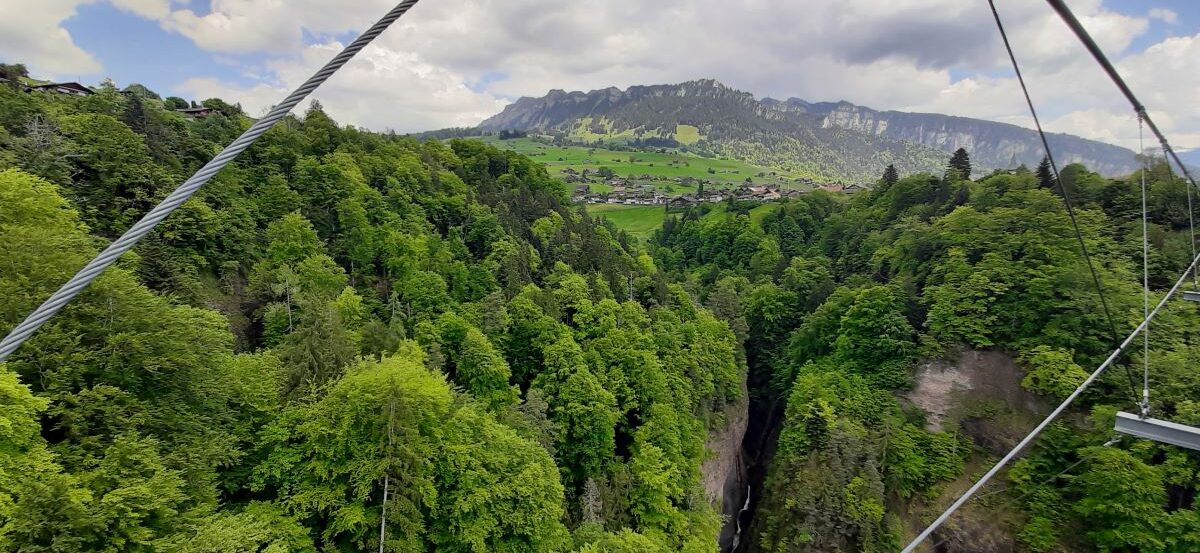
The 340-metre-long and 182-metre-high suspension bridge near Sigriswil spans the Gummischlucht gorge. Two other suspension bridges, Leissigen (144 metres long) and Beatenberg (80 metres long), rightly give this route its name Brückenweg.
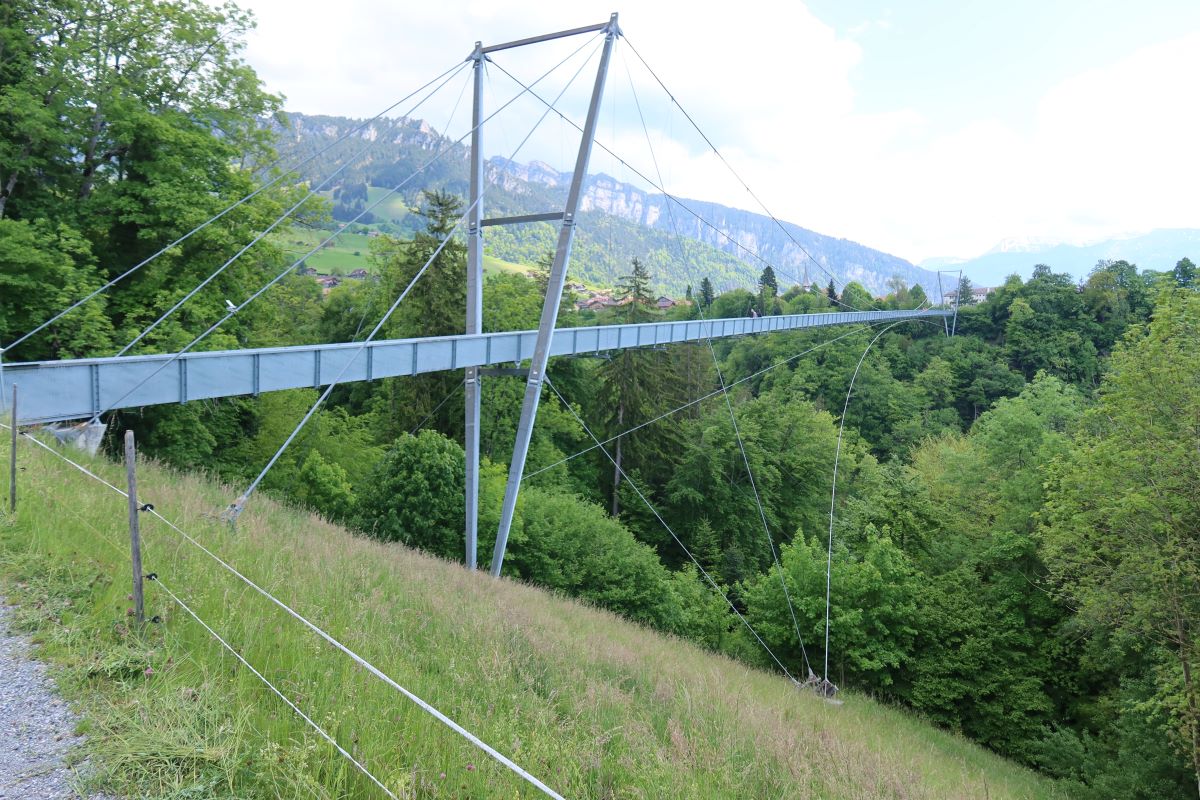
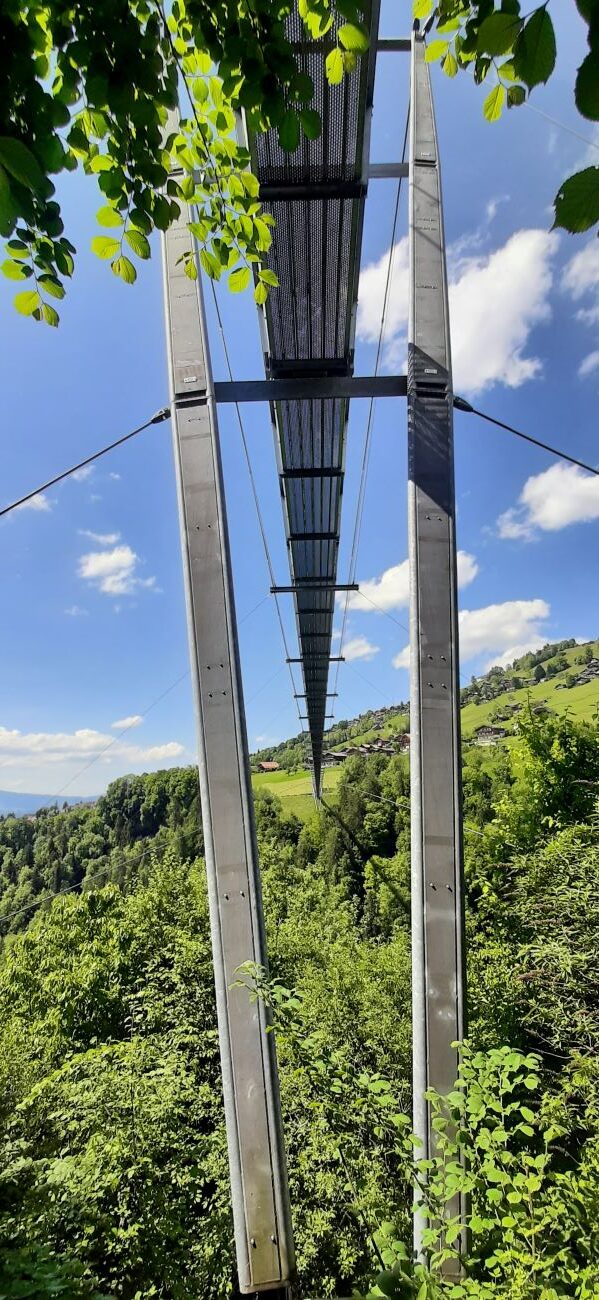
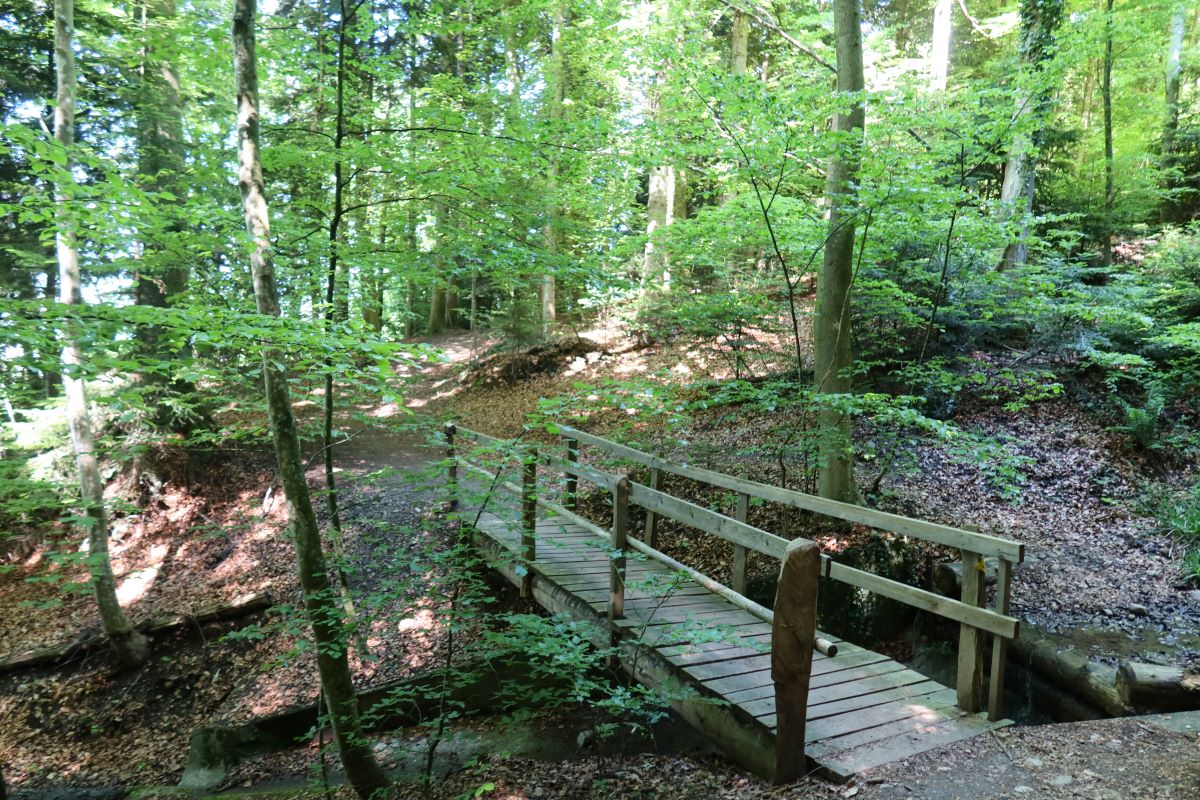
A considerably smaller bridge on the Brückenweg
The Swiss Alpine Club
The Swiss Alpine Club (Schweizer Alpen Club, SAC / Club Alpin Suisse, CAS) regularly organises hiking tours in this area and elsewhere in the country.
Although the name suggests otherwise, the SAC not only organises ski tours, mountain climbing, and other sports in the high mountains and the Alps but also (walking) activities in other regions.
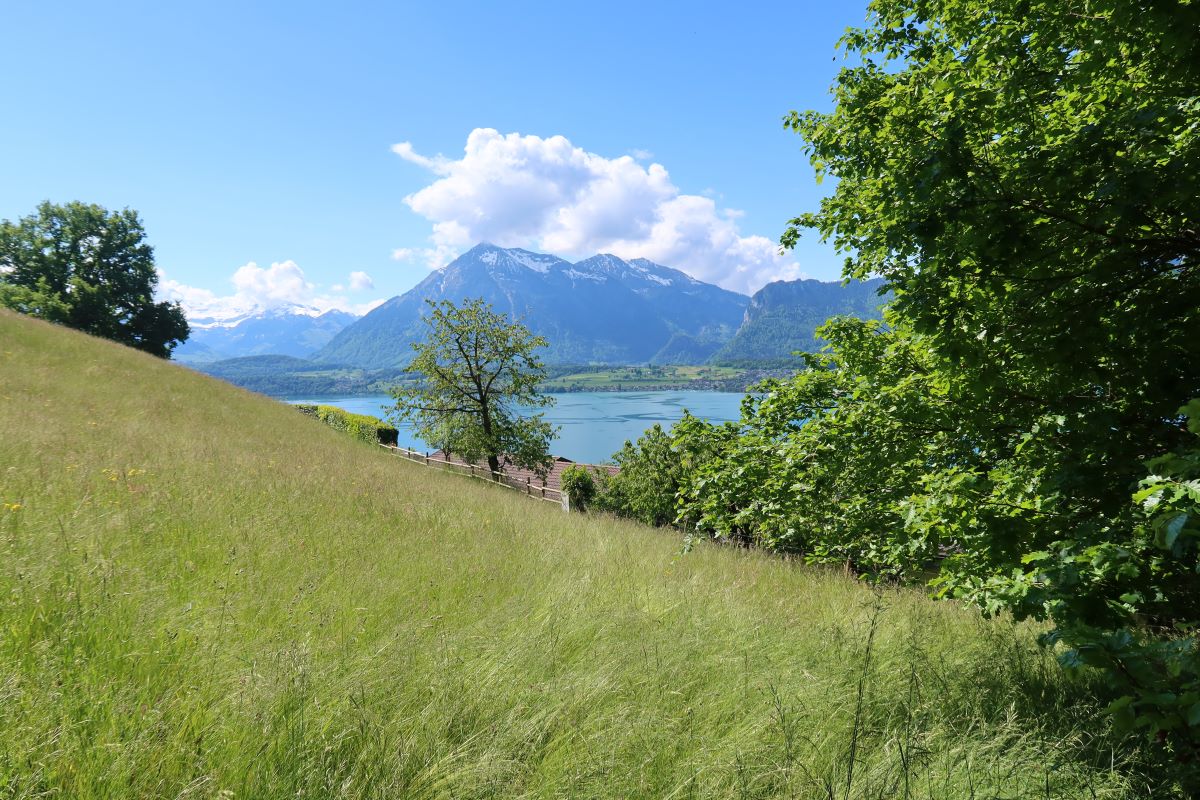
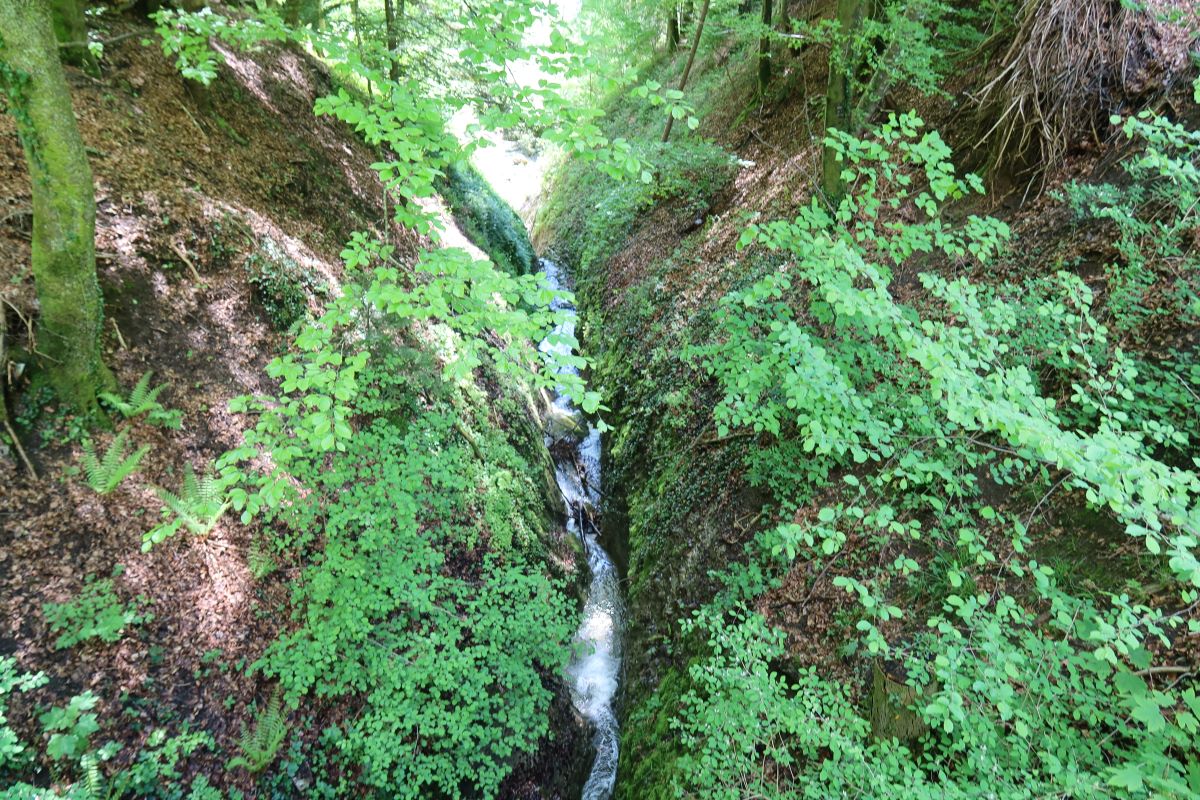
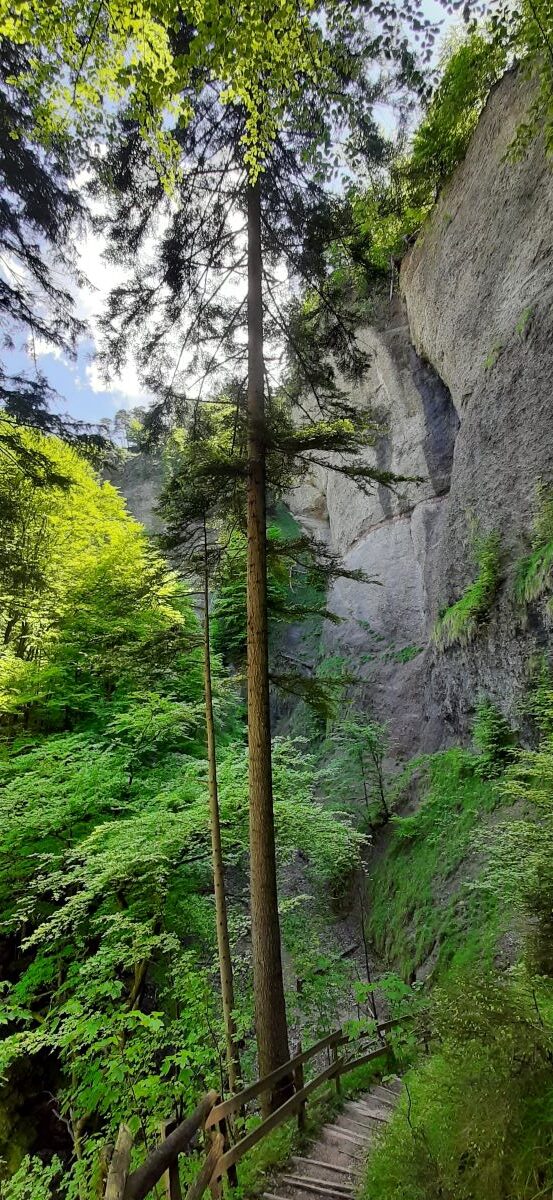
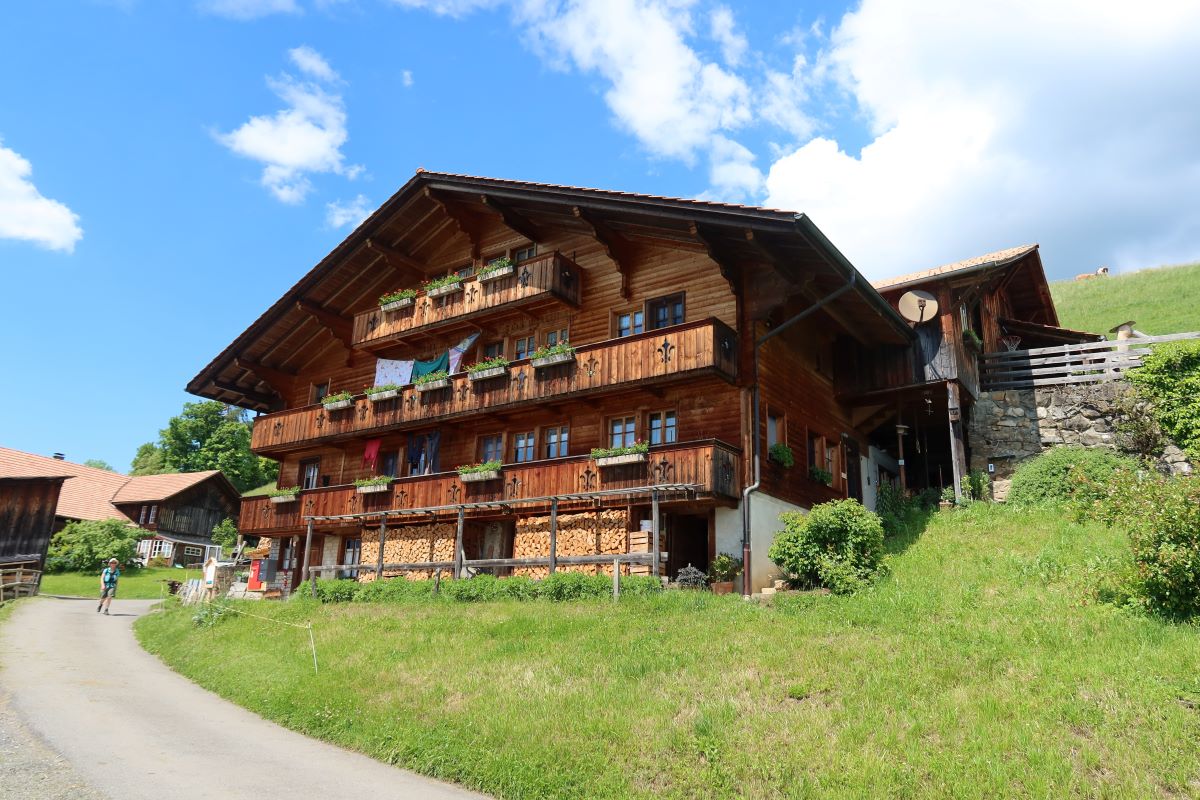
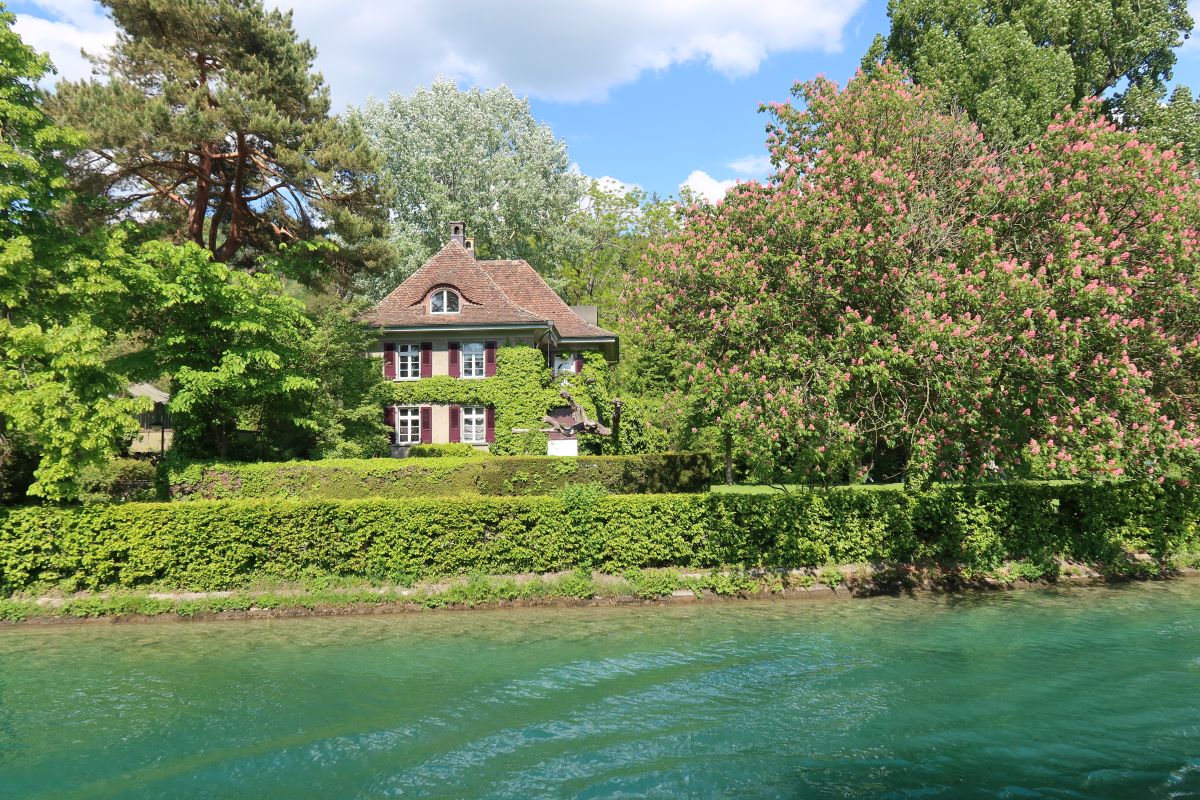
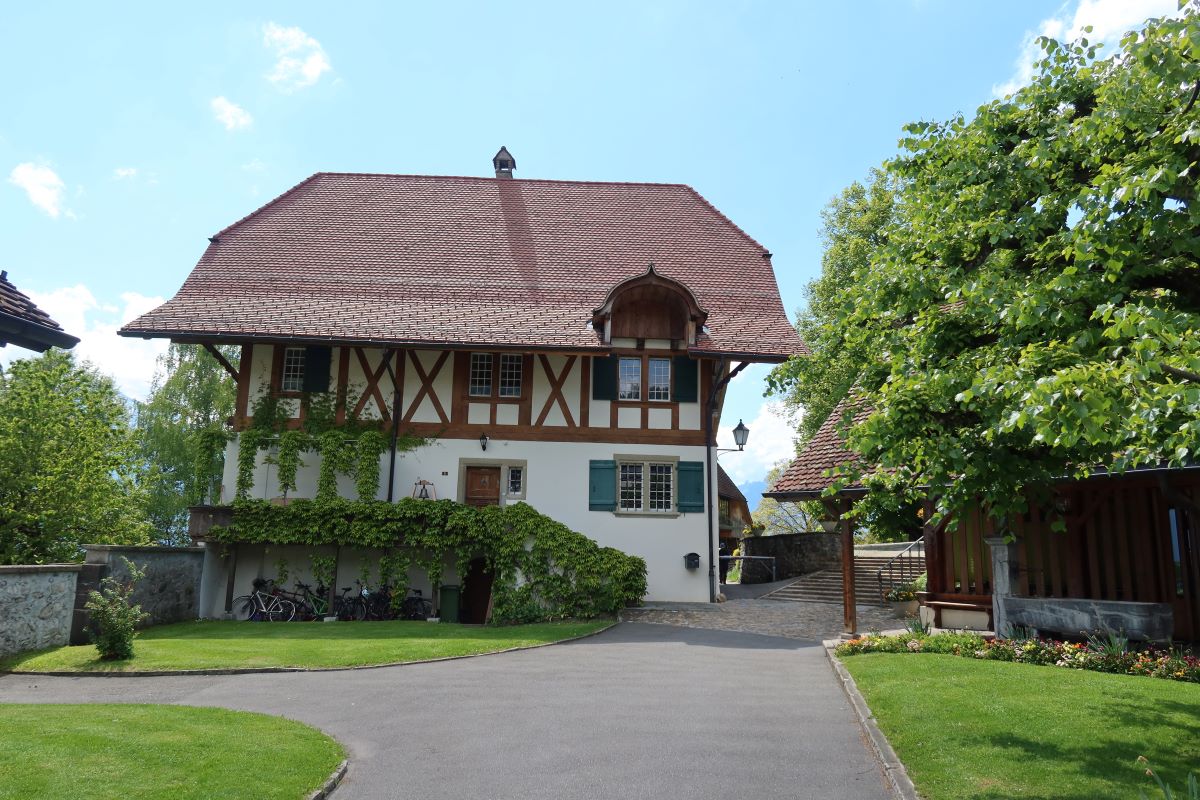
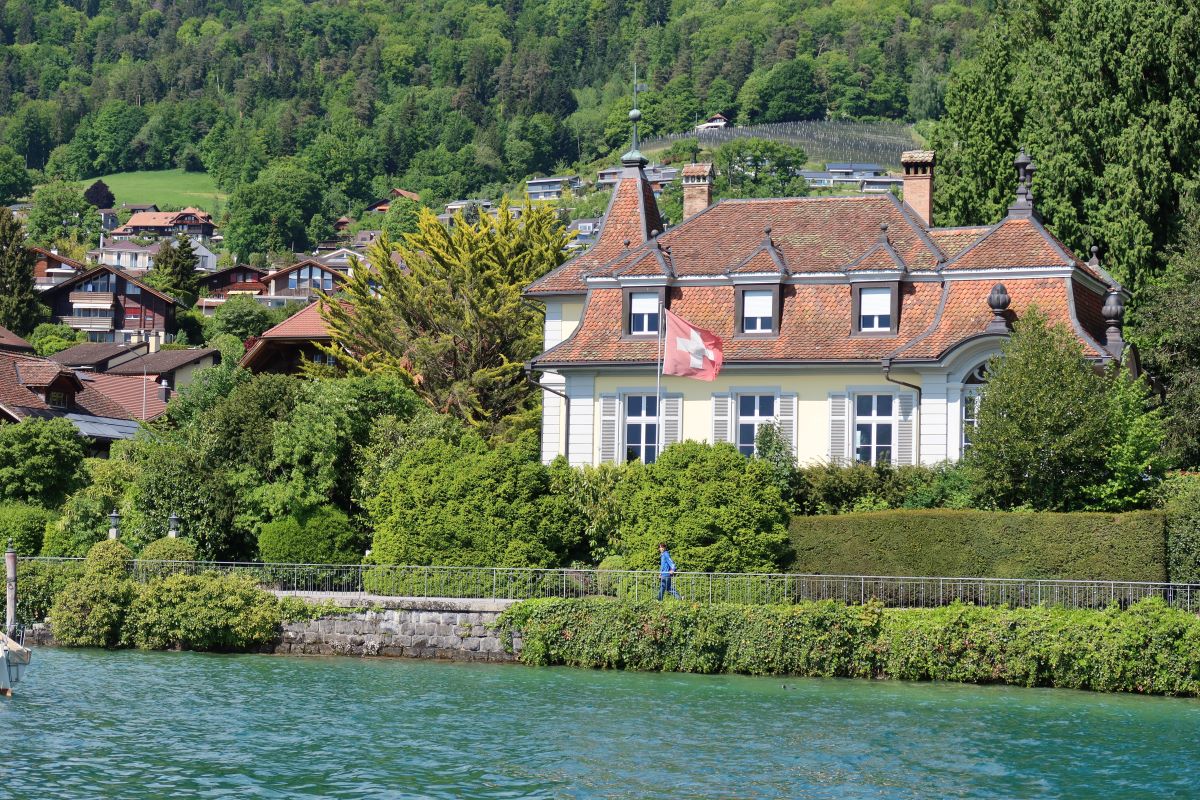
Impressions of Lake Thun and surroundings
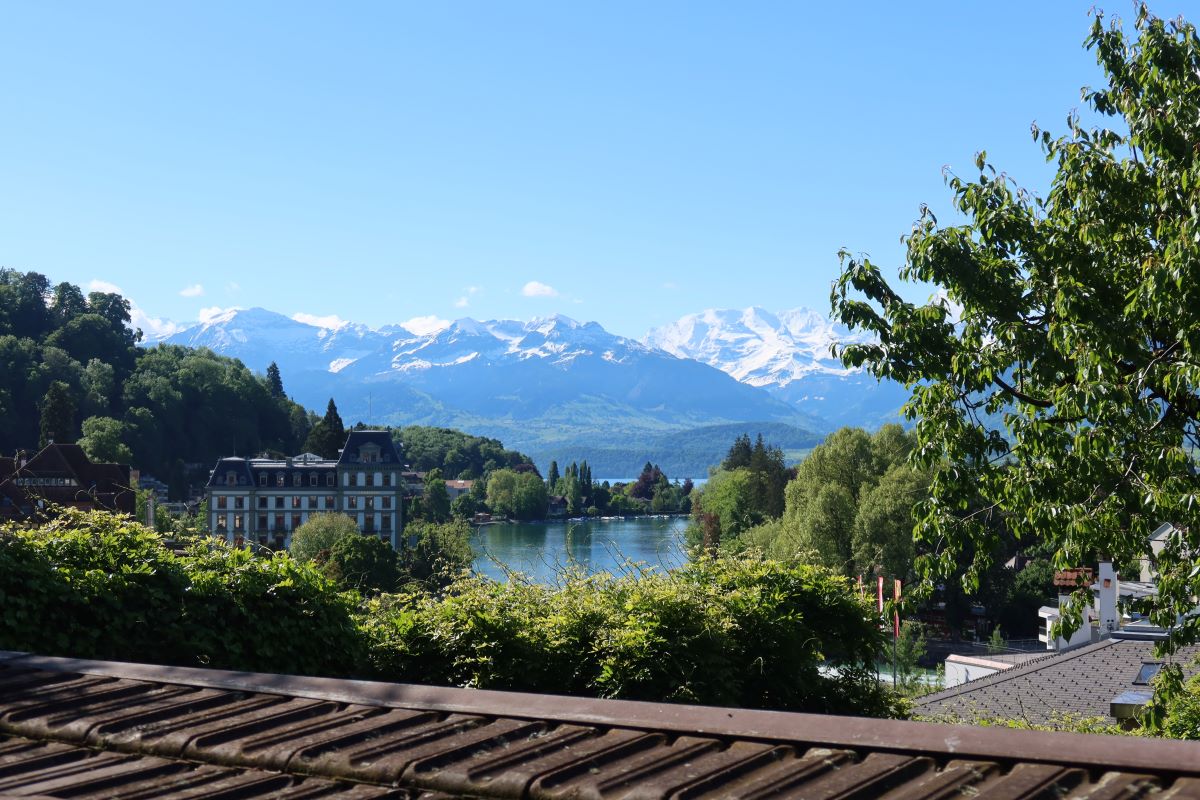
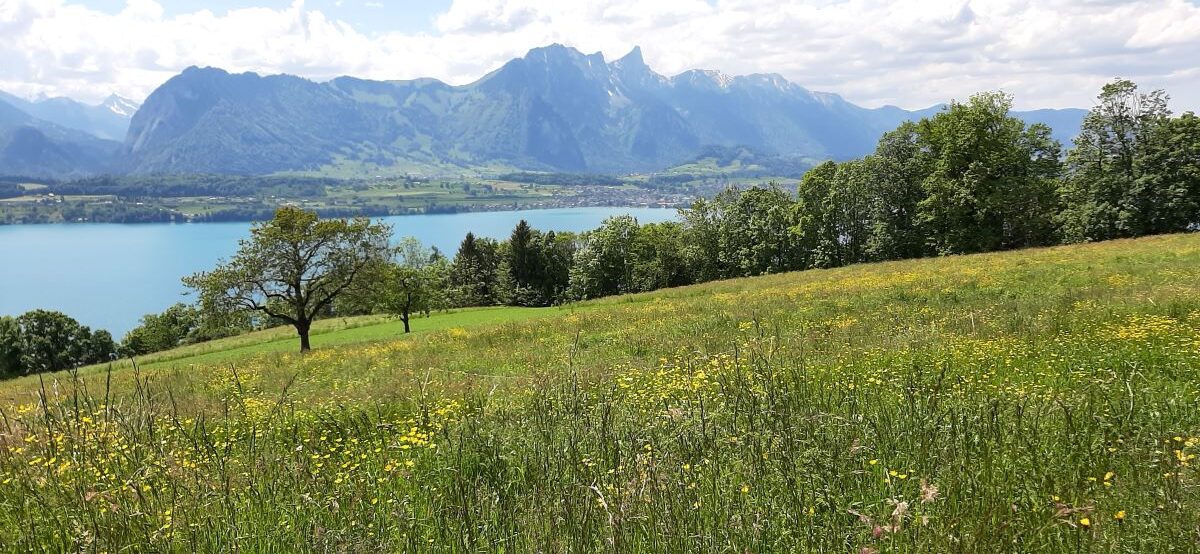

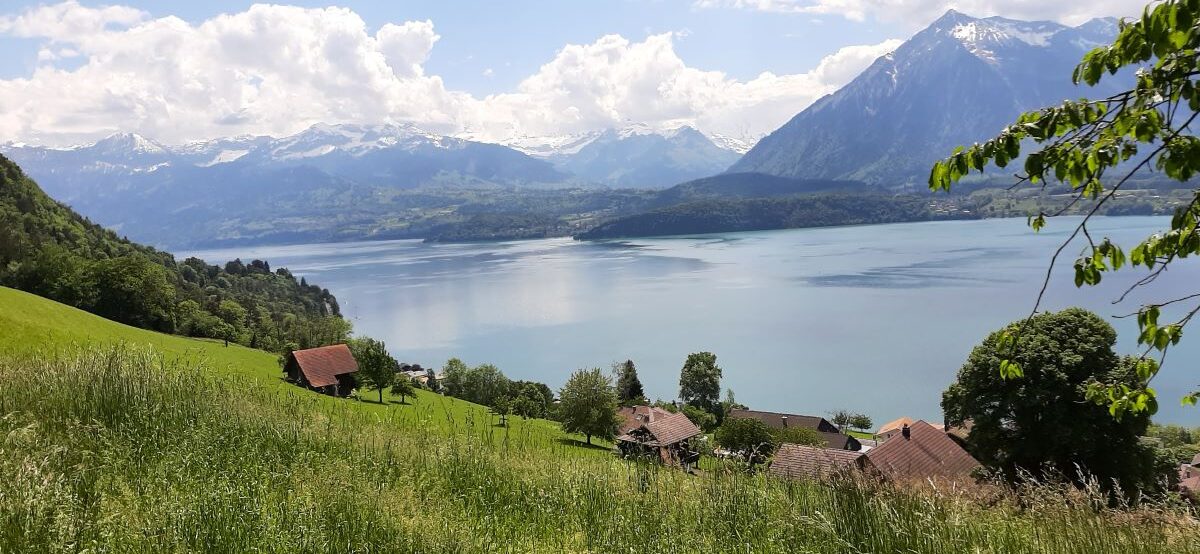
The Gummischlucht
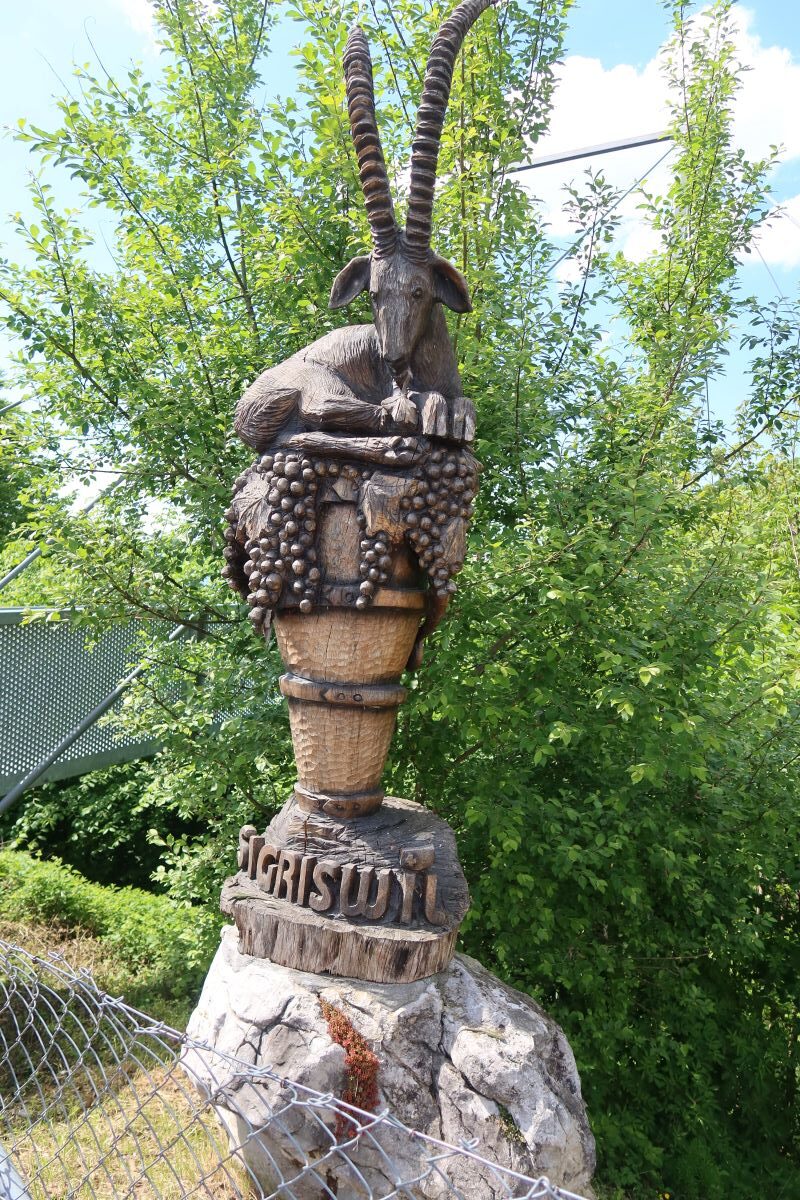
Sigriswil

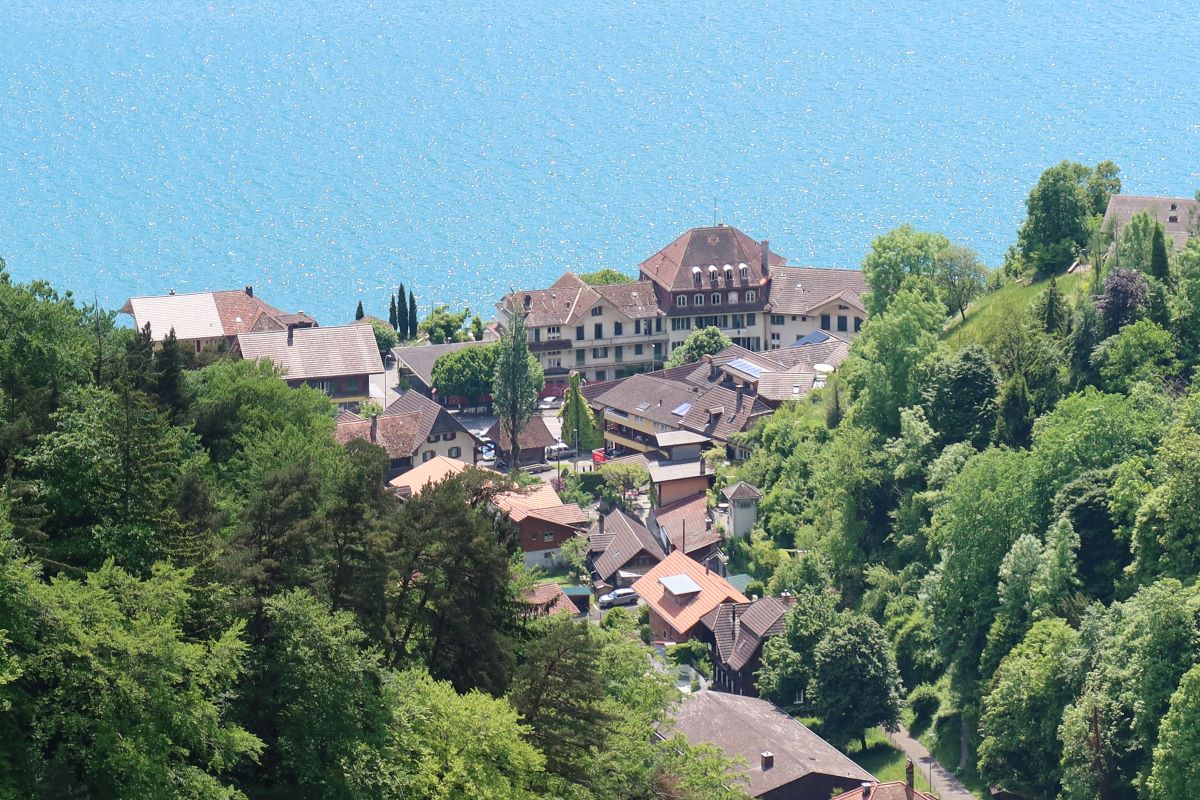
Gunten
