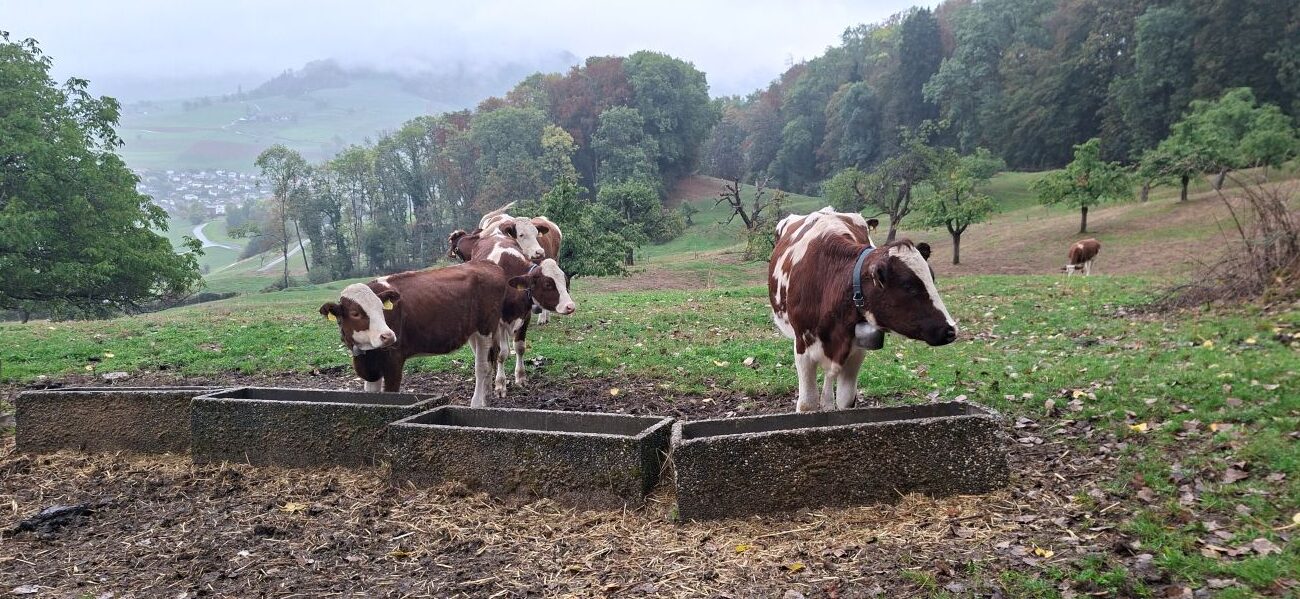
The founding of Canton of Basel-Landschaft in 1833 and SAC in 1863
21 October 2026
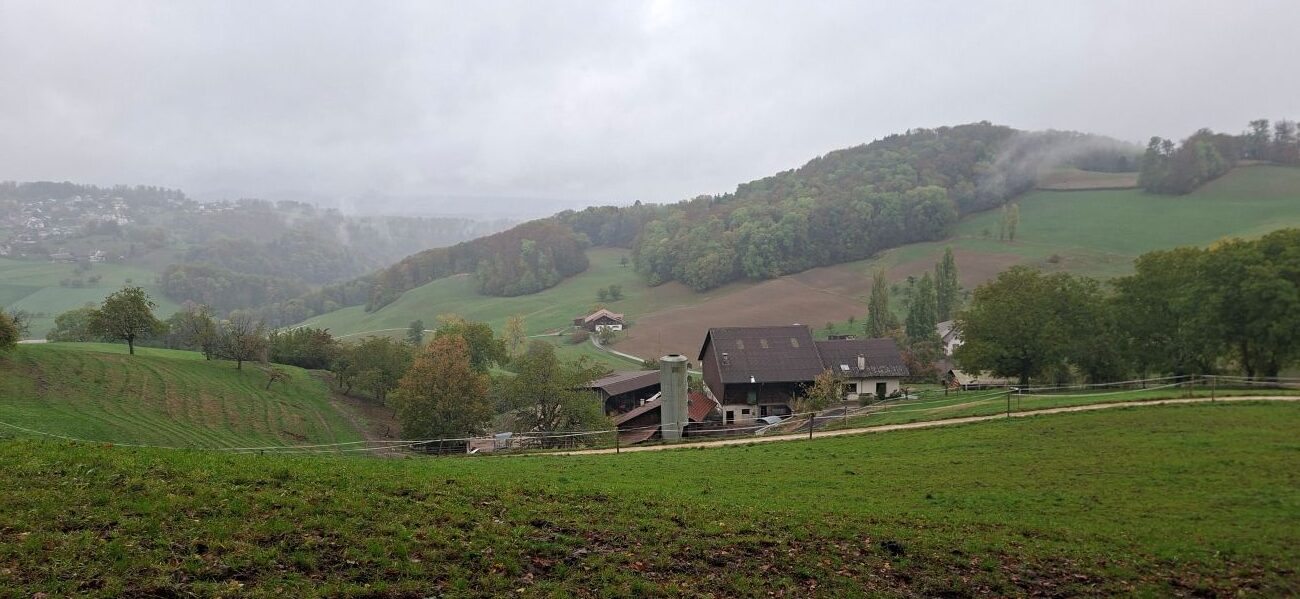
Bad Bubendorf (Canton of Basel-Landschaft) is the place where, on 18 October 1830, the movement took shape that led to the secession of the Canton of Basel in 1833. In Bad Bubendorf, a hamlet and spa town near Bubendorf, the first meetings took place in 1830, leading to independence from Basel-Landschaft in 1833. However, the village of Bubendorf itself remained loyal to Basel until the end. The secession from Basel took place in 1833, creating the cantons of Basel-Stadt and Basel-Landschaft.
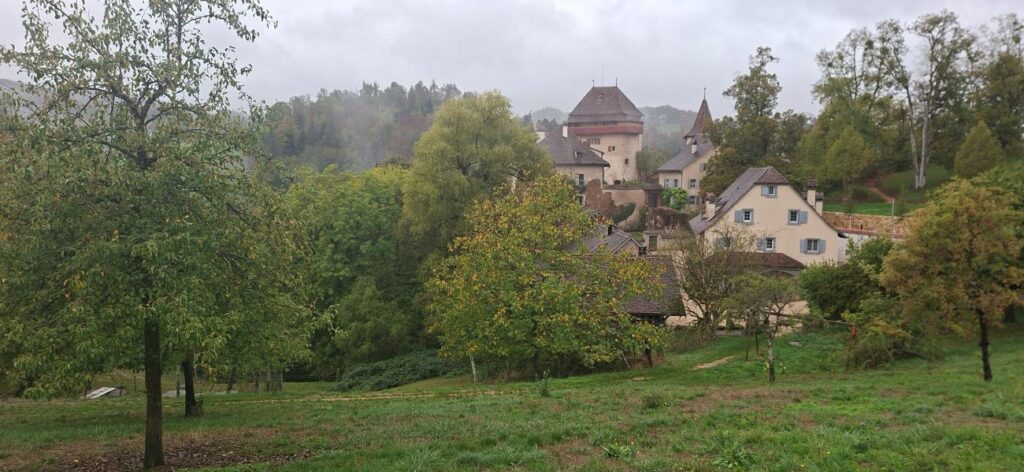
Wildenstein
The centuries-old Wildenstein Castle and estate (built in the 13th century) lies about 1 kilometre further south towards Oberdorf. It is one of Switzerland’s last remaining natural areas featuring a medieval cultural landscape. The castle’s grandeur, its (English-style) gardens, springs and farmsteads also reflect many centuries of cultural history. The estate is best known for its oak grove and the Witwald. The oldest oaks date back to the 15th century (around 1490)!
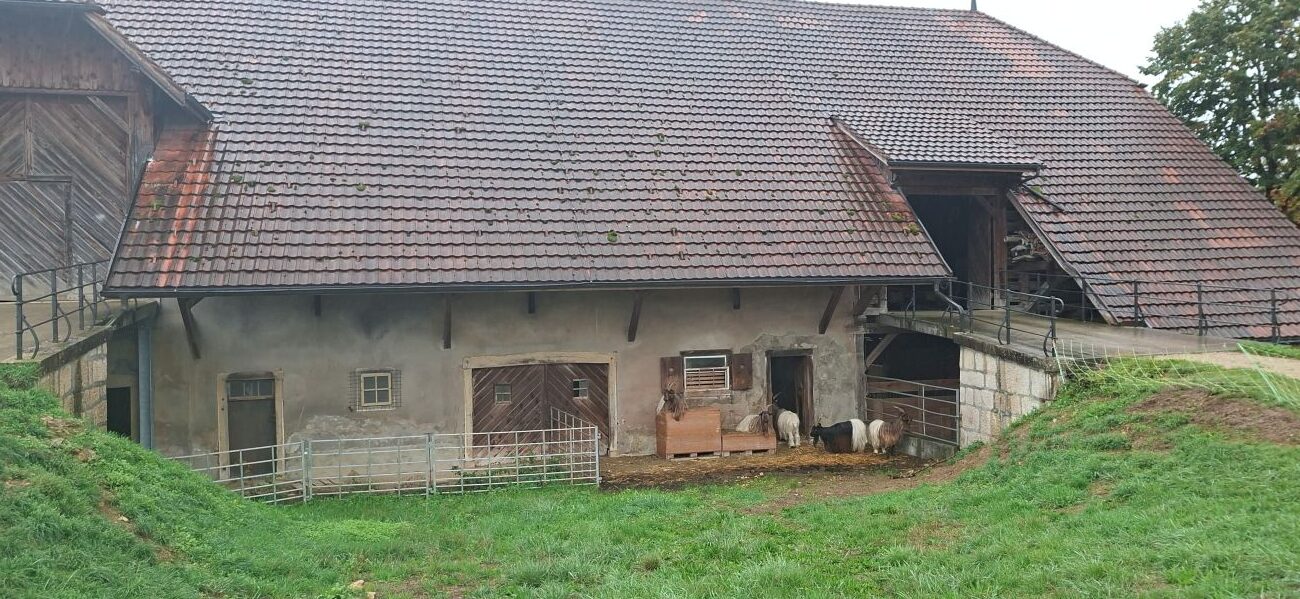
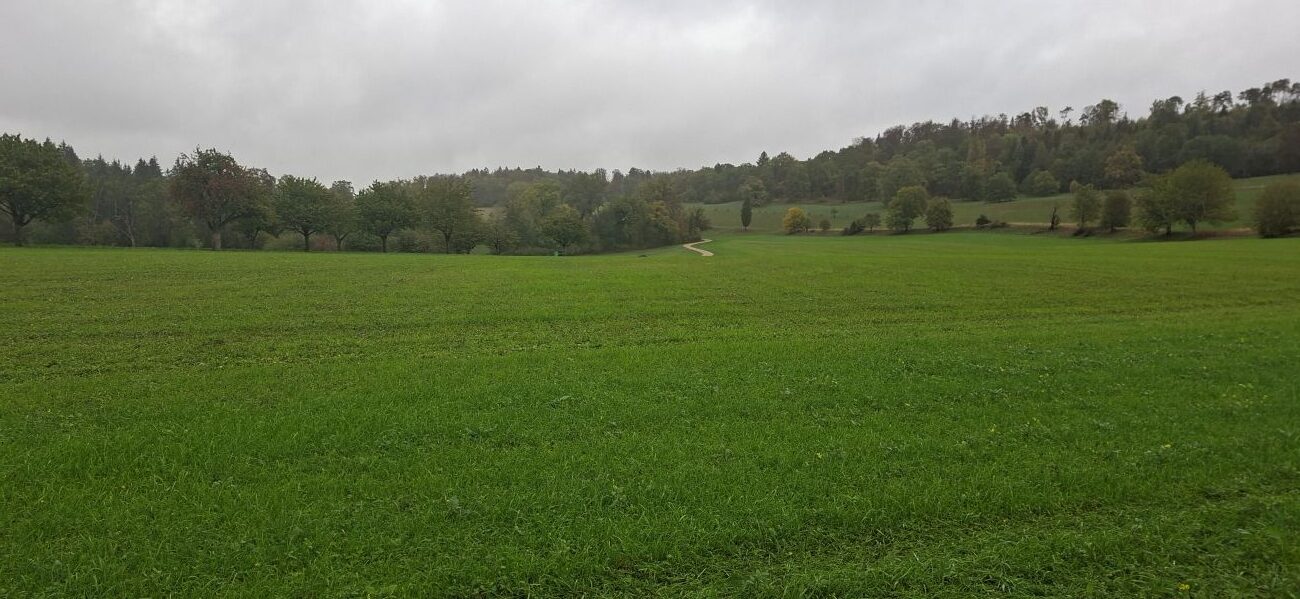
For centuries, the wild boar linked the oak grove and the Witwald. Wild boars love acorns and would eat their fill to fatten up before resting in the Witwald from time to time. The oak grove is not a dense forest, but consists of oak trees standing in open countryside (the Witwald).
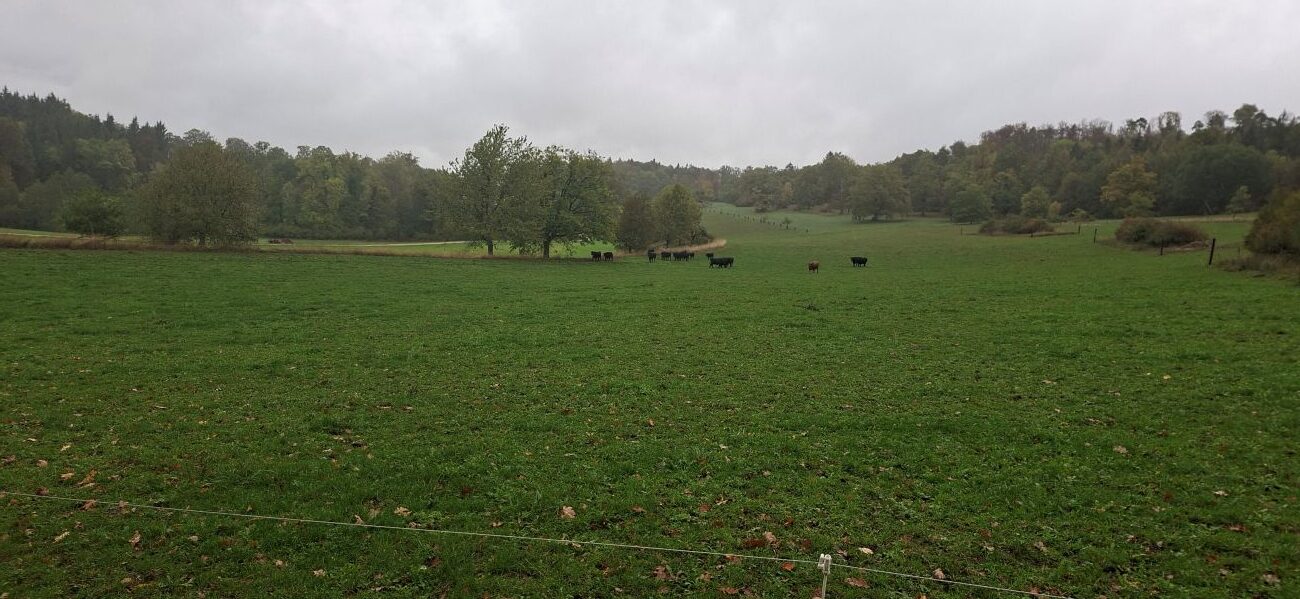
The value of such an oak-meadow area was therefore measured by the number of boars (boar units) it could support. Oak timber was also a very good building material. In the 18th century, agricultural practices changed, and the land was converted to vegetable cultivation. However, the Eichenrain and the Witwald in Wildenstein were preserved and are now a nature park.
The Giessen Waterfall
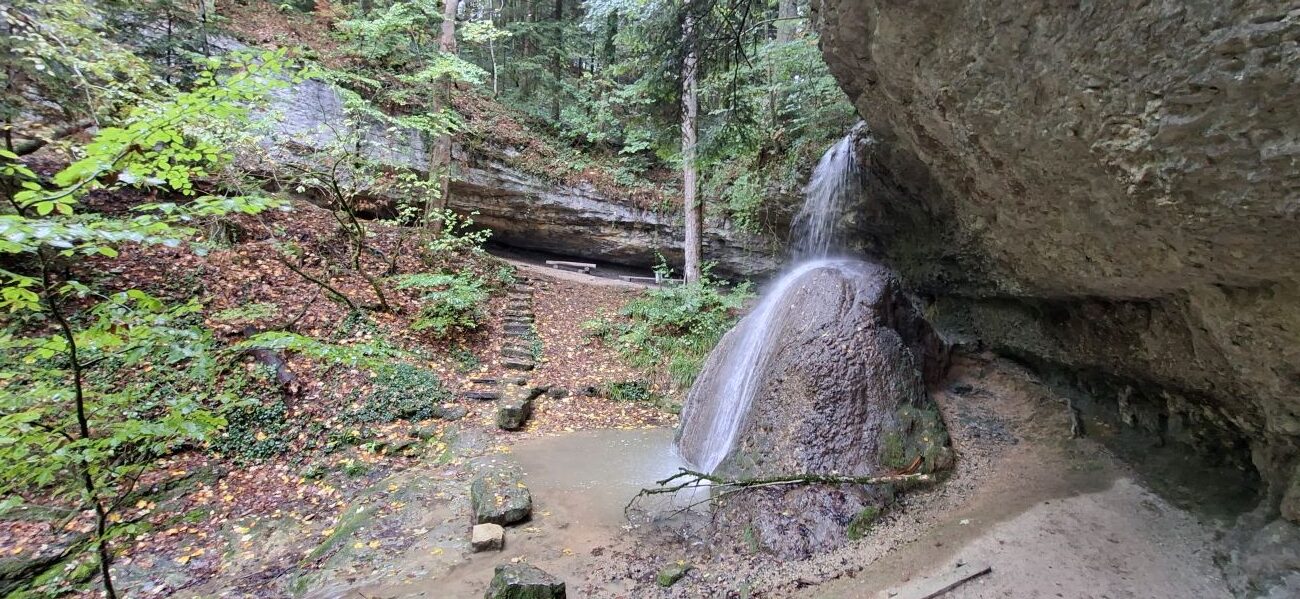
Further south towards Oberdorf lies another natural landscape: a floodplain forest of maple, ash, alder and poplar trees, featuring the ‘Giessen’ waterfall and the cone-shaped formation – or stalagmite – below the waterfall, formed by deposits from the calcium-rich water.

Nomen est omen in the Auenwald

However, the volume of this well-known waterfall has changed. Not so long ago, the waterfall in the gorge was still proper. Nowadays, it is merely a small stream.
Oberdorf
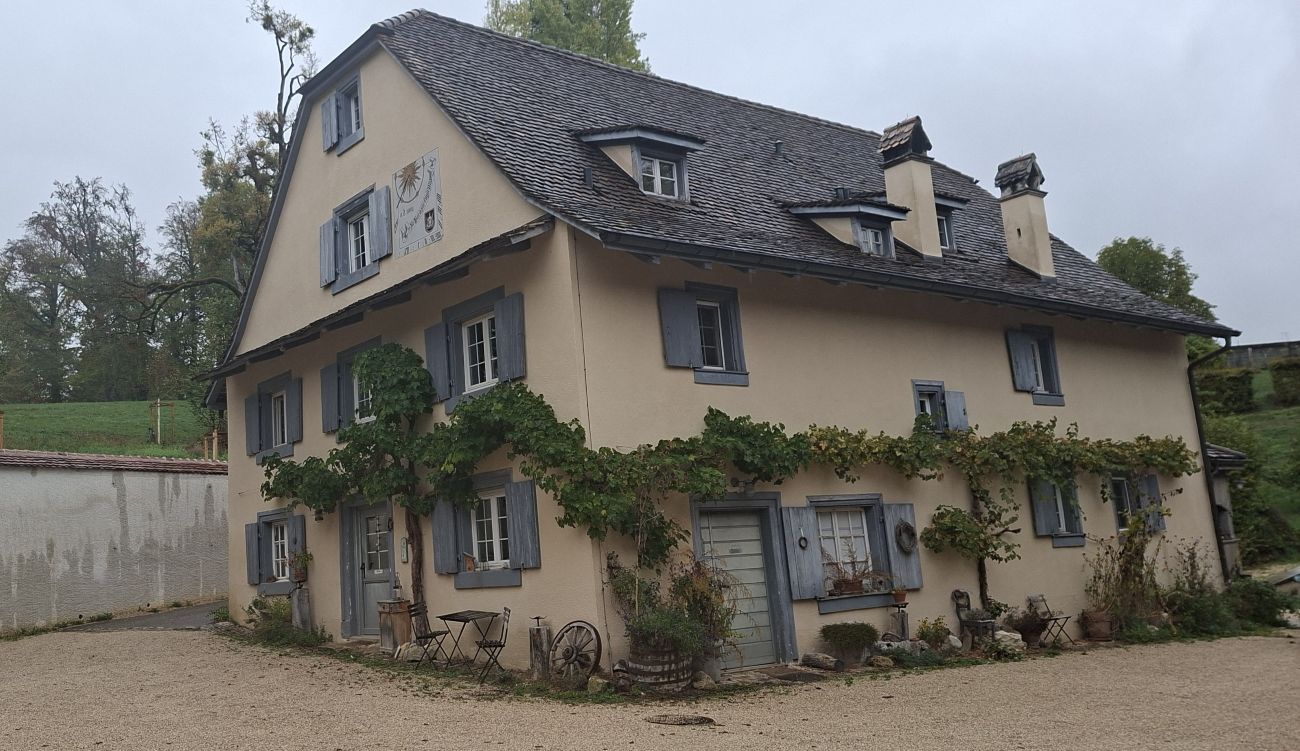
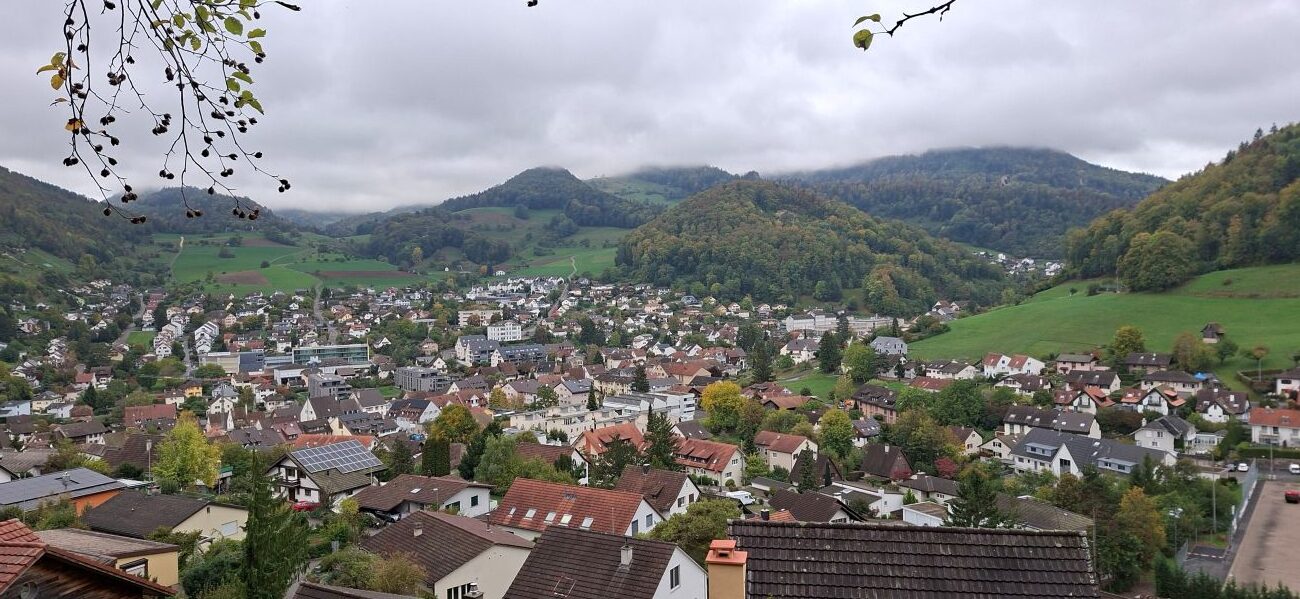
Oberdorf is only about 13 kilometres from Bad Bubendorf (Canton of Basel-Landschaft). Yet even this short journey offers insights into history, culture, and nature, not only of Switzerland, but also of the Swiss Alpine Club (SAC).
After the Romans withdrew in the 5th century, Oberdorf belonged to the First Kingdom of Burgundy (446–534) for almost 100 years. Afterwards, the Alemanni settled in this region. Various graves and works of art from that period remind us of their arrival. The first church dates from the 8th century. For centuries, Oberdorf belonged to the St Ursen Abbey, which was dissolved in 1874.
From Onoldswil to Oberdorf
For a long time, Oberdorf and Niederdorf together formed a municipality called Onoldswil. In 1295, however, an avalanche destroyed the village. The subsequent reconstruction led to the emergence of the present-day villages. The name Oberdorf first appears in a 1305 document, when the village, together with Lommiswil, still formed a single parish.
The Gugler’s destruction of the church in Lommiswil in 1375 heralded a new era for Oberdorf. The Guglers were English and French mercenaries who invaded and plundered the Swiss Mittelland in 1375 during the Hundred Years’ War between England and France. In 1420, the villagers built a new church in Oberdorf, dedicated to the Virgin Mary. It was renovated several times in 1490 and in the centuries that followed.
The Swiss Peasants’ War of 1653 and the silk ribbon weaving industry
Oberdorf played a significant role during the Swiss Peasants’ War of 1653 (not to be confused with the German Peasants’ War of 1525). One of the peasants’ leaders, Uli Schad, came from the village. The outcome of the uprising is well known, but Oberdorf recovered. In the 18th and 19th centuries, it even developed into one of the most important centres for silk ribbon weaving.

Ueli Schad in 1653. Image: Wikipedia, Collection: Historisches Museum Basel
Factories for the watchmaking industry and technical equipment also sprang up. Today, Oberdorf is above all a beautiful and peaceful village at the foot of the Oberer Hauenstein, whose mountain pass connects the cantons of Solothurn and Basel-Landschaft.
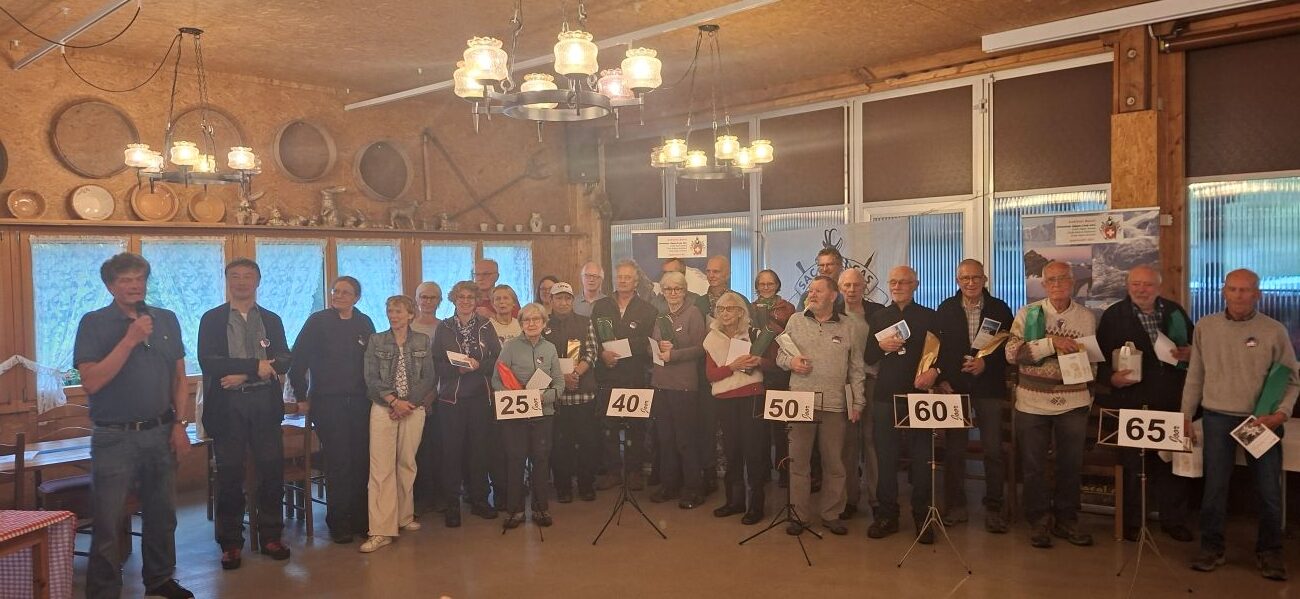
Annual Festival of the Basel Section of the SAC
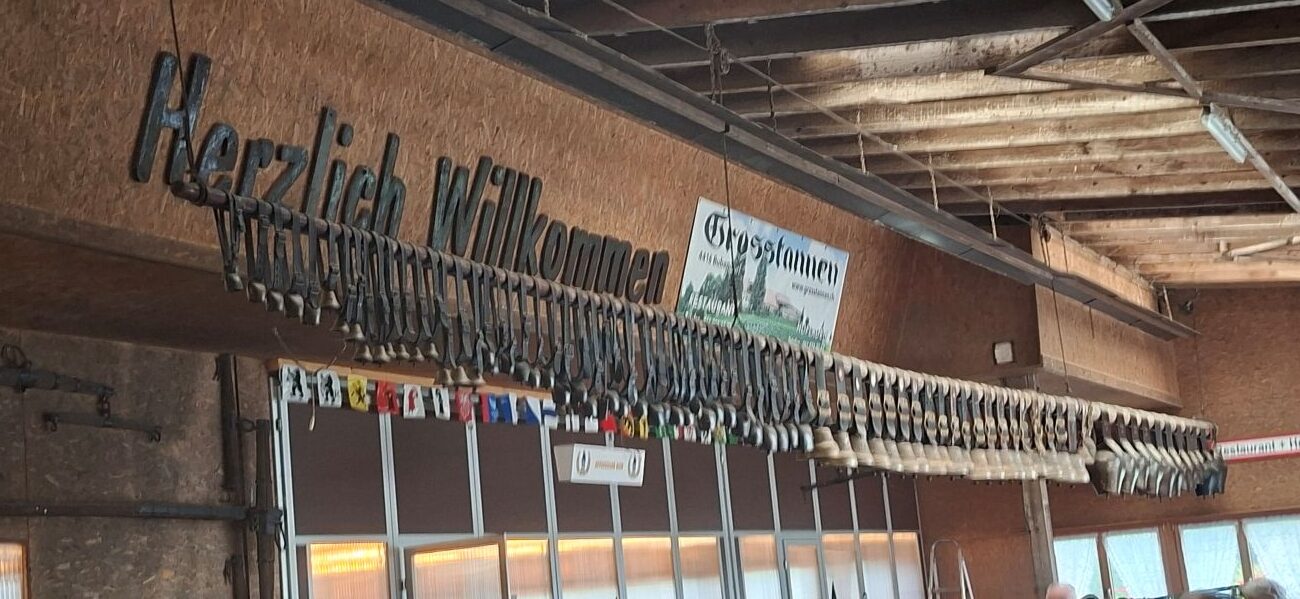
Every year, the Basel Section of the SAC organises an annual festival (Jahresfest) for its approximately 4,000 members. This year, the event took place in Grosstannen near Bubendorf.
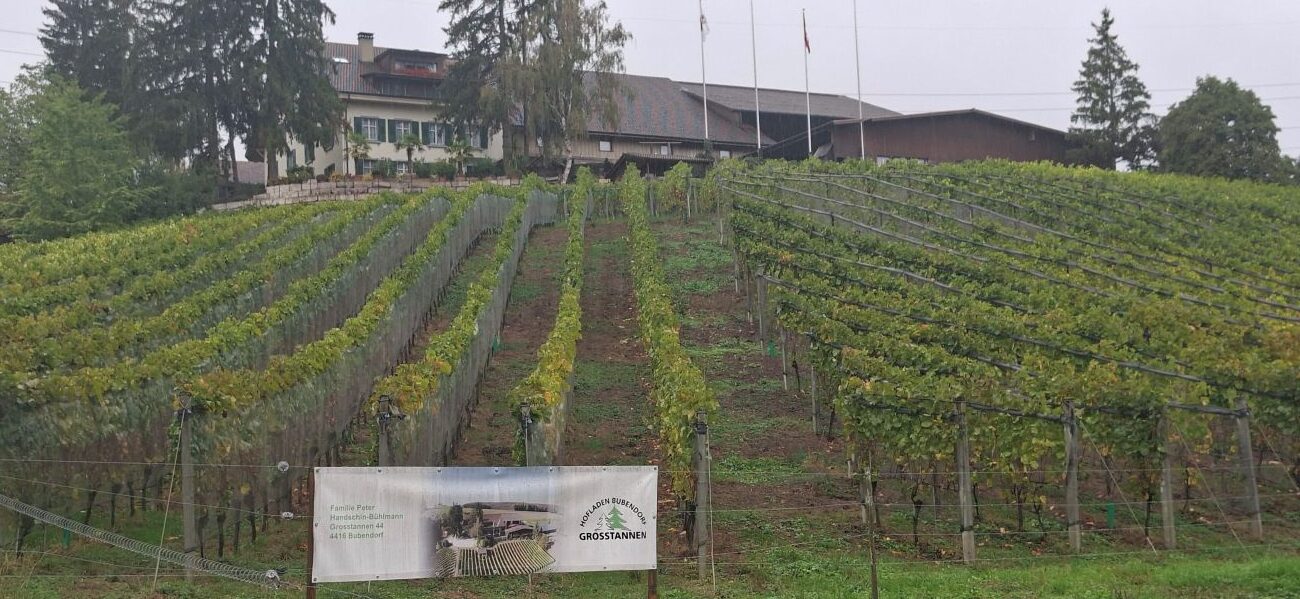
Once again, numerous members celebrated anniversaries, including some with 65 years’ membership! Not only were the anniversary celebrants and many members present, but also a hiking guide and her yodelling choir, the Frauen-Jodel-Chörli Basel!

Incidentally, this section was founded a few days before the nationwide SAC was established. The SAC Basel was founded on 17 April 1863 at Café Spitz in Basel. On 21 April of the same year, 14 founding members, together with 21 other Swiss nationals, founded the SAC’s central club in Olten. The Basel Section is therefore a few days older than the SAC itself.
Initially, events were held every 14 days, and later monthly, at Café Spitz, Café du Théâtre, Schützenhaus, Hotel Drei Könige (Les Trois Rois), the Lesegesellschaft, and, from 1950 onwards, at other venues. Some of the lectures given at that time have been transcribed by hand into 12 books entitled “Berg- und Gletscherfahrten der Sektion Basel des SAC“ niedergeschrieben (1863 – 1903)”.