

The Holy Oaks of La Tène
9 September 2019
The Celts were a group of tribes that inhabited Central and Southern Europe from approximately 1300 BC, including the area of present-day Switzerland. The Celts have never formed a unified political entity. Not much is known about the Celtic language either.
The language disappeared after the Roman occupation and the Romanisation, a process that spanned four centuries from the first century BC to the fifth century AD.
The Celtic culture is primarily known through archaeological finds, particularly in the graves of the elite and the reconstruction of settlements, known as oppida. They maintained a system of European trade from the Mediterranean to the Scandinavian countries.
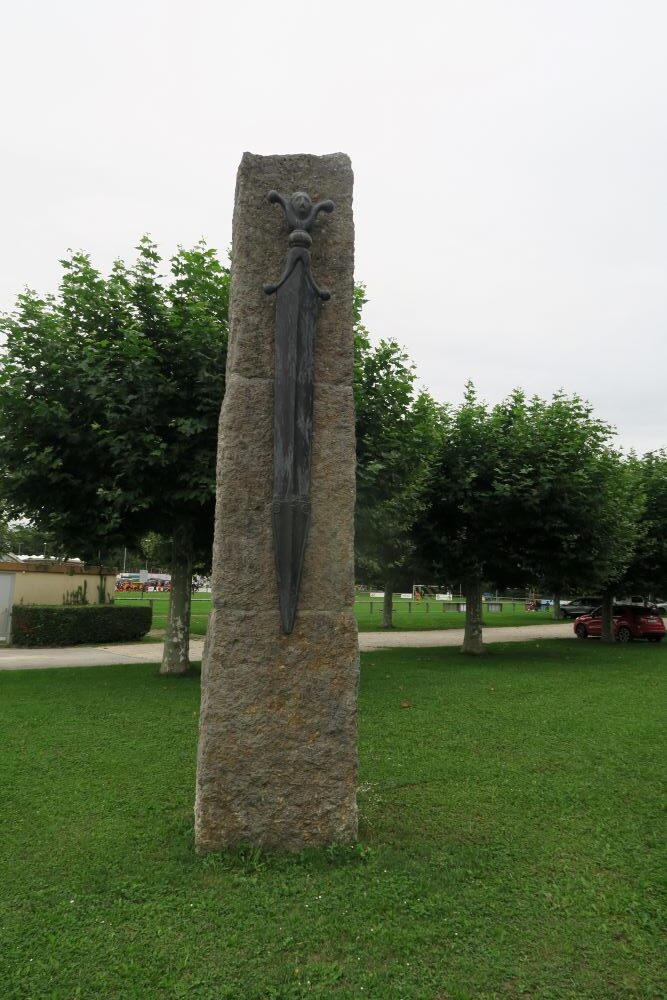

Two periods are distinguished in science: the Hallstatt period, also known as the First Iron Age (1300-400 B.C.), and the La Tène period, also referred to as the Second Iron Age, from 400 to the beginning of Roman influence, around 100 B.C., and the incorporation into the Roman Empire around 15 B.C.
Hallstatt is named after a place in Austria. La Tène is an area close to Neuchâtel. Lake dwellings and numerous Celtic artefacts were discovered there in 1860. The Laténium museum derives its name from the “La Tène” history that it showcases.
The oak tree held a significant religious meaning in Celtic culture. A park of oak trees has been (re)created in the La Tène area to commemorate those ancient inhabitants.