Fondation Beyeler Unites Art and Nature
9 November 2026
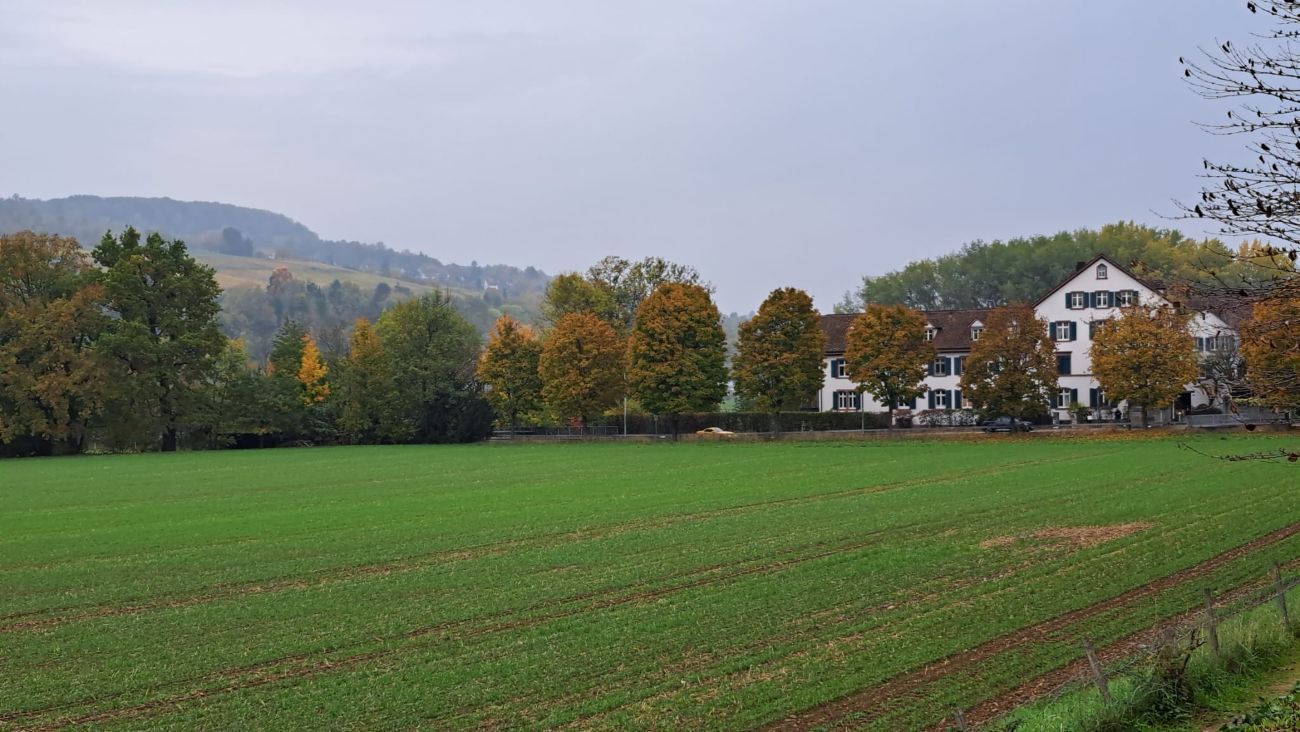
Art, architecture, and nature have belonged together at the Fondation Beyeler since its founding. Already in the Beyeler Museum, the architecture opens up to nature with large windows, offering views across the park and fields to the Tüllinger Hill. The artworks, buildings, gardens and nature form a shared whole, an ensemble.
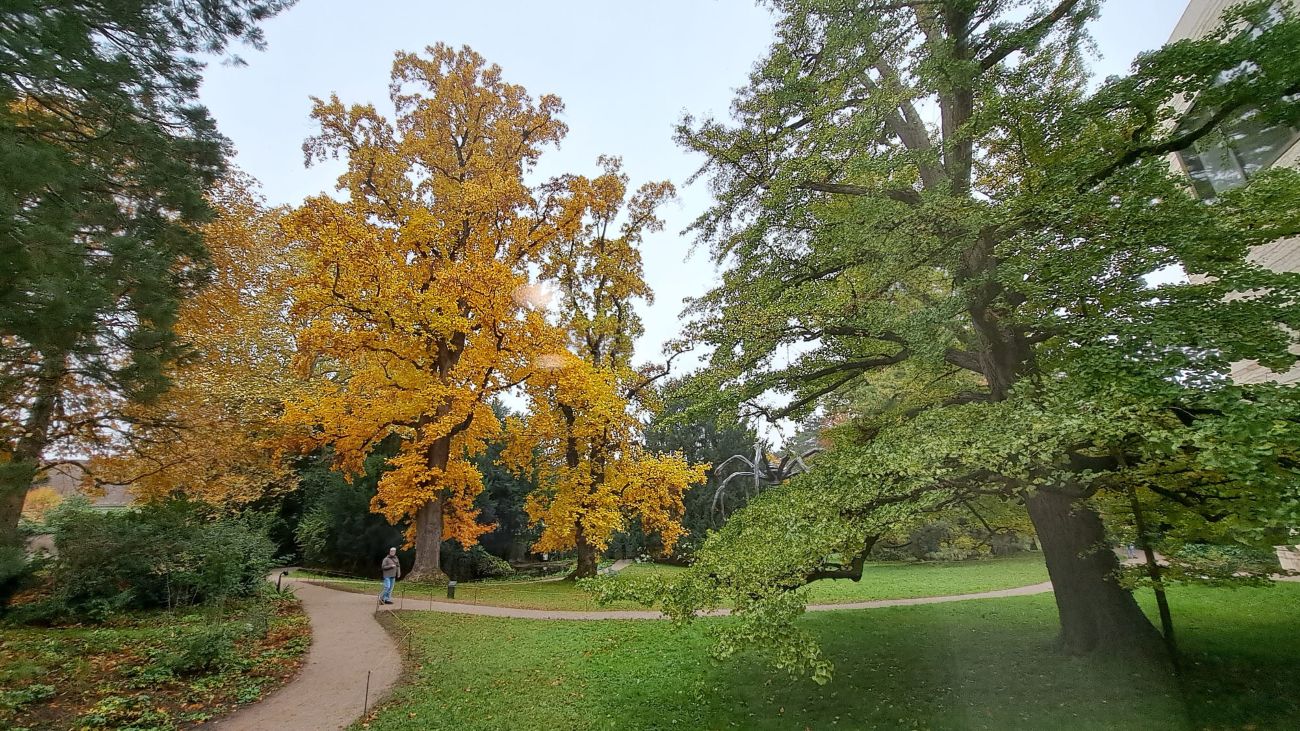
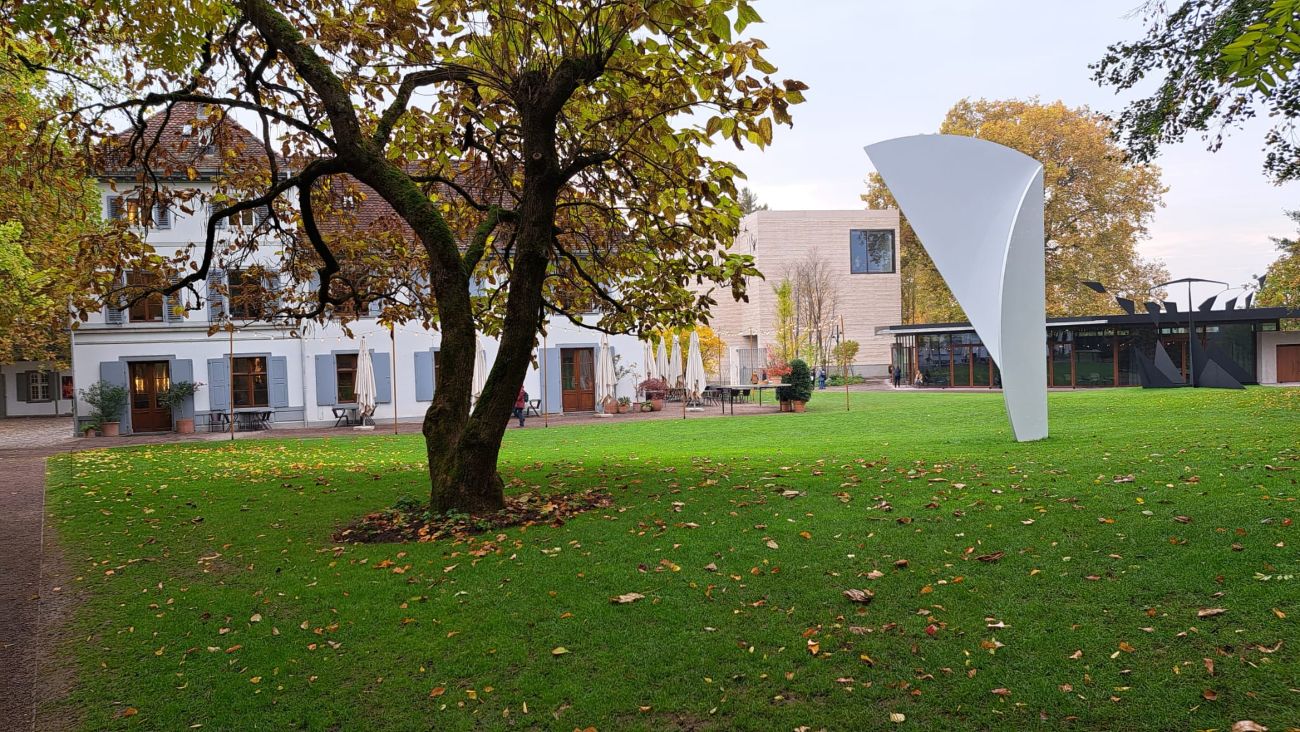
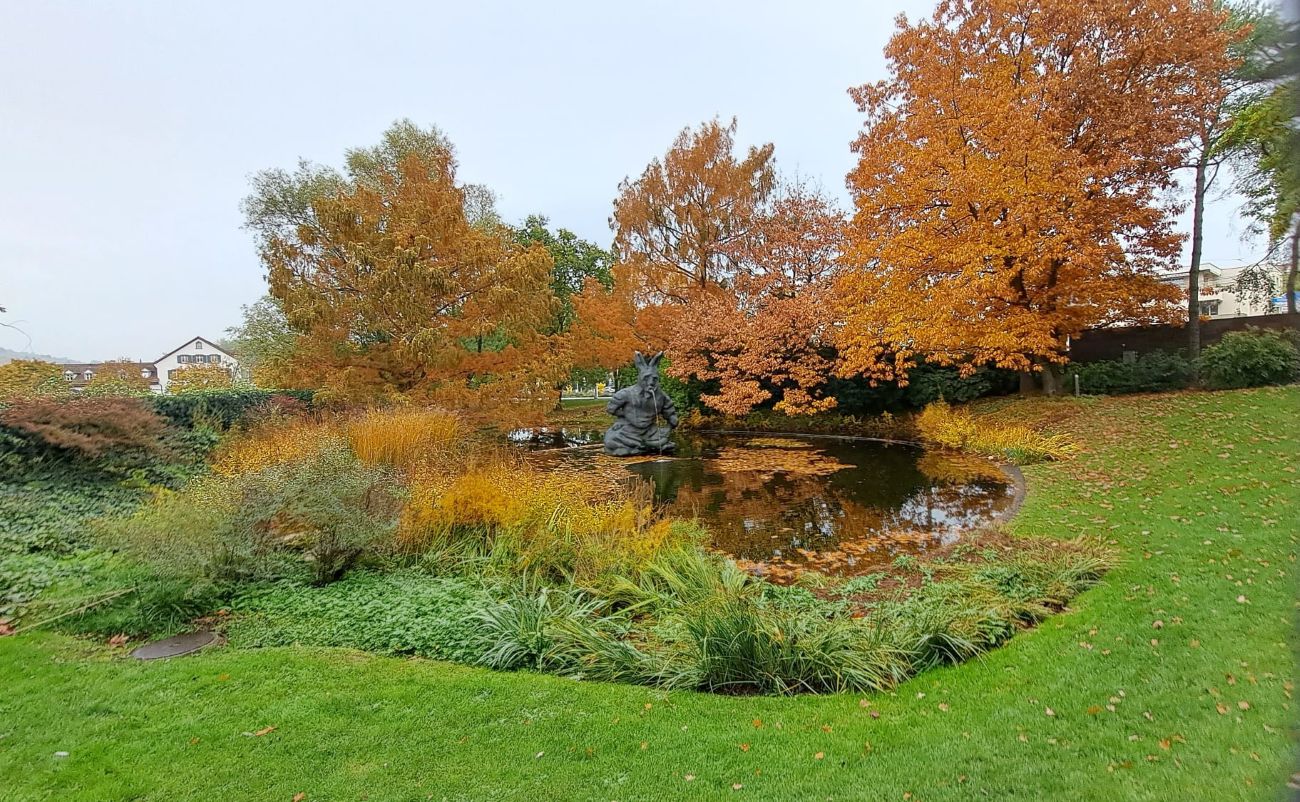
Art also extends beyond the museum spaces. In the museum park, artworks find their place among tall trees, magnificent rhododendrons and ponds. Some become part of the experience as seating, such as the benches by Jenny Holzer, while others accompany the park through the seasons, including the sculptures by Alexander Calder, Ellsworth Kelly, Thomas Schütte, Philippe Parreno and the artist duo Fischli/Weiss.
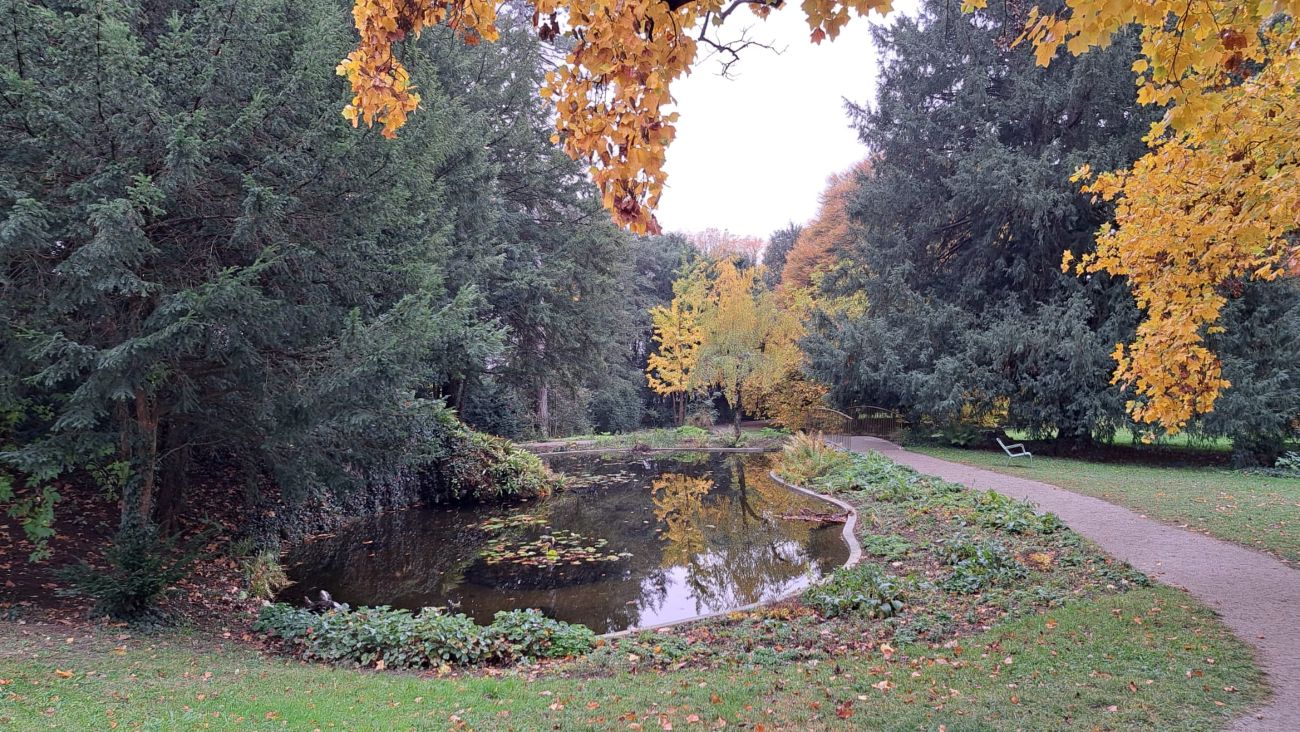
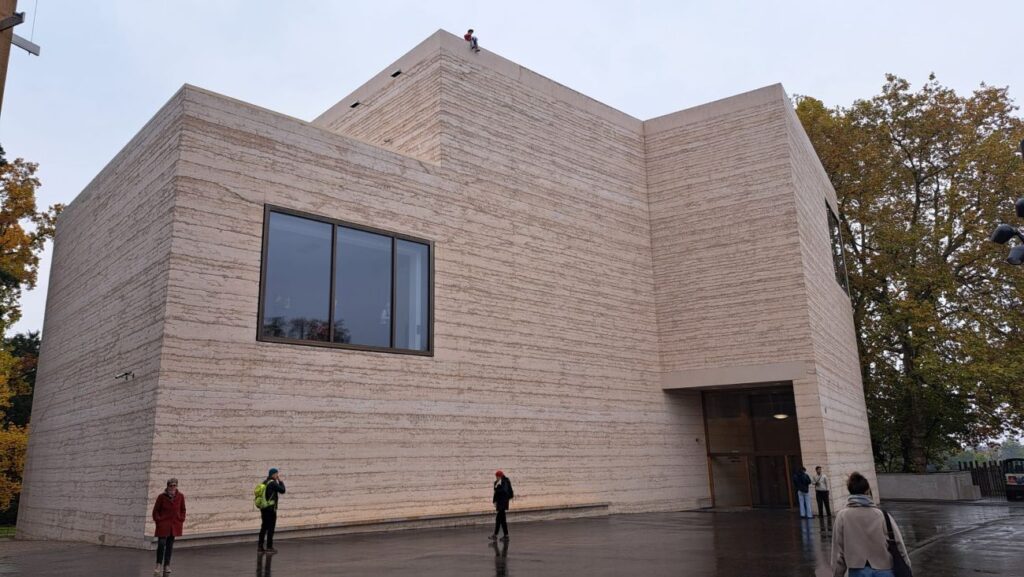
With the new ensemble, this harmonious interplay expands to include new spaces and perspectives. The Beyeler Museum by Renzo Piano, the Wyss Museum and the Ammann Pavilion by Peter Zumthor, as well as the restored historic buildings, are embedded in the museum park, which directly borders the adjacent Wiese Landschaftspark.
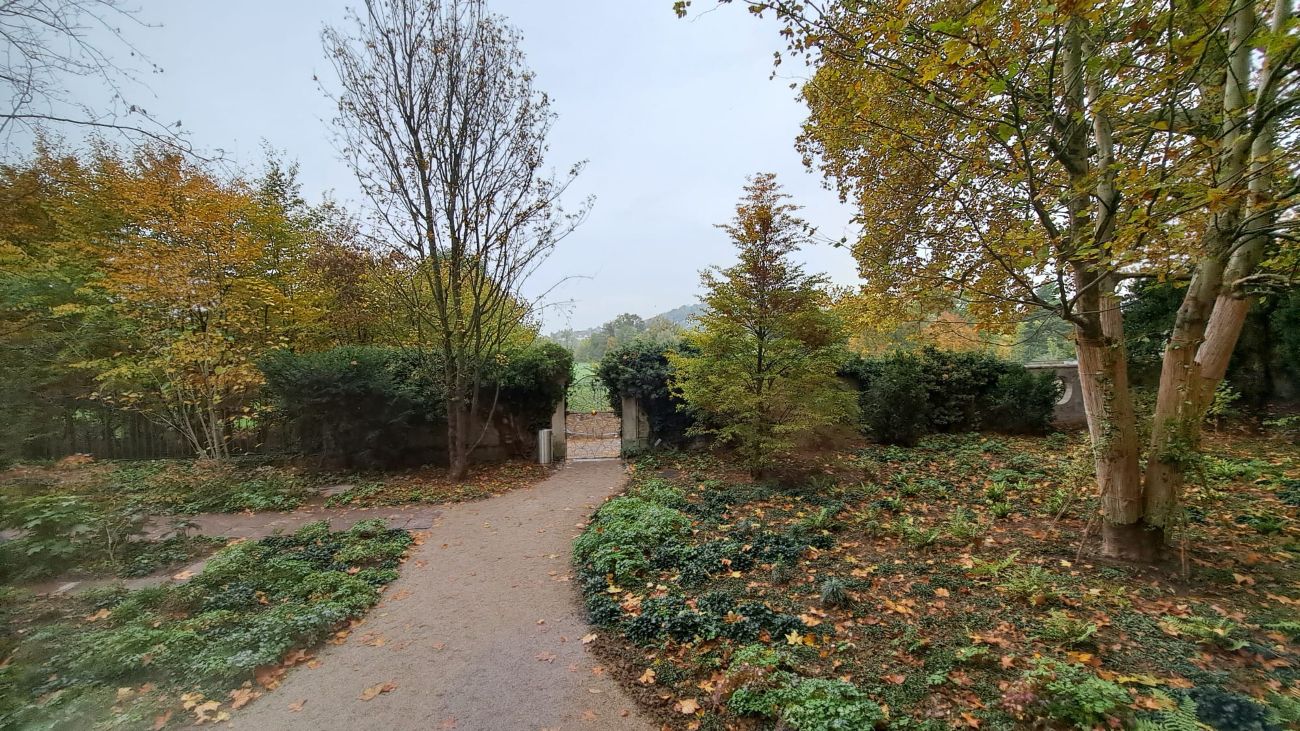
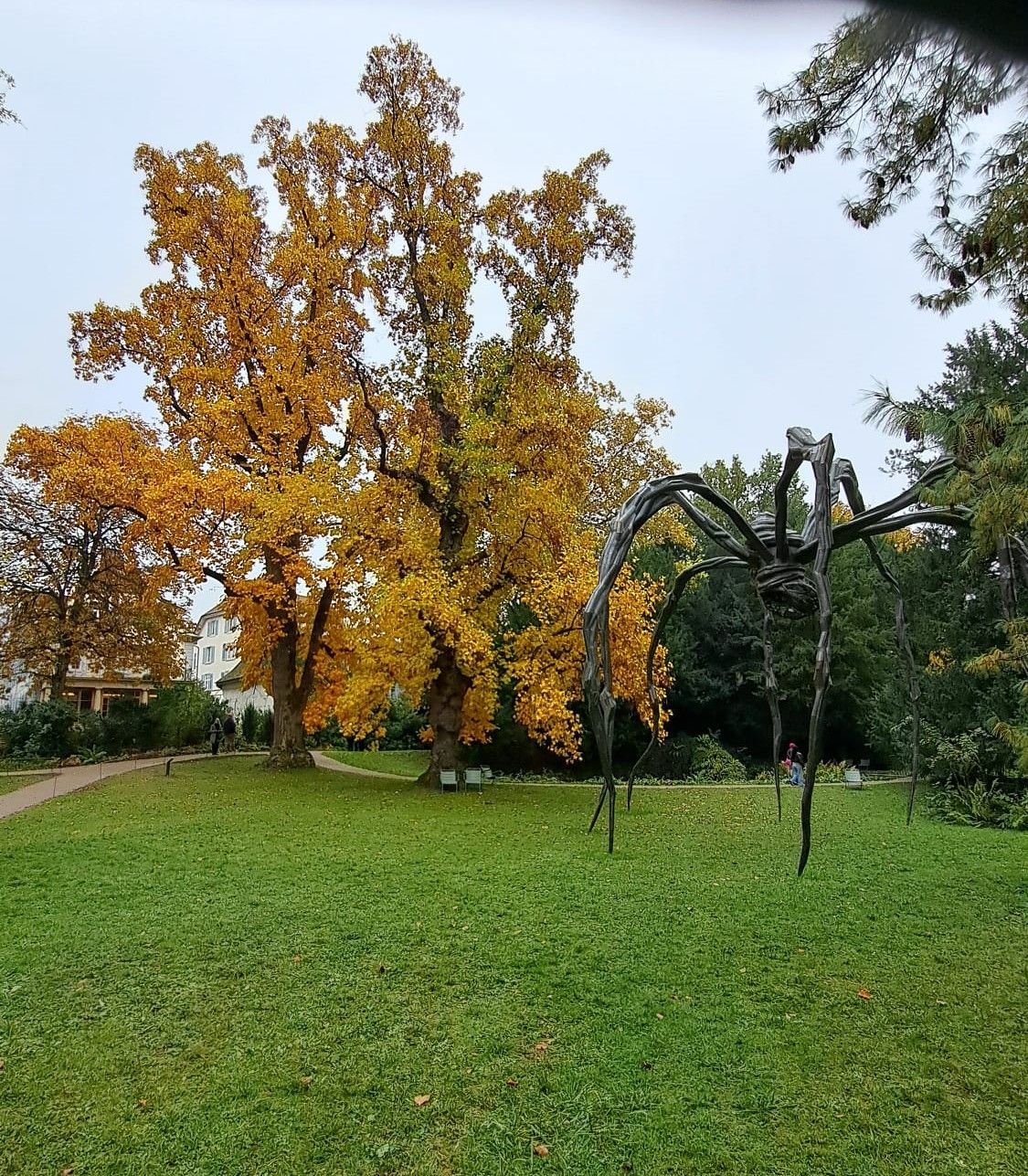
With the expansion, the historic landscape garden also becomes publicly accessible. Existing and new works are added here, including works by Pierre Huyghe, Louise Bourgeois and Rachel Whiteread. The expansion also doubles the Fondation Beyeler’s park landscape.
A visit to the Fondation Beyeler repeatedly moves between inside and outside: from art to architecture, from the exhibition spaces into the park, and further with a view into the surrounding landscape.
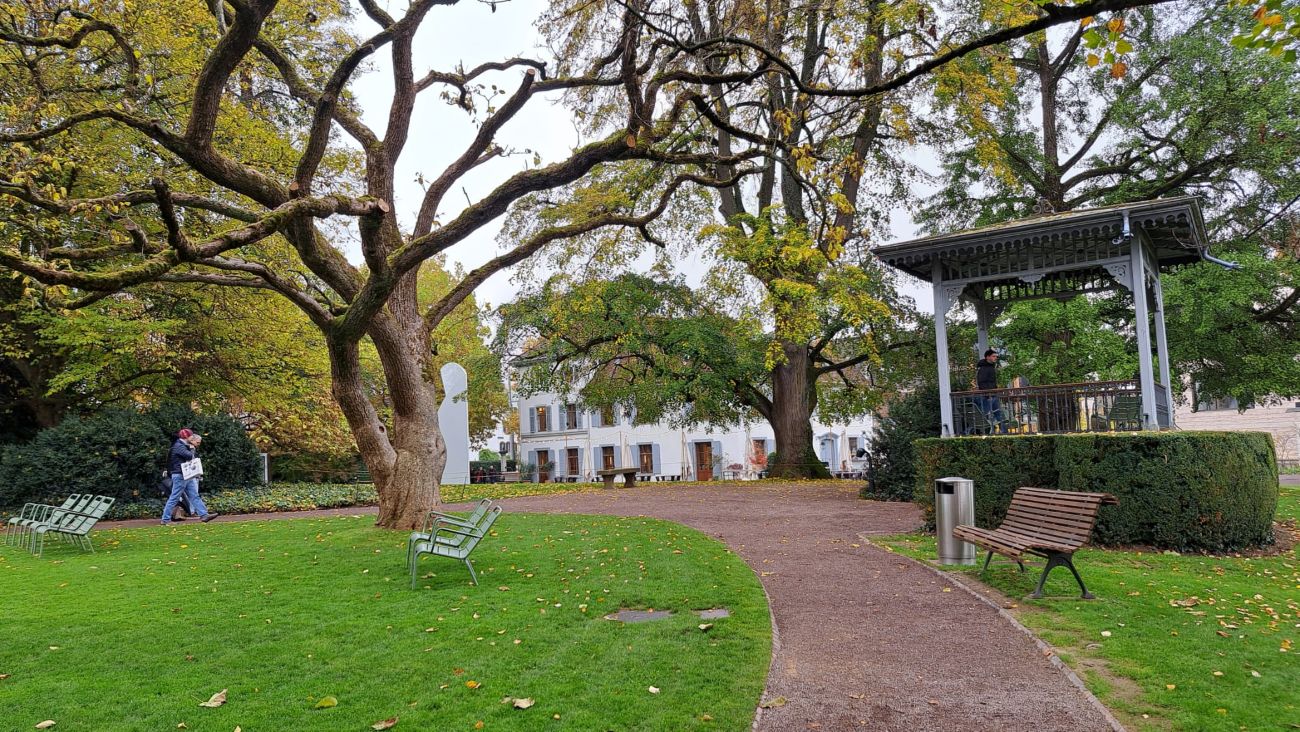
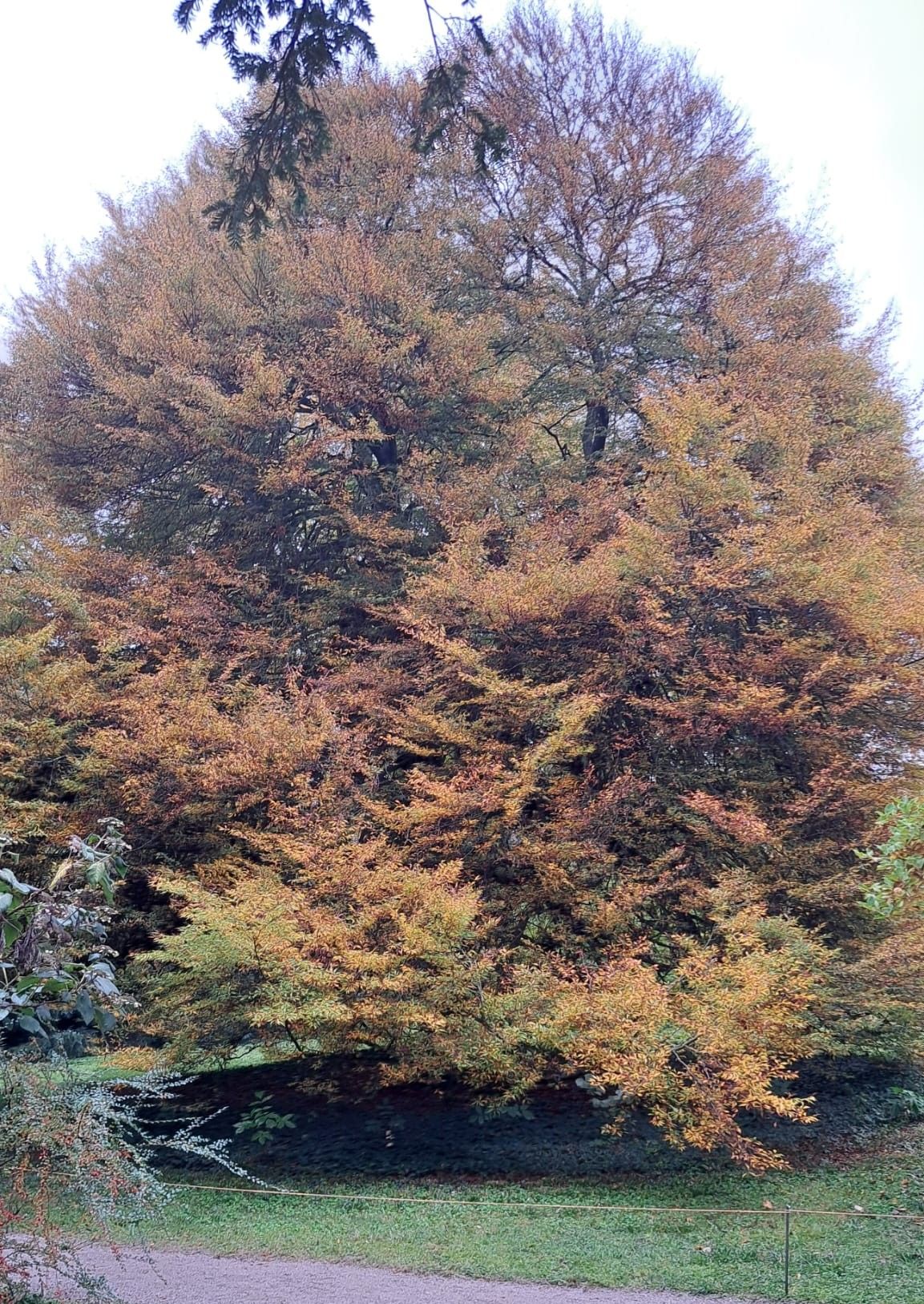
The new section also features a water lily pond, surrounded by centuries-old giant trees. Enclosed by stone walls and with a slightly wild, enchanted quality, the park is home to a wide variety of plants and animals, including protected species.
The Wyss Museum
Wyss Museum, Ammann Pavillon and the Erlen Torhaus
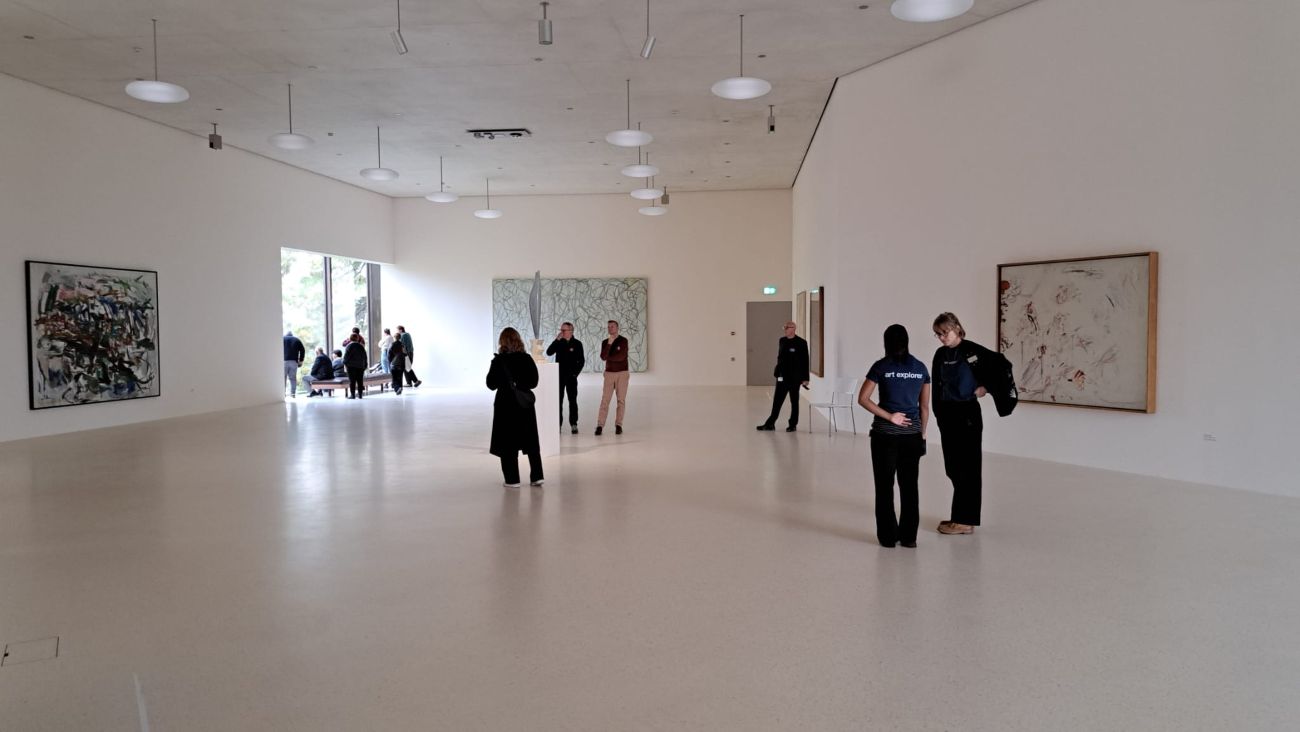
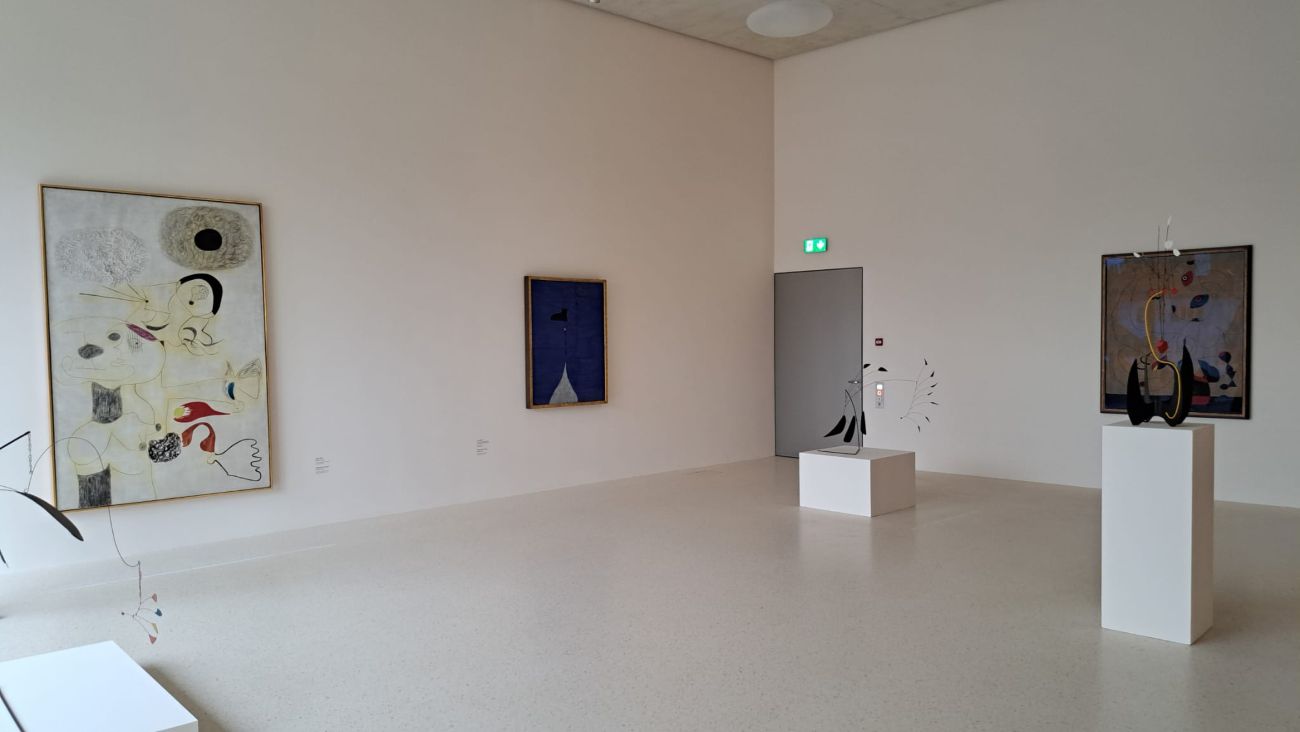
With the Wyss Museum, around 1,500 square metres of exhibition space on three floors have been added, featuring different forms and characteristics. The floor plan accommodates the existing tree population and leaves room for a hundred-year-old ginkgo, a giant sequoia, and a group of plane trees. Floor-to-ceiling windows bring the surrounding nature into the exhibition spaces, while Jura limestone from the region characterises the façade and interiors.
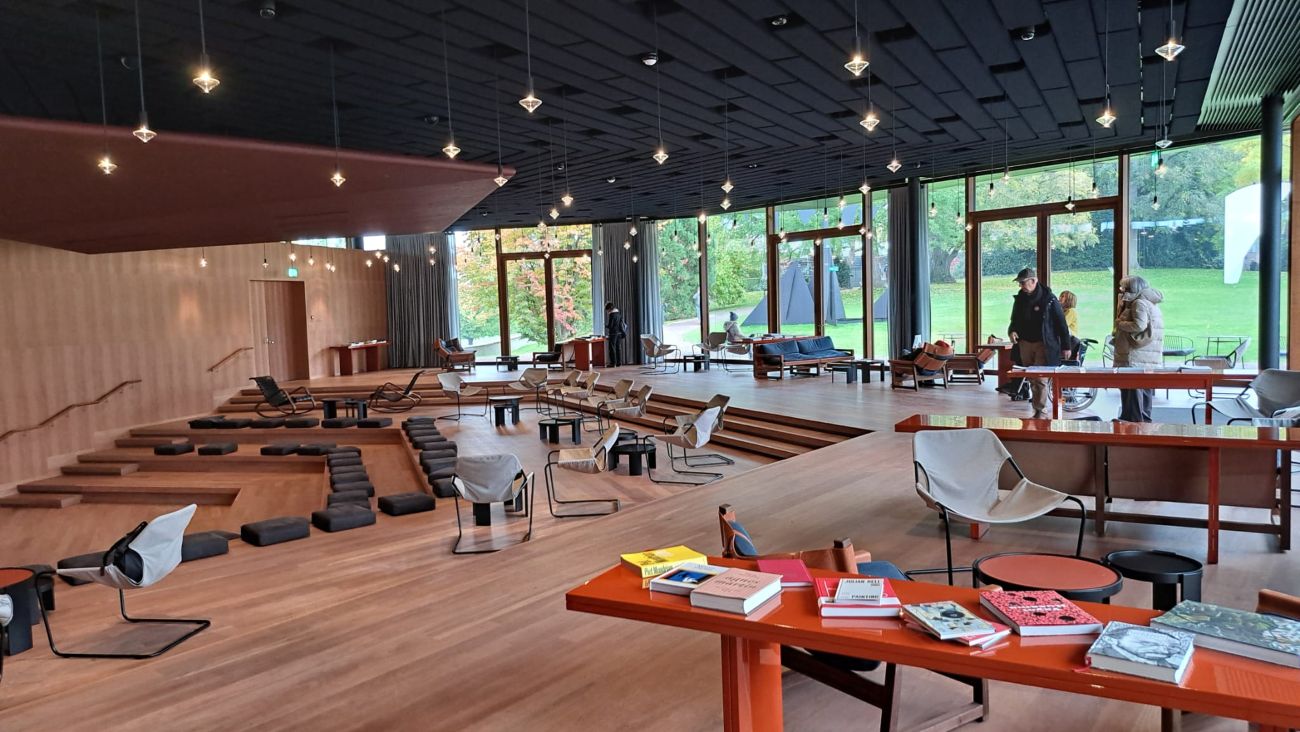
The Ammann Pavillon
With the expansion, the historic landscape garden also becomes publicly accessible. Existing and new works are added here, including works by. The expansion also doubles both the park landscape of the Fondation Beyeler.
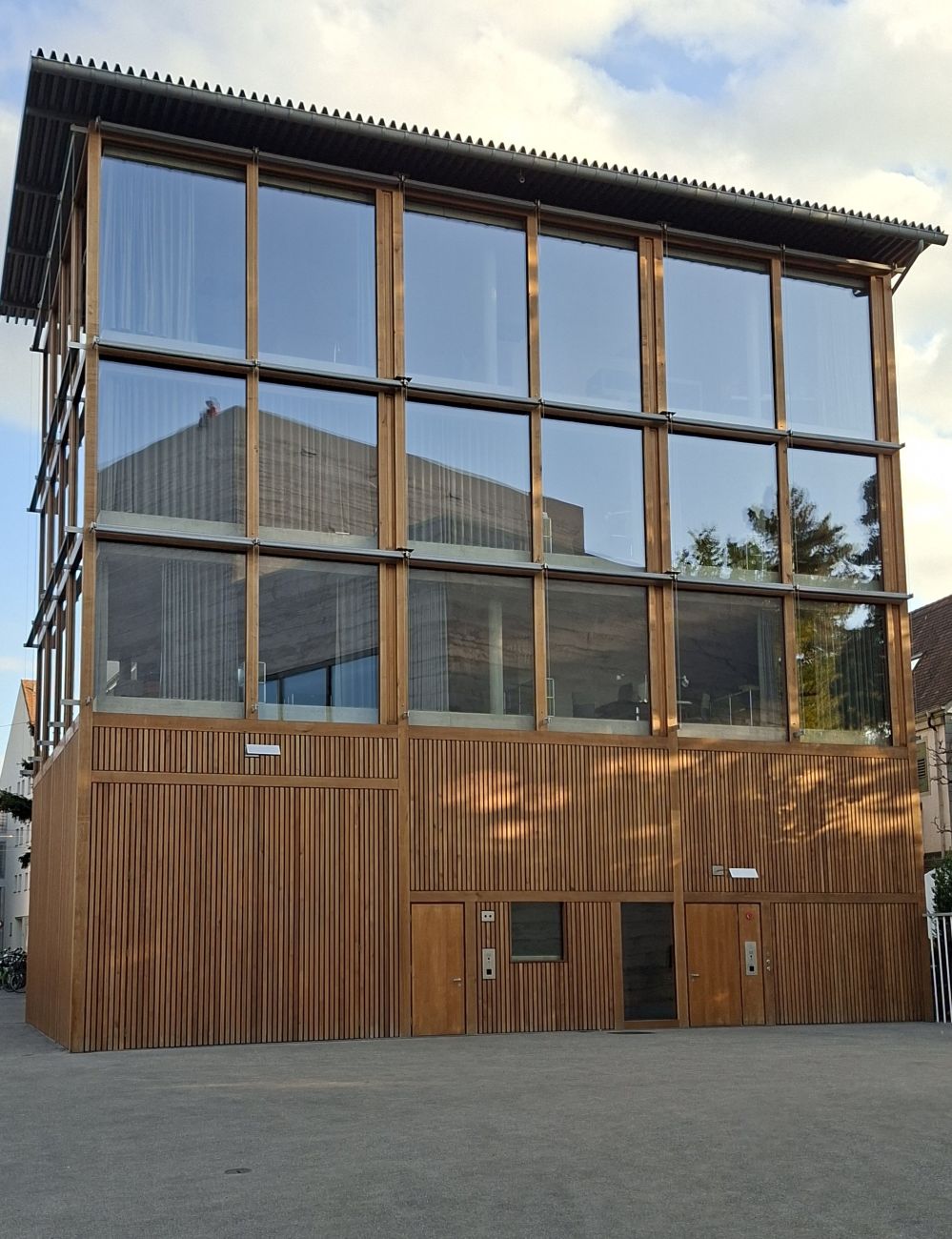
The Erlen Torhaus
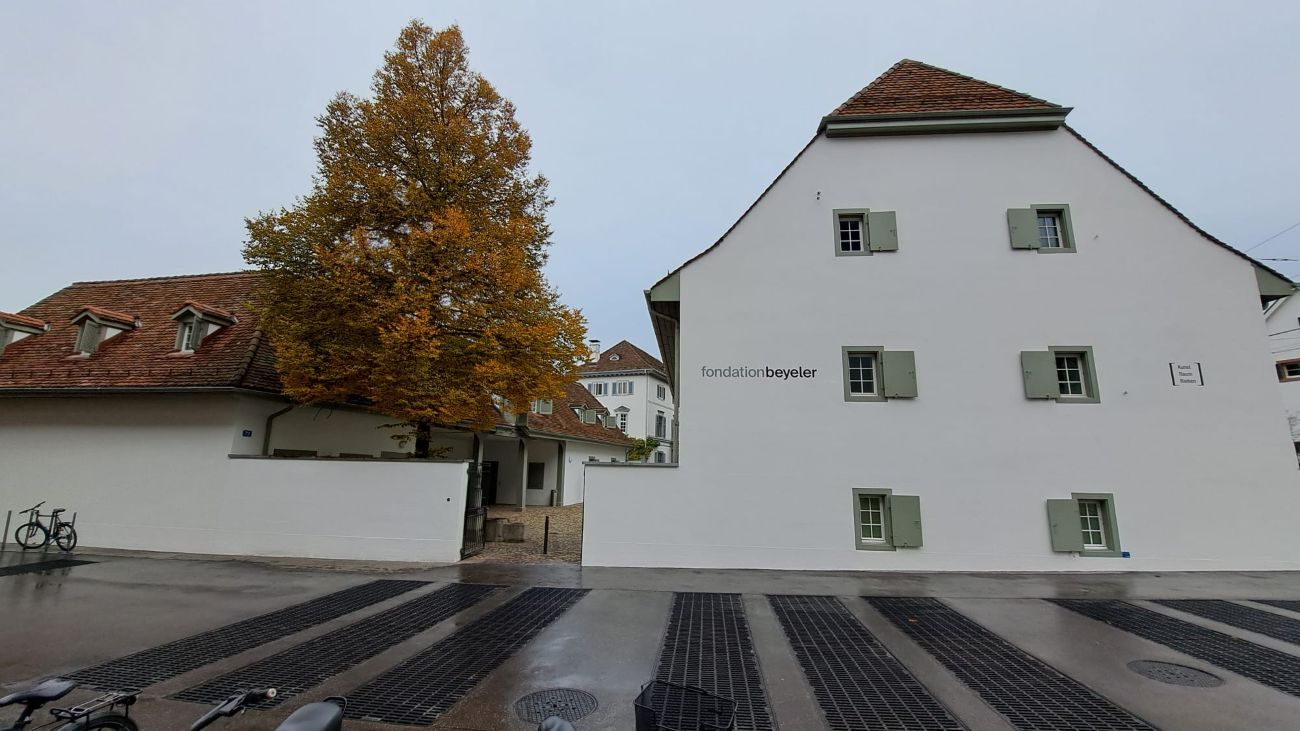
The historic buildings
The historic buildings are also part of the new ensemble. The Villa still houses the restaurant, with a newly designed fireplace room and an extended terrace overlooking the park.
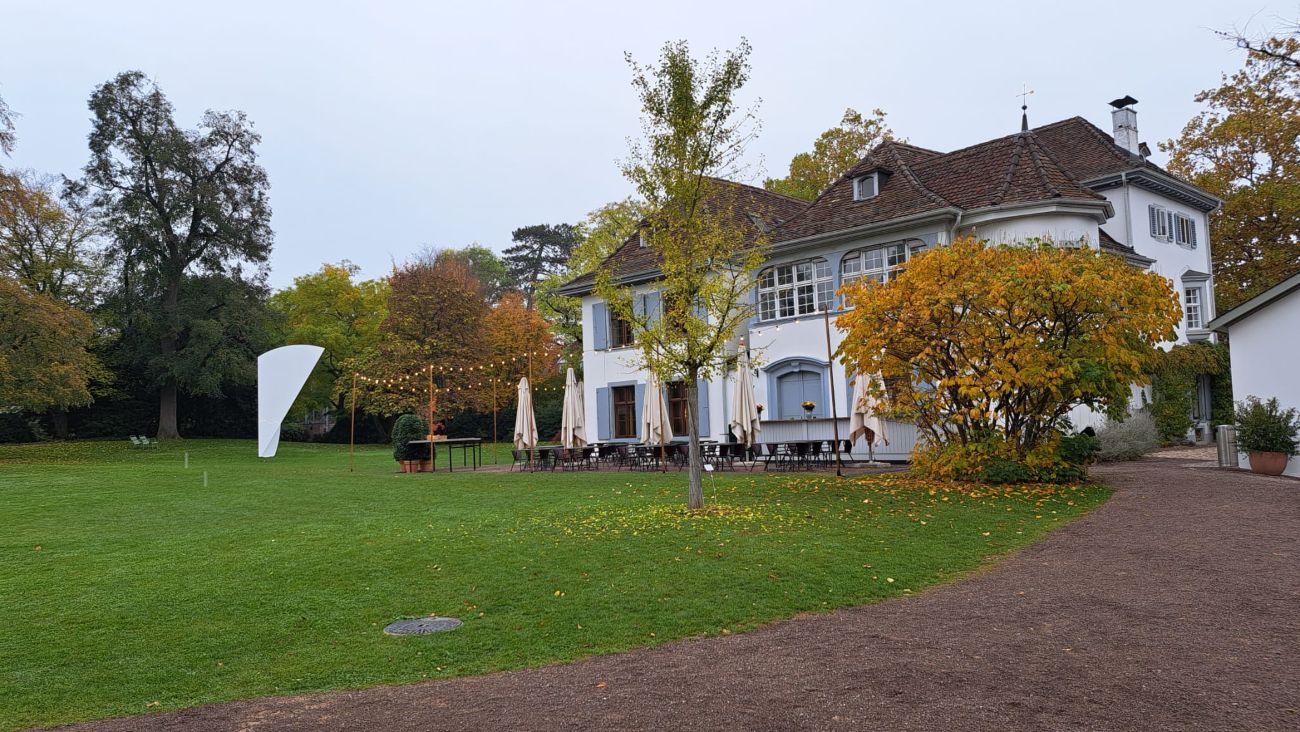
The Villa
In the Ammann Atelier, new spaces for workshops and school programmes on art education have been created.
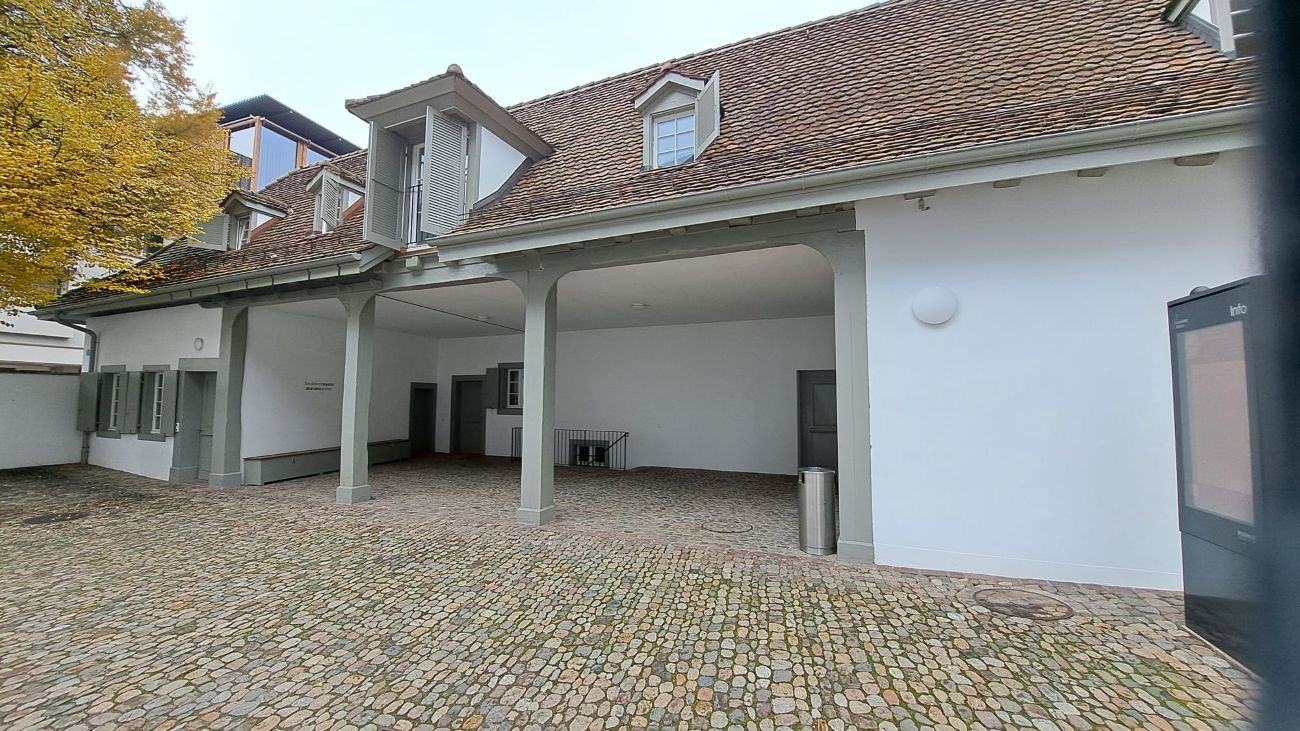
The Ammann Atelier
India Mahdavi transformed the historic Orangerie into a greenhouse for botanical experiments in cooperation with gardeners, scientists, and artists. It also houses a shop offering plants, pots, utensils, and books on the art of gardening. The gazebo in the park serves as a viewpoint during the day, and on summer evenings it hosts open-air concerts.
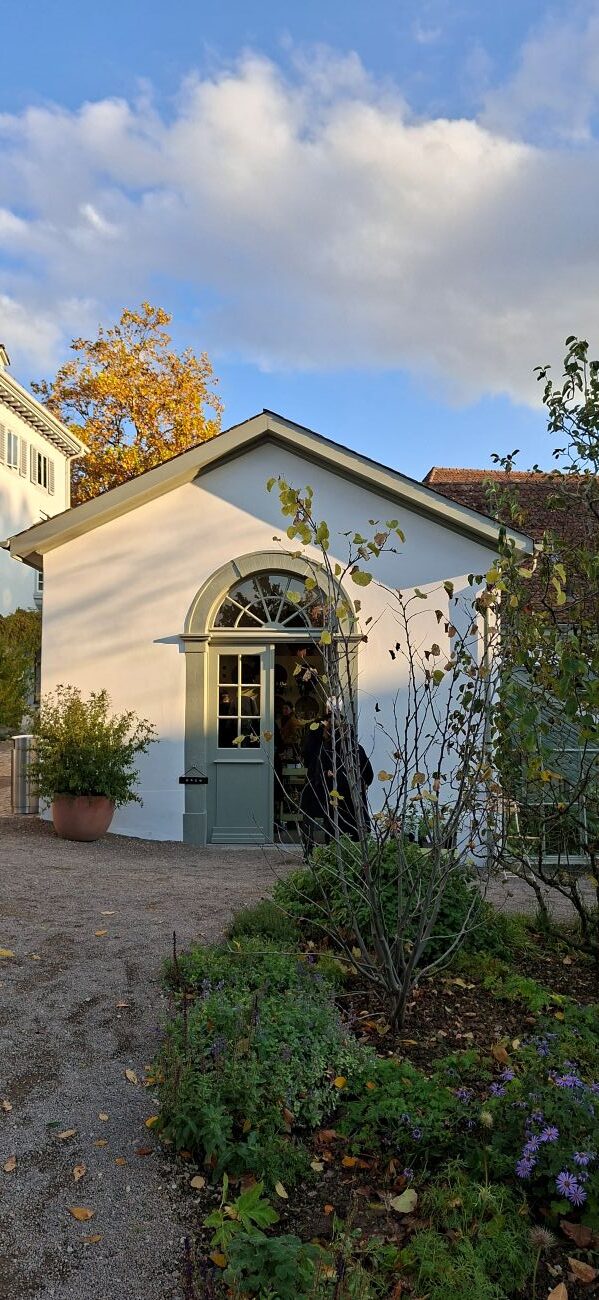
The Orangerie
Conclusion
One might also ask whether nature does not surpass human art at the Fondation. The Impressionists and their followers often expressed their interpretation of nature whilst in the midst of nature itself. Nature, in all its facets, evolution and development, is, however, the unrivalled work of art on this planet to date.
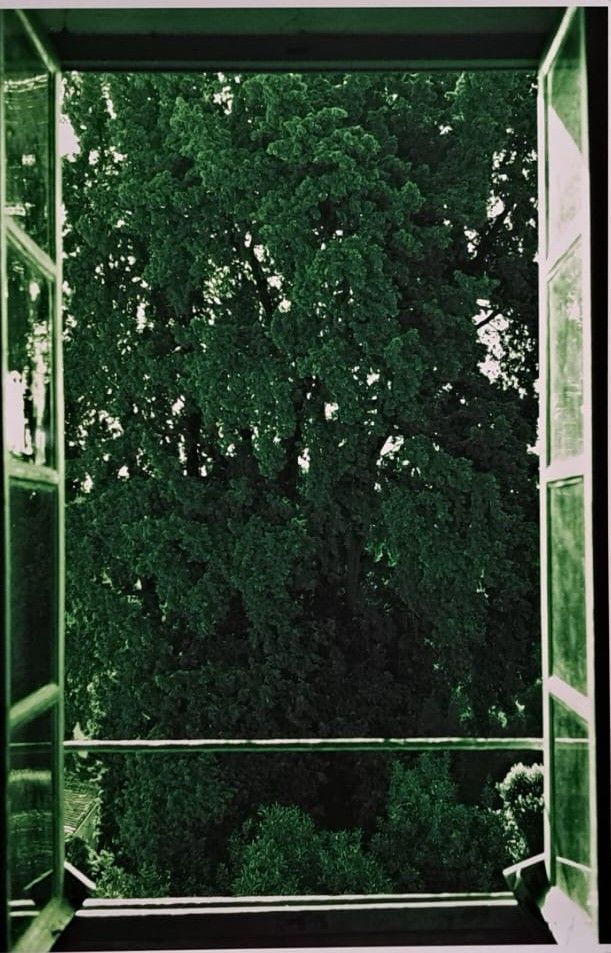
Wolfgang Tillmans, Tree filling window, 2002. Sammlung: Fondation Beyeler
The Fondation has, however, given the finest human art a place within and amongst this work of art. That in itself is already an unrivalled work of art. A few kilometres further on, the Vitra Design Museum also gives nature its due in another field of human art.
(Quelle und weitere Informationen: Fondation Beyeler)